Health
VETERINARY COUNCIL SEEKS MORE FUNDING, STAFF AND VACCINES TO END RABIES IN NIGERIA
Nigeria’s efforts to eliminate rabies by 2030 are facing challenges linked to inadequate funding, shortage of veterinary personnel, limited facilities...
By Wavers Multimedia
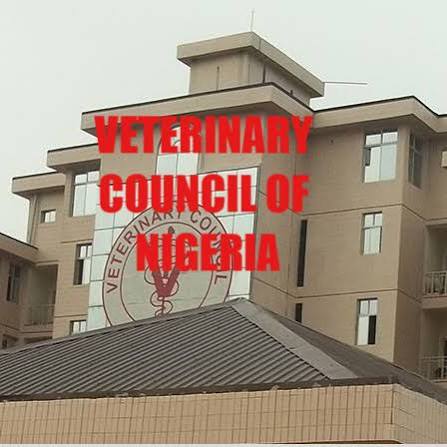
The council made the disclosure as Nigeria joins other countries in marking World Rabies Day, observed annually on September 28. The theme for this year’s observance is “Stronger Together.”
COUNCIL CALLS FOR MORE RESOURCES
The Acting Registrar of the Veterinary Council of Nigeria, Dr Oladokun Fadipe, said greater government investment is needed to support nationwide vaccination of dogs.
He said achieving widespread vaccination would require sufficient personnel to reach dog owners across the country and provide the necessary veterinary services.
Fadipe explained that once mass vaccination is achieved, dog owners would subsequently be expected to present their animals for routine vaccination, with sanctions potentially imposed on those who fail to comply.
SHORTAGE OF VETERINARY PERSONNEL
The council also raised concerns about the number of veterinary professionals available to support the country’s rabies eradication efforts.
Fadipe said only about 12,700 veterinarians are registered in Nigeria, while registered para-veterinarians number fewer than 10,000, compared with an estimated requirement of about 50,000.
He noted that only a small proportion of veterinarians work in government service, with many others in private practice or outside the country.
According to him, the number of personnel currently available in public service is inadequate to meet the country’s 2030 rabies eradication target and respond effectively to people who may be bitten by rabid dogs.
VACCINE SUPPLY REMAINS A CHALLENGE
The council also identified inadequate facilities and vaccine availability as obstacles to the national campaign.
Fadipe said the National Veterinary Research Institute in Vom, which is responsible for vaccine production, does not currently have enough capacity to meet national demand.
As a result, Nigeria relies partly on imported vaccines to make up the shortfall.
He called for increased investment in the institute’s production capacity so that sufficient vaccines can be made available across the country.
STRONGER COLLABORATION NEEDED
Fadipe also identified inadequate collaboration among relevant stakeholders as one of the challenges affecting efforts to eliminate rabies.
He said government recruitment should be expanded, while private veterinary practitioners could also be involved through public-private partnerships.
He explained that relying exclusively on government veterinary personnel would not provide enough manpower for nationwide vaccination efforts.
The council also called for improved facilities and greater cooperation among institutions and professionals involved in rabies prevention.
RESPONSIBLE DOG OWNERSHIP URGED
Fadipe urged dog owners to take advantage of opportunities for free vaccination whenever they are provided.
He also called for continued public education and media advocacy to improve awareness about rabies prevention and responsible dog ownership.
He said stakeholders involved in livestock and veterinary services, including relevant government departments, should work together rather than operating separately.
The council said sustained collaboration, adequate resources, increased manpower and improved vaccine availability would be important to achieving the country’s goal of eliminating rabies.