Health
Hot Baths Gain Attention as Researchers Investigate Their Potential Benefits for Heart Health and Blood Circulation
As saunas and wellness facilities continue to attract people seeking ways to improve their health and reduce stress, researchers are examining the pot...
By Wavers News
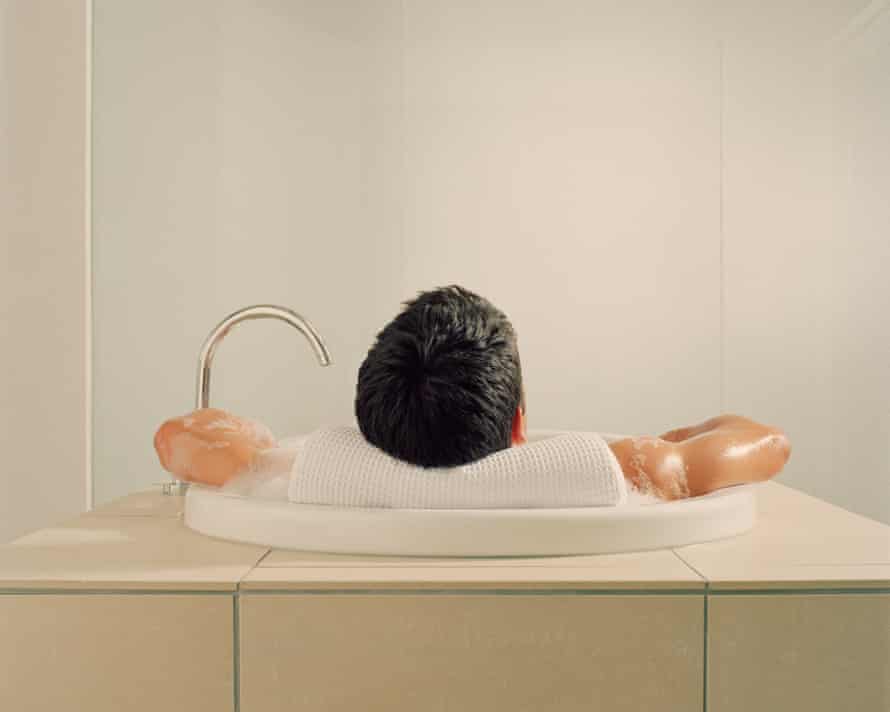
Bathing can lower blood pressure and boost the immune system, according to research from the University of Oregon. Photograph: Posed by model; Chris Windsor/Getty Images
Scientific studies have linked regular hot-water immersion to improvements in blood circulation and cardiovascular health, with some research suggesting that its effects may overlap with certain benefits of aerobic exercise.
The growing interest in bathing comes as researchers at Manchester Metropolitan University in the United Kingdom investigate whether regular exposure to hot water could help people living with peripheral artery disease (PAD), a condition that restricts blood flow, particularly to the legs.
The research, supported by the British Heart Foundation, is exploring whether heat therapy could provide an additional way to manage symptoms and improve mobility among people affected by the condition.
RESEARCHERS INVESTIGATE HOT-WATER THERAPY
Peripheral artery disease develops when arteries become narrowed by a build-up of fatty deposits, reducing the amount of blood reaching parts of the body. It commonly affects the legs and can cause pain when walking, sometimes after covering relatively short distances.
People living with the condition are often encouraged to exercise to improve circulation, but the pain associated with PAD can make physical activity difficult.
The Manchester-based research project, known as HEATPAD, is examining whether regular immersion in hot water could offer some similar benefits.
The study aims to recruit 70 participants with the condition. Volunteers attend hot-tub sessions three times a week for eight weeks, with the water maintained at approximately 40 degrees Celsius.
Participants are immersed up to their shoulders for an average of about 40 minutes while researchers monitor their responses.
The research is led by Professor Amy Harwood of Manchester Metropolitan University's Institute of Sport, with Dr Tom Cullen from the University of Hull serving as co-supervisor.
Scientists are assessing changes in walking ability, leg pain, foot discomfort and other symptoms associated with poor circulation.
They are also examining whether participants experience improvements in everyday activities, independence and overall quality of life.
75-YEAR-OLD PARTICIPANT REPORTS IMPROVED MOBILITY
One participant, Ken Heywood, a 75-year-old retired engineering manager from Stockport, has described improvements in his mobility after taking part in the heat-therapy programme.
Heywood was diagnosed with peripheral artery disease when he was 38. His symptoms became significantly worse in recent years, leaving him unable to walk long distances without stopping because of pain in his legs.
Before joining the heat-therapy trial, he had undergone physiotherapy and participated in an exercise programme designed to improve his condition.
He subsequently joined the research project with a personal goal of climbing a steep hill in a nearby park that had become difficult for him to manage.
Following the treatment programme, he successfully reached the top of Vernon Park hill in August and climbed approximately 60 steps running alongside it.
Heywood said his blood pressure and walking ability had improved during the trial. He also reported that he continued experiencing positive results after returning to regular bathing at home.
He now takes approximately three baths a week alongside physiotherapy and exercise.
Although his experience is encouraging, researchers are still investigating the treatment's effectiveness across a larger group of people with the condition.
HOW HOT WATER MAY IMPROVE CIRCULATION
Researchers explain that exposure to hot water raises the body's core temperature, prompting blood vessels to expand as the body attempts to release excess heat through the skin.
This process increases blood flow towards the surface of the body and may improve circulation.
For people with peripheral artery disease, the researchers are investigating whether this response can help deliver more oxygen-rich blood to the muscles in the legs, potentially reducing discomfort and improving walking ability.
William Carey, one of the academics involved in the research, explained that the circulation response could be particularly useful for people whose bodies struggle to supply sufficient blood to their lower limbs.
The potential benefits may also extend to cardiovascular health more generally, although further research is needed to establish the extent of those effects.
The British Heart Foundation has also highlighted earlier research suggesting that regular heat exposure may support heart health and improve blood flow.
BATHING AND ITS LONG HISTORY IN HEALTHCARE
The use of bathing for relaxation and physical wellbeing dates back thousands of years, with ancient Greek and Roman societies placing considerable importance on public baths and water-based treatments.
In earlier medical practice, physicians relied on a theory known as humourism, which attributed illness to imbalances among four bodily fluids: blood, phlegm, yellow bile and black bile.
Under this belief, the fluids were associated with qualities such as heat, coldness, dryness and moisture. Hot baths were sometimes prescribed to restore the body's supposed balance and treat conditions ranging from arthritis to cataracts.
The discovery of microbes and advances in medical science eventually disproved humourism.
Bathing nevertheless retained a place in some areas of healthcare, particularly in the management of certain physical conditions and rehabilitation.
Modern hospitals continue to operate hydrotherapy facilities, where immersion in water is used to support rehabilitation for people with neuromuscular disorders and other conditions.
THE MENTAL HEALTH BENEFITS OF TAKING A BATH
Beyond its possible physical benefits, bathing can also provide an opportunity to relax and temporarily disconnect from everyday responsibilities.
Grace Booth, a working mother who shares themed bathing experiences on Instagram and TikTok under the username gracebooth97, takes a bath four or five times a week.
She explained that bathing gives her time away from the pressure to remain productive throughout the day.
Her husband sometimes creates themed bathing experiences, decorating the bathroom with items such as egg-shaped candles during Easter.
Booth said the routine helps her feel rested and emotionally refreshed, describing it as a deliberate period of relaxation in an otherwise busy schedule.
Heywood has also come to appreciate the mental benefits of bathing, saying that the opportunity to lie back and relax has become an important part of his routine.
EXPERTS WARN AGAINST REPLACING MEDICAL ADVICE WITH HOT BATHS
Despite the encouraging findings, researchers have cautioned that hot baths are not a replacement for prescribed treatment or regular exercise.
The HEATPAD project is still investigating whether heat therapy can consistently improve symptoms of peripheral artery disease. Its findings will be needed before researchers can establish how effective the approach may be.
Prolonged exposure to hot water can also cause blood pressure to fall, potentially resulting in dizziness or fainting.
The British Heart Foundation advises people with cardiovascular conditions, particularly those with unstable blood pressure, angina or heart rhythm problems, to consult their doctor or cardiac nurse before using very hot baths or hot tubs.
Researchers are continuing to assess both the potential benefits and possible risks as the study progresses.
The growing interest in bathing highlights the importance of understanding how simple everyday activities can support physical wellbeing, cardiovascular health and relaxation.