United States
Vance Blames Iran War for Republican Midterm Defeat, Says Trump Supporters Switched to Democrats
United States Vice President JD Vance has identified the war with Iran as the principal reason behind the Republican Party's heavy losses in the Novem...
By Wavers News
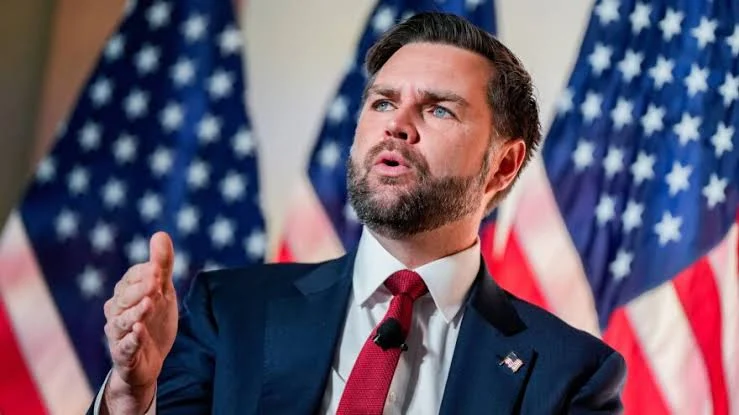
US Vice President JD Vance
In a lengthy statement published on his X account on Wednesday, November 4, Vance rejected the suggestion that poor Republican voter turnout was responsible for the defeat. Instead, he said the party lost support among people who had previously backed the Trump-Vance ticket but became dissatisfied with the administration's decisions.
His comments came after Democrats secured control of both the House of Representatives and the Senate, delivering a major electoral setback to Trump's administration.
Vance acknowledged that the results exposed serious weaknesses in the Republican Party's political strategy, particularly its handling of the conflict with Iran and economic concerns affecting American households.
VANCE SAYS REPUBLICAN SUPPORTERS TURNED AGAINST THE PARTY
Explaining the election outcome, Vance said Republican campaign analysts had closely monitored voter turnout and the political composition of the electorate before election day.
He noted that initial figures from several states had suggested that Republican supporters were participating in significant numbers, giving the party reasons to remain optimistic despite unfavourable opinion polls.
Florida was one example he highlighted, saying the electorate was nine percentage points more Republican than Democratic, only slightly below the party's advantage in the 2024 presidential election.
Vance said the problem was not that Republican supporters stayed away from polling stations, but that a significant number of previous Trump voters changed their political allegiance.
He explained that one of the administration's pollsters had warned him before the election that many people who supported Trump in 2024 were angry with the direction of the country and considering voting for Democrats.
The vice president said that warning had proved accurate.
According to Vance, the Republican Party failed to retain the support of some voters who had helped return Trump to the White House two years earlier.
IRAN WAR EMERGES AS CENTRAL REASON FOR REPUBLICAN LOSSES
Vance placed the administration's military campaign against Iran at the centre of his explanation for the election defeat.
He said conversations with political analysts and pollsters revealed four major concerns among former Republican supporters who switched sides.
These included ending the war, addressing the rising cost of living and inflation, prioritising American interests in foreign policy and reconsidering the country's relationship with Israel.
He argued that the administration had failed to respond adequately to these concerns, allowing dissatisfaction to grow among voters who had previously supported its political agenda.
"The reason we lost is the war. The president himself said so last night," Vance wrote.
He also acknowledged that the Republican Party's economic communication had not been effective enough during the closing stages of the campaign.
The vice president's comments represent a particularly direct assessment of the political consequences of the conflict, especially as Trump has continued to defend the decision to launch military action against Iran.
TRUMP DEFENDS THE MILITARY CAMPAIGN
Trump has acknowledged that the Iran war contributed to the Republican Party's electoral losses, particularly through its impact on fuel prices and the wider economy.
The president has also maintained that the decision to launch the military campaign was justified.
In an interview with The Wall Street Journal following the election, Trump said he believed he had made the right decision and would have taken the same action again.
His position contrasts with Vance's more critical assessment, which questions whether the political and economic consequences of the conflict were worth the cost.
The disagreement has drawn attention because Vance has previously advocated restraint in overseas military interventions and was less vocal in defending the Iran campaign after it began.
Before the election, he had also been involved in diplomatic efforts aimed at bringing the fighting to an end.
VANCE DEFENDS CALL FOR DIPLOMATIC SOLUTION
The vice president also defended television personality Rachel Campos-Duffy, whose earlier position favouring a diplomatic resolution to the conflict had attracted criticism.
Vance said the advice to pursue an end to the fighting through diplomacy had been sound, particularly in light of the election results.
He criticised Republican establishment figures who might attempt to explain the party's losses by focusing on other political issues while ignoring dissatisfaction over the war.
His remarks indicate growing pressure within the Republican Party to reassess its foreign policy decisions and understand why some traditional supporters turned against its candidates.
IMMIGRATION POLICY ALSO FACES QUESTIONS
Vance further addressed the administration's immigration enforcement approach, suggesting that certain aspects could be reconsidered.
He said he was open to changing enforcement priorities by placing greater attention on businesses that employ undocumented workers.
The proposal suggests a possible shift in how immigration laws are enforced, although Vance maintained his opposition to granting amnesty to people living in the United States unlawfully.
He warned against politicians advocating such an approach, insisting that they were misleading the public.
His comments came as Republicans began examining the wider reasons behind their electoral setback and considering how to rebuild support among voters.
VANCE SAYS REPUBLICANS MUST REBUILD AFTER DEFEAT
Despite his criticism of the party's handling of the Iran conflict, Vance urged Republican supporters not to abandon their political objectives following the election.
He encouraged disappointed voters to direct their frustration towards rebuilding the party and supporting candidates who share their priorities.
The vice president also challenged those who believe the military campaign was worth the political consequences to defend that position openly.
He specifically referred to the possibility of Republicans losing control of the Senate for the next six years, arguing that supporters of the war should explain whether they considered that outcome an acceptable price.
His statement comes at a critical moment for the Republican Party, which must now prepare to operate as the minority in both chambers of Congress.
With Democrats controlling the House and Senate, Trump's administration is expected to face stronger congressional scrutiny and greater resistance to parts of its legislative agenda.
Vance's assessment has also placed the Iran war, economic pressures and America's relationship with Israel at the centre of the Republican Party's post-election debate.