World News
US Troops Leave Iraq as Powerful Militias Refuse to Give Up Their Weapons
The United States is preparing to complete its military withdrawal from Iraq by September 30, bringing an end to a decades-long U.S. military presence...
By Wavers News
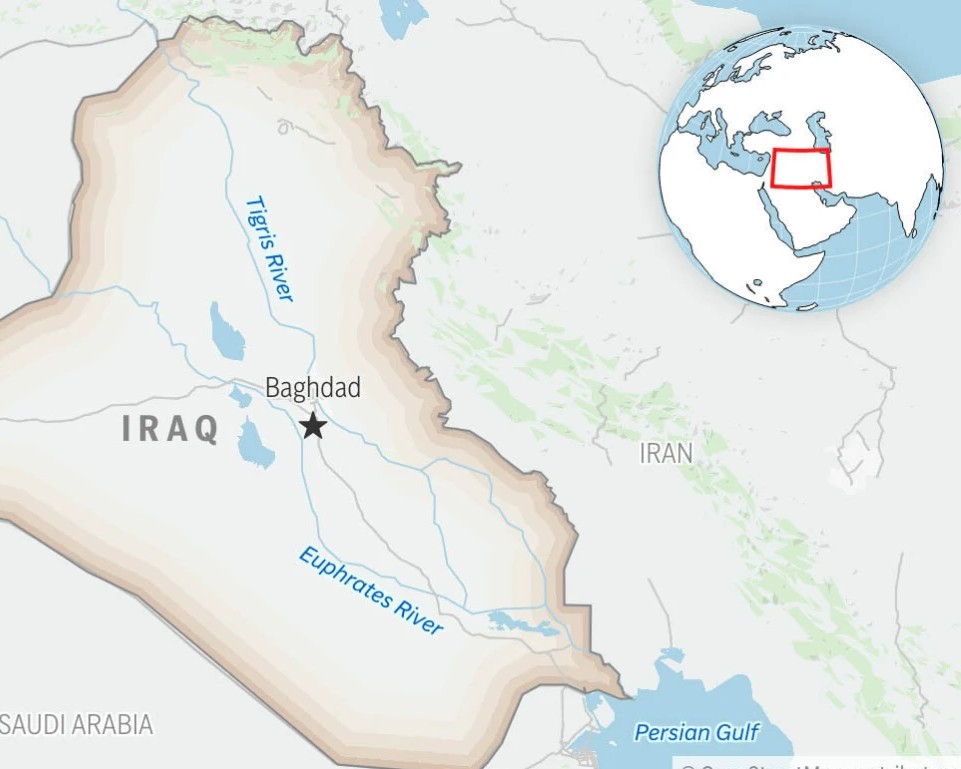
The withdrawal is taking place as Iraq's government continues efforts to bring armed groups under greater state control. However, some of the country's most powerful Iran-aligned militias have rejected calls to give up their weapons.
US MILITARY PRESENCE SET TO END
The United States is scheduled to complete its military withdrawal from Iraq by September 30, 2026.
The move follows an agreement between Washington and Baghdad to end the U.S.-led coalition's military mission against the Islamic State group and transfer greater responsibility for security to Iraqi forces.
The American military presence in Iraq dates back to the 2003 U.S.-led invasion. Although the large-scale combat presence ended years ago, U.S. troops returned in 2014 after the Islamic State group seized large areas of Iraq and Syria.
The U.S. and its partners later helped Iraqi forces defeat the group's territorial control.
MILITIAS RESIST CALLS TO DISARM
The withdrawal comes as Iraq faces a separate challenge involving powerful armed factions with close ties to Iran.
Groups including Kataib Hezbollah and Harakat al-Nujaba have resisted demands to surrender their weapons.
The Iraqi government wants armed groups to operate under the authority of the state, but some factions argue that they should retain their weapons because of continuing security threats and regional tensions.
Several militia groups have also demanded the complete withdrawal of foreign forces and changes to Iraq's security arrangements before considering restrictions on their weapons.
SEPTEMBER 30 IS PRIMARILY THE US WITHDRAWAL DATE
Although the end of September has been closely linked to Iraq's militia disarmament efforts, Iraqi officials have clarified that September 30 is the deadline for the departure of the U.S.-led coalition.
Discussions over restricting militia weapons and bringing armed factions more firmly under state control are expected to continue beyond that date.
This distinction is important because the U.S. withdrawal does not automatically mean that all Iraqi militias will immediately surrender their weapons.
IRAQ FACES A NEW SECURITY ENVIRONMENT
With U.S. forces leaving, Iraqi security forces will assume greater responsibility for protecting the country and responding to threats.
The changing security environment has also raised concerns in Iraq's semi-autonomous Kurdish region, where officials have worried about losing some U.S. air-defense and military support.
Baghdad is seeking new air-defense capabilities from countries including South Korea, Turkey and the United States as it prepares for the post-withdrawal period.
ISLAMIC STATE THREAT HAS DECLINED
The Islamic State no longer controls the large territories it once held in Iraq, and its ability to operate openly has been significantly reduced.
However, the group remains a security concern, while the presence of heavily armed militias creates another layer of complexity for the Iraqi government.
The government must now balance the need to maintain national security with its efforts to ensure that weapons and military power remain under state authority.
WHAT HAPPENS AFTER THE US WITHDRAWAL?
The end of the U.S. military presence will mark a major change in Iraq's security landscape.
Prime Minister Ali al-Zaidi's government faces the difficult task of strengthening Iraq's armed forces while managing powerful political and military factions that have their own regional alliances.
For Iraq, the coming months could determine how effectively Baghdad can consolidate control over armed groups and prevent the country from becoming further entangled in wider Middle Eastern conflicts.