World News
UN Peacekeepers Warn of Challenges as Lebanon Withdrawal Nears
The United Nations peacekeeping mission in Lebanon is preparing for a major transition as its mandate approaches its scheduled end, but its commander ...
By Patience
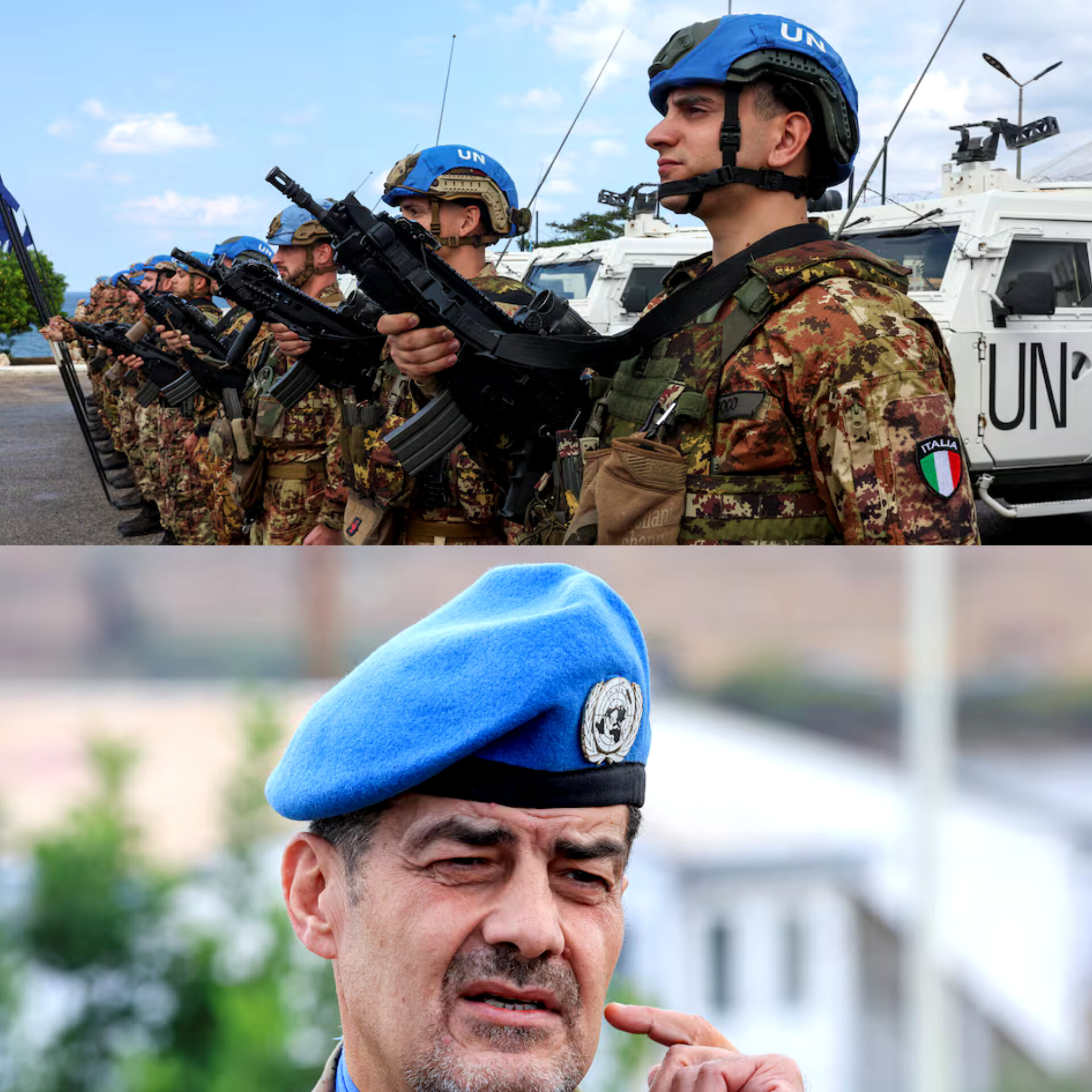
Major General Diodato Abagnara, commander of the United Nations Interim Force in Lebanon (UNIFIL), told Reuters on Saturday that UN agencies and the Lebanese army need to be ready to take over responsibilities currently handled by the peacekeeping force before its withdrawal begins.
The Security Council has directed UNIFIL to begin an orderly drawdown from December 31, 2026, with the withdrawal to be completed within a year.
HANDOVER PLANS ALREADY UNDERWAY
Abagnara said UNIFIL is working with other United Nations bodies and the Lebanese military to prepare for the transition.
Part of that work involves ensuring humanitarian operations can continue and sharing information with Lebanese forces about sensitive areas in southern Lebanon.
UNIFIL has operated in the region for nearly five decades, monitoring hostilities and supporting efforts aimed at maintaining stability along the Israel-Lebanon border.
The commander said a smooth transfer of responsibilities would be important either to existing UN agencies or to any future international mission that could operate in the area.
SOME UNIFIL POSITIONS MAY BE DIFFICULT TO TRANSFER
One of the immediate challenges is the location of UNIFIL's existing positions.
Abagnara said more than half of the mission's posts are located in areas currently controlled by Israeli forces, making it potentially difficult for Lebanese troops to take over some of those positions.
The situation adds another complication to an already sensitive withdrawal process, particularly as the security situation in southern Lebanon remains unsettled.
HUMANITARIAN SUPPORT REMAINS A CONCERN
UNIFIL's role has also expanded during the latest conflict.
The force has been providing security escorts for humanitarian aid convoys travelling to a group of southern Lebanese communities that have become surrounded by Israeli troops.
With the mission scheduled to begin withdrawing later this year, questions remain over how such assistance and other security-related duties will be maintained.
Abagnara said UNIFIL is working with the UN country team to help ensure humanitarian assistance can continue after the transition.
LEBANESE ARMY EXPECTED TO PLAY GREATER ROLE
The withdrawal plan places greater responsibility on Lebanon's armed forces to assume security duties in the south.
UNIFIL is already sharing information with the Lebanese army about areas that may require particular attention.
The broader transition comes as Lebanon faces continuing security challenges involving Israeli forces and Hezbollah, while efforts to establish longer-term arrangements for southern Lebanon remain incomplete.
Recent discussions involving Lebanon, France and Jordan have also focused on strengthening support for the Lebanese military and considering international arrangements for the period after UNIFIL's mandate expires.
UNIFIL'S FUTURE REMAINS UNDER DISCUSSION
The UN Security Council's current decision provides for UNIFIL's mandate to end on December 31, 2026, followed by an orderly withdrawal.
However, there have been calls for continued international involvement in southern Lebanon, with France and Lebanon among those seeking arrangements that would prevent a security gap after the mission's departure.
For now, UNIFIL is focused on preparing for the transition while continuing its existing responsibilities.
Abagnara's warning highlights the central challenge facing the process: ensuring that the departure of a long-running peacekeeping mission does not leave essential security and humanitarian functions without a clear successor.