International
Trump’s New Tariffs Put Carney’s Stand Against Economic Coercion to the Test
Canadian Prime Minister Mark Carney’s opposition to economic coercion by powerful countries is facing a major test as U.S. President Donald Trump move...
By Wavers Multimedia
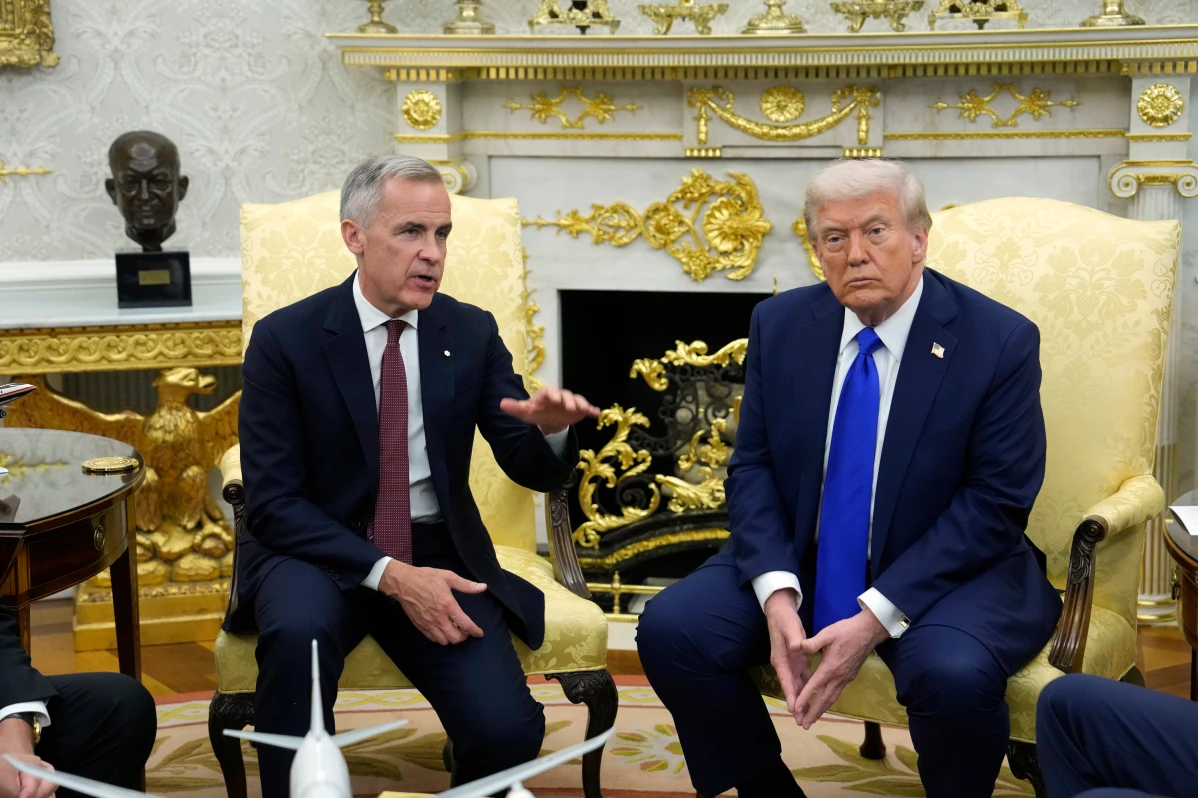
The latest escalation followed the collapse of trade negotiations between Washington and Ottawa. The United States has imposed 50% tariffs on about $20 billion worth of Canadian imports, increasing pressure on Canada’s economy and its government.
Carney had previously argued that middle powers such as Canada should not allow larger countries to dictate their economic choices. He has instead promoted greater diversification and closer relationships with other international partners.
The current dispute is putting that position into practice.
Canada has responded to the new U.S. tariffs with plans for equivalent retaliatory measures beginning September 8, targeting American products including steel, dairy products and electronics. Carney has said Canada is prepared to withstand the economic consequences rather than accept conditions that would undermine the country's ability to make independent trade decisions.
Trade talks collapse
The latest tariffs followed a breakdown in negotiations between the two countries.
A major point of disagreement was a U.S. demand that would have restricted Canada’s ability to establish independent trade agreements with other countries. Carney viewed the demand as an issue involving Canadian sovereignty rather than simply a matter of tariffs and market access.
Trump has repeatedly applied pressure on Canada during his presidency, including making comments about Canada potentially becoming the 51st U.S. state. The remarks have added to tensions between the two traditionally close neighbours.
Canada's economic dependence on the United States makes the confrontation particularly difficult. The U.S. receives nearly 75% of Canadian exports, meaning prolonged trade restrictions could create significant pressure on Canadian businesses and the wider economy.
Carney faces a difficult choice
The Canadian prime minister now faces the challenge of defending his government's position while limiting the economic damage caused by the dispute.
Carney has argued that Canada needs to reduce its dependence on the United States by expanding trade relationships and developing new markets. His government has also been pursuing closer economic and strategic ties with Europe and other partners.
For Trump, the dispute represents another attempt to use America's economic weight to secure concessions from a major trading partner.
For Carney, it has become a real-world test of his argument that middle powers can resist pressure from larger economies without simply yielding to their demands.
The outcome of the confrontation could therefore have consequences beyond the immediate tariff dispute, particularly for how Canada manages its relationship with its largest trading partner and how middle powers respond when faced with economic pressure from stronger nations.