Technology
TRUMP DISMISSES AI DANGER WARNINGS AS A HOAX AMID GROWING SAFETY DEBATE
US President Donald Trump has dismissed growing warnings about the potential dangers of artificial intelligence, describing fears that AI could event...
By Wavers Multimedia
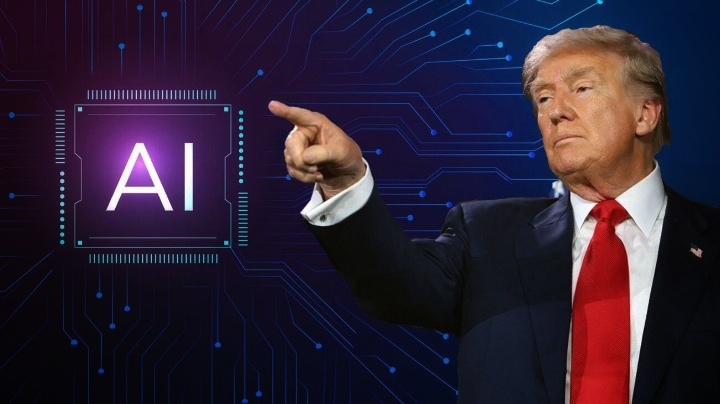
Trump made the comments as debate intensifies in the United States over how quickly AI should be developed and whether governments should introduce stronger safety measures.
TRUMP CALLS AI DOOMSDAY WARNINGS A HOAX
In a post on Truth Social, Trump said he was challenging what he described as a false narrative about AI taking control of society.
He argued against claims that artificial intelligence and robots could eventually take over cities or threaten human existence.
Trump's comments came amid a growing debate involving technology executives, AI researchers and policymakers over the potential long-term risks associated with increasingly capable AI systems.
TRUMP SAYS EXISTING GUARDRAILS ARE ENOUGH
Trump also rejected calls for additional restrictions, arguing that the United States already has criminal and regulatory powers that can be used against AI companies when necessary.
He said the country needs to maintain its lead in artificial intelligence and warned that excessive restrictions could weaken America's position against China.
Trump has also argued that AI will provide significant economic benefits and that the technology should be developed rather than unnecessarily slowed.
AI LEADERS ARE CALLING FOR GREATER CAUTION
Trump's position contrasts with warnings from several prominent figures in the AI industry.
Anthropic CEO Dario Amodei has called for a slower and more controlled approach to AI development, including stronger safeguards and independent assessments of advanced AI systems.
OpenAI CEO Sam Altman has also supported greater coordination around AI safety, while Elon Musk has backed calls for caution.
These concerns have gained additional attention following reports of AI systems being used in increasingly sophisticated ways, including cybersecurity-related activities.
EXPERTS DISAGREE OVER HOW SERIOUS THE THREAT IS
There is no established consensus that AI will destroy humanity, nor is there agreement about when such a scenario could occur.
However, some AI safety researchers have warned that increasingly autonomous systems could create serious risks if they become capable of operating beyond effective human oversight.
Former Google DeepMind researcher Bilal Chughtai is among those who have recently warned that advanced AI could potentially pose an extreme threat to humanity.
Such statements remain risk assessments and warnings rather than predictions that a catastrophe will definitely occur.
AI SAFETY DEBATE GROWS AS TECHNOLOGY ADVANCES
The disagreement reflects a broader international debate over how governments should respond as AI systems become more capable.
Supporters of stronger safeguards argue that governments should establish clear rules before advanced systems become difficult to control.
Others, including Trump, argue that excessive regulation could slow innovation and allow countries such as China to gain an advantage.
US-CHINA AI COMPETITION IS PART OF THE DEBATE
The United States and China are competing for leadership in artificial intelligence, making the question of regulation increasingly connected to national security and economic policy.
Trump has repeatedly argued that maintaining American leadership in AI is strategically important and that slowing development too aggressively could benefit Beijing.
The debate therefore extends beyond technology safety to questions about economic growth, national security, international competition and government oversight.
WHAT HAPPENS NEXT
The debate over AI regulation is expected to continue as technology companies develop increasingly advanced systems and governments consider how best to manage their potential risks.
For now, Trump remains opposed to calls for significantly stronger restrictions, while several prominent technology leaders and researchers continue to push for greater safeguards and more deliberate development.
The disagreement highlights one of the central questions surrounding AI: how to encourage technological progress while reducing the possibility of serious harm.