TRAVEL
THAILAND TIGHTENS VISA-FREE ENTRY, CUTTING STAYS FOR US, CANADA AND SOUTH AFRICA
Thailand has introduced tighter entry rules for foreign travellers, reducing the maximum visa-free stay for citizens of several major tourist markets ...
By Wavers Multimedia
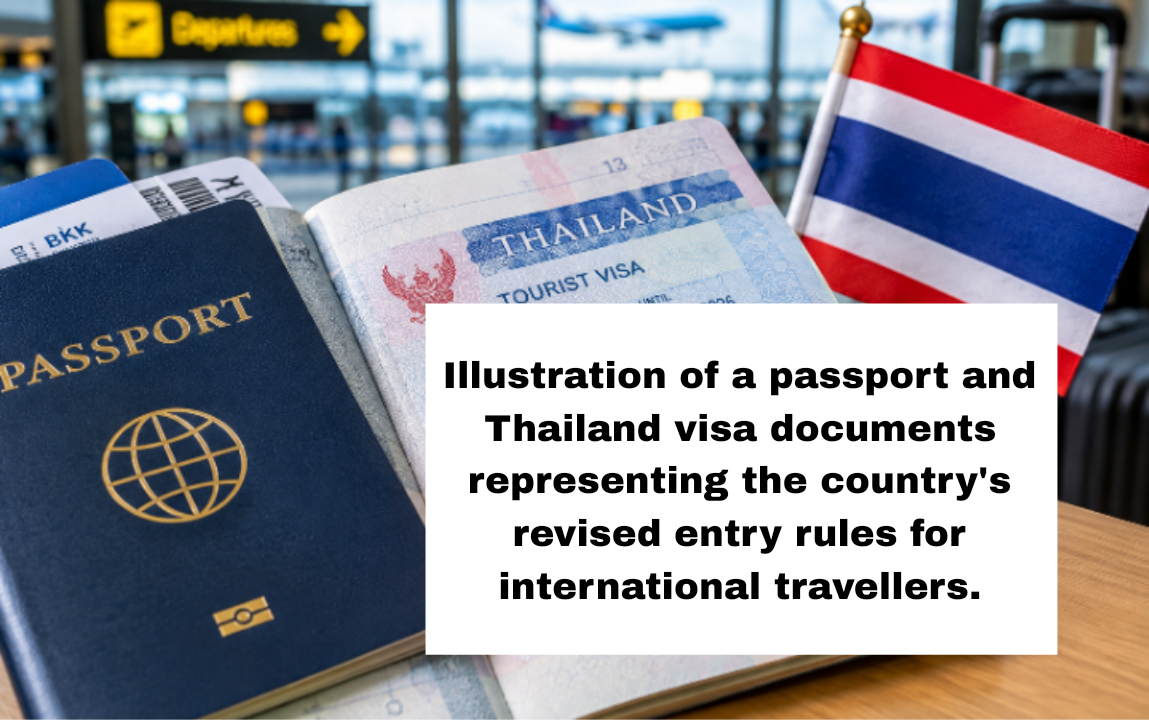
The revised rules took effect on September 15, 2026, replacing Thailand’s previous 60-day visa-exemption arrangement that covered 93 countries and territories.
The changes affect travellers from North America, Europe, Africa and other regions, while Bangkok remains one of the world’s leading international tourism destinations.
VISA-FREE STAYS CUT FROM 60 TO 30 DAYS
Under the new system, citizens of 60 countries and territories can enter Thailand without a visa for tourism for up to 30 days.
Travellers from the United States, United Kingdom, Australia and Canada remain eligible for visa-free entry, but their maximum stay has been reduced from 60 days to 30 days.
The revised arrangement also affects African travellers, with South African passport holders retaining visa-free access but now limited to a maximum of 30 days.
MAURITIUS MOVES TO 15-DAY VISA-FREE STAY
Mauritian travellers face a shorter visa-free period under the new rules.
Thailand has placed Mauritius in a 15-day visa-exemption category. Seychelles has also been assigned a 15-day visa-free arrangement under the revised framework.
This represents a significant reduction from the previous 60-day arrangement available to Mauritian passport holders.
MOROCCANS NOW NEED A VISA
Morocco is among 21 countries whose citizens have lost access to Thailand's visa-exemption scheme.
Moroccan passport holders must now obtain a visa before travelling to Thailand for tourism. The other affected nationalities include countries such as Colombia, Cuba, Ecuador, Mexico, Panama, Sri Lanka, Uruguay and Uzbekistan.
VISA ON ARRIVAL ALSO RESTRICTED
Thailand has also sharply reduced the number of nationalities eligible for Visa on Arrival.
Under the new arrangement, only citizens of Azerbaijan, Belarus and Serbia qualify for the 15-day Visa on Arrival facility, compared with 31 countries and territories under the previous system.
The changes mean travellers who previously relied on Visa on Arrival may now need to secure the appropriate visa before departure.
WHY THAILAND CHANGED THE RULES
Thailand's Ministry of Foreign Affairs said the revised system takes into account national security, tourism, economic interests and reciprocal arrangements with other countries.
The government has also said the changes are intended to reduce overlapping visa privileges and make greater use of Thailand's expanded electronic visa system.
The changes follow concerns from Thai authorities about the misuse of tourist privileges, including illegal employment, nominee businesses and other activities unrelated to tourism.
IMPACT ON AFRICAN TRAVELLERS
African countries have relatively limited representation in Thailand's visa-exemption arrangements.
Before the latest changes, South Africa, Mauritius and Morocco were among the African countries whose citizens could enter Thailand under the broader 60-day visa-free system.
Under the revised rules, South Africans remain visa-exempt for up to 30 days, Mauritians receive up to 15 days, while Moroccan travellers must obtain a visa before travelling.
Travellers from other African countries should check Thailand's current visa requirements before making travel arrangements, as visa-free access is not available to most African nationalities.
BANGKOK REMAINS A MAJOR GLOBAL TOURISM HUB
The visa changes come as Thailand continues to attract large numbers of international visitors.
Bangkok received about 30.3 million international visitors in 2025, placing the Thai capital ahead of Hong Kong, London and Macau in Euromonitor International's ranking cited by Business Insider Africa.
The city remains a major gateway for travellers visiting Thailand's beaches, cultural attractions, shopping districts and other tourist destinations.
WHAT TRAVELLERS SHOULD KNOW
Travellers planning to visit Thailand should check the rules that apply to their nationality before booking flights.
The maximum visa-free stay now depends on the traveller's passport and the category assigned under Thailand's revised system.
Those who need a visa should complete the appropriate application before travelling rather than assuming that the previous 60-day arrangement still applies.
Thailand's new system therefore represents a significant restructuring of its visa-free travel policy, with shorter stays for many visitors and visa requirements returning for some nationalities.