Business
Tejumola Samuel Enters Entrepreneurship Immediately After University Graduation
At a time when university graduates face the decision of pursuing paid employment or building businesses of their own, Nigerian entrepreneur Odeyemi T...
By Patience
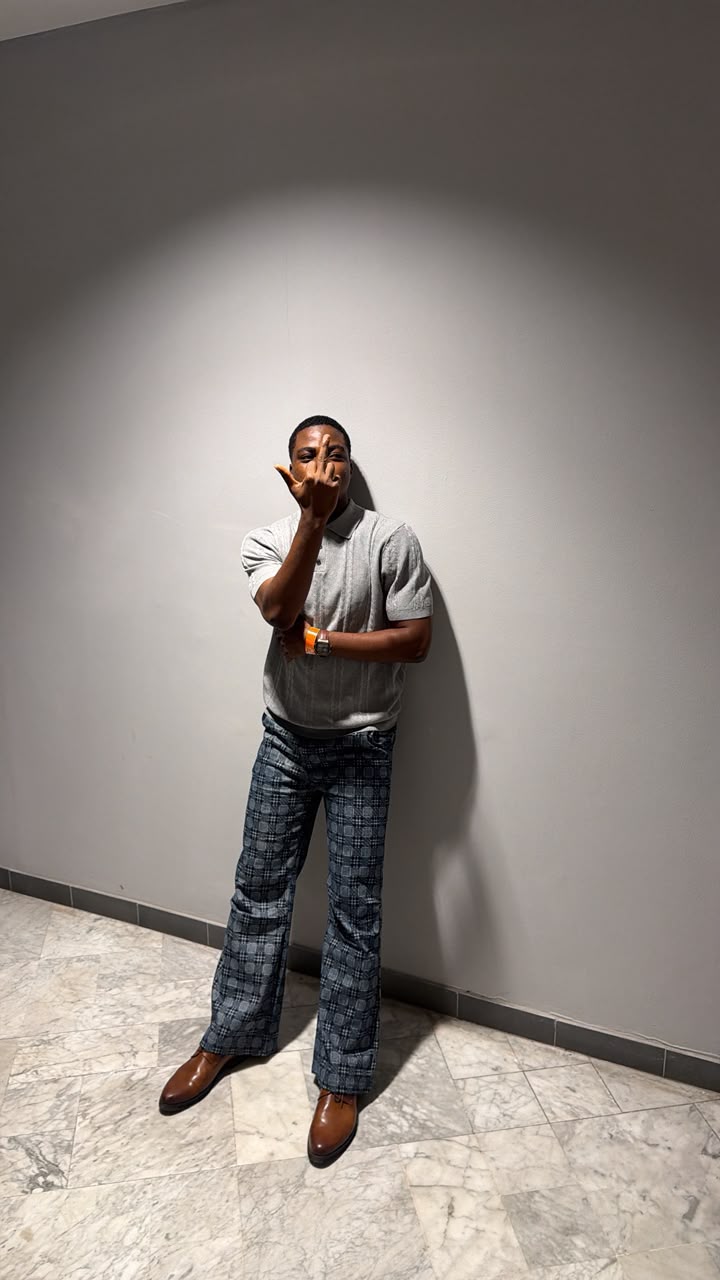
Samuel founded Still Striving Originals in the same year he graduated from the Federal University of Oye-Ekiti, moving directly from academic life into business ownership. The decision placed him in charge of developing a commercial venture while gaining the practical experience that traditionally comes through working in an established organisation.
His entry into entrepreneurship also meant taking responsibility for customer engagement, business decisions, resource management and the uncertainties associated with operating a new venture.
Samuel operates in the luxury and designer wristwatch trade, dealing in products from internationally recognised manufacturers. The segment requires retailers to understand differences in product specifications, sourcing, pricing and authenticity, while meeting the expectations of customers purchasing high-value items.
Starting in a specialised retail market presents its own challenges. Access to suppliers, the cost of acquiring inventory, currency fluctuations and competition can affect the ability of an independent business to operate profitably. Customer confidence is another important consideration, particularly where buyers expect reliable information about the watches being offered.
Samuel has described patience, consistency and calculated risk-taking as important to his approach. He also identifies setbacks and customer interactions as part of the learning process involved in managing a business.
His decision to become self-employed followed his education at Government College Ibadan and the Federal University of Oye-Ekiti. Born in Ibadan on July 26, 2005, he grew up in Oloko, Apata, and is originally from Obokun Local Government Area of Osun State.
He has also credited his Christian faith as an important source of personal strength and guidance.
However, the commercial outcome of his decision remains difficult to assess publicly. Figures relating to the business’s revenue, profit margins, employment capacity and customer base have not been disclosed. The extent of its operations and its contribution to employment are therefore not independently established.
Samuel’s experience raises a practical question for young graduates considering entrepreneurship: what does it take to move from academic qualifications to running a business without the financial structure, professional networks or experience that an established career may provide?
His 2024 decision offers one example of that transition, although the long-term sustainability of the enterprise will ultimately depend on its commercial performance and ability to compete in its chosen market.