International
Sudanese Activists and Rights Groups Oppose UAE Diplomat’s Bid to Become Next UN Secretary-General
The nomination of senior Emirati diplomat Lana Nusseibeh for the position of United Nations secretary-general has triggered strong opposition from Sud...
By Wavers News
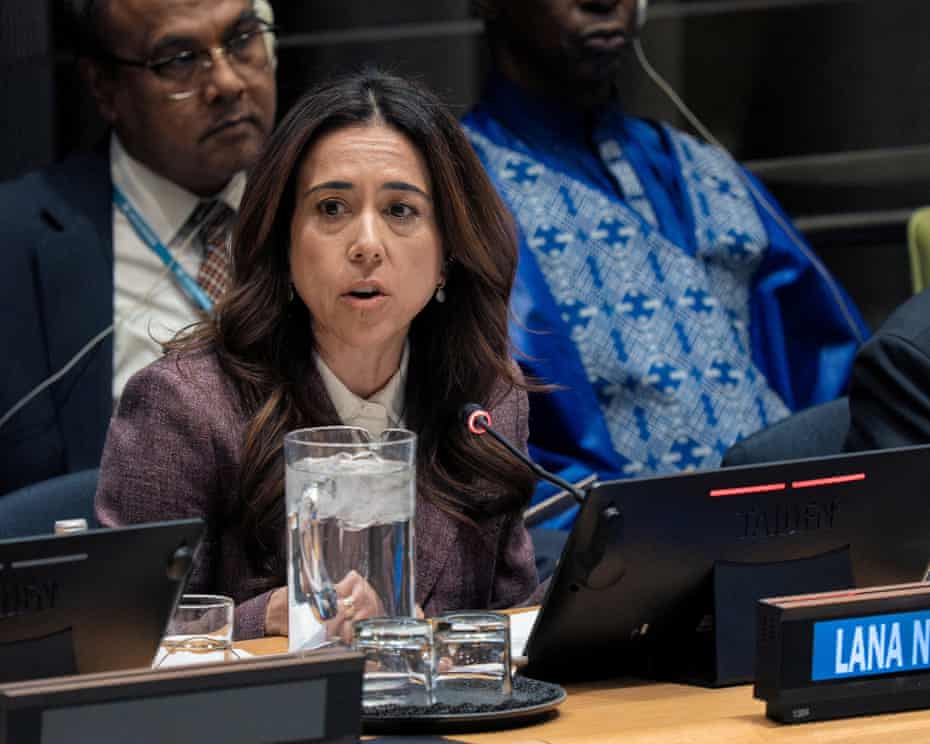
The United Arab Emirates nominated Nusseibeh last week to succeed António Guterres, whose second five-year term as UN secretary-general ends in 2026. Her entry into the contest has introduced a new dimension to an already complicated selection process, with critics arguing that her previous defence of the UAE government's position on Sudan raises serious questions about her suitability for the world's highest diplomatic office.
At the centre of the controversy are allegations that the UAE has provided military, logistical and other forms of assistance to Sudan's Rapid Support Forces (RSF), a powerful paramilitary group fighting the Sudanese Armed Forces since April 2023.
The RSF has been accused of widespread atrocities, including mass killings, sexual violence and other serious violations against civilians. Its October 2025 offensive in El Fasher, the capital of North Darfur, drew particular international condemnation after a United Nations fact-finding mission concluded that the attack displayed characteristics associated with genocide.
The UAE has repeatedly denied providing military support to the RSF. Nusseibeh, who previously served as the country's ambassador and permanent representative to the United Nations, has consistently defended that position.
SUDANESE ACTIVISTS QUESTION HER INDEPENDENCE
Hala al-Karib, a Sudanese pro-democracy and women's rights activist who directs the Strategic Initiative for Women in the Horn of Africa, argued that Nusseibeh had not demonstrated a record of acting independently from her government's position on Sudan.
Al-Karib warned that approving her candidacy could send a damaging message to survivors and communities affected by the violence in El Fasher.
Her concerns were echoed during a virtual briefing organised by the human rights advocacy group Avaaz, where Sudanese campaigners and international rights experts challenged the diplomat's suitability for the position.
Ibrahim Alduma, who grew up in El Fasher and co-founded the human rights organisation Sudan Action Hub, warned that Nusseibeh's possible appointment could further weaken public confidence in the United Nations.
He questioned how victims of conflict could continue to trust the organisation to defend their rights and pursue justice if its leadership came from a government accused of contributing to the violence they have endured.
Husam Mahjoub, a Sudanese advocate and co-founder of independent media organisation Sudan Bukra TV, also criticised the nomination.
He argued that placing a senior representative of the UAE at the head of the United Nations could undermine efforts to hold influential governments accountable at a time when Sudanese civilians urgently need international protection.
HUMAN RIGHTS WATCH RAISES CONCERNS
Kenneth Roth, former executive director of Human Rights Watch, also questioned Nusseibeh's handling of allegations concerning the UAE's relationship with the RSF.
Roth argued that her repeated rejection of claims about Emirati assistance to the paramilitary group, despite evidence presented in international investigations, raised concerns about her ability to lead an organisation responsible for investigating and responding to serious human rights violations.
Bruno Stagno Ugarte, chief advocacy officer at Human Rights Watch, had similarly criticised the diplomat's record.
He said her dismissal of findings contained in United Nations reports documenting alleged links between the UAE and the RSF had undermined efforts to secure justice and accountability for victims.
Human Rights Watch has previously published investigations examining alleged Emirati involvement in networks that supplied military assistance to the RSF. Its findings have included allegations involving the recruitment, financing and transportation of foreign military contractors who were deployed to support the paramilitary group.
The organisation has called on UN member states to examine Nusseibeh's record and question whether she would protect the independence of international investigations if elected.
NUSSEIBEH DEFENDS HER CANDIDACY
Nusseibeh has rejected the suggestion that her nomination would prevent the United Nations from addressing the crisis in Sudan.
In a statement issued on Tuesday, she said that, if elected, she would support the work of UN fact-finding missions and efforts to pursue accountability and transitional justice for violations committed during the war.
She also described the RSF's crimes as atrocious and identified the conflict in Sudan as a major test for whoever assumes the secretary-general position.
The Emirati diplomat further announced that she had taken a leave of absence from her ministerial position in the UAE government.
She said the decision was intended to respect the independence expected of someone seeking to lead the United Nations.
Her response comes amid concerns that her previous responsibilities within the UAE government could create questions about whether she would be able to act impartially when dealing with allegations involving her own country.
UAE'S ALLEGED ROLE IN SUDAN WAR REMAINS A MAJOR INTERNATIONAL ISSUE
The controversy surrounding Nusseibeh's nomination reflects broader international tensions over allegations of foreign involvement in Sudan's conflict.
The war, which began in April 2023, has developed into one of the world's most severe humanitarian emergencies, with millions of people displaced and large sections of the population facing hunger, insecurity and limited access to essential services.
The RSF and Sudanese Armed Forces have both faced accusations of serious violations against civilians. International investigations have also examined the role of external actors and supply networks in sustaining the fighting.
The UAE has rejected allegations that it is arming or supporting the RSF, maintaining that its involvement in Sudan is humanitarian in nature.
The disagreement has become particularly sensitive following the atrocities committed during the RSF's takeover of El Fasher in October 2025.
For Sudanese campaigners, the question is not simply whether Nusseibeh has the diplomatic experience required for the position, but whether her record demonstrates the independence and impartiality expected of the UN's most senior official.
SECURITY COUNCIL VOTE WILL DETERMINE THE NEXT SECRETARY-GENERAL
The selection of the next United Nations secretary-general will depend heavily on the support of the Security Council.
A candidate must receive at least nine affirmative votes from the council's 15 members and avoid a veto from any of its five permanent members: the United States, the United Kingdom, China, France and Russia.
An informal Security Council poll conducted earlier in October placed former Costa Rican vice-president Rebeca Grynspan narrowly ahead of the other candidates. Nevertheless, she and the other contenders received at least two opposing votes from permanent members, leaving the contest unresolved.
Nusseibeh's nomination has therefore added another contender to a race already facing significant diplomatic divisions.
A further informal poll was being discussed among diplomats, with Friday identified as a possible date, although the timing and format had not been finalised.
The debate over her candidacy is expected to remain closely connected to the international response to Sudan's war, particularly the question of whether the next UN leader can demonstrate independence when powerful governments face allegations of contributing to human rights abuses.
For Sudanese victims and advocacy groups, the outcome carries significance beyond the selection of a new secretary-general. They see it as a test of the United Nations' commitment to accountability, impartiality and the protection of civilians.