International
Spain’s Intelligence Agency Warned of Planned Ceuta Border Breach Before Mass Migrant Influx
SPAIN — Spain’s national intelligence agency warned authorities about planned attempts by migrants to enter the Spanish territory of Ceuta by land and...
By Wavers Multimedia
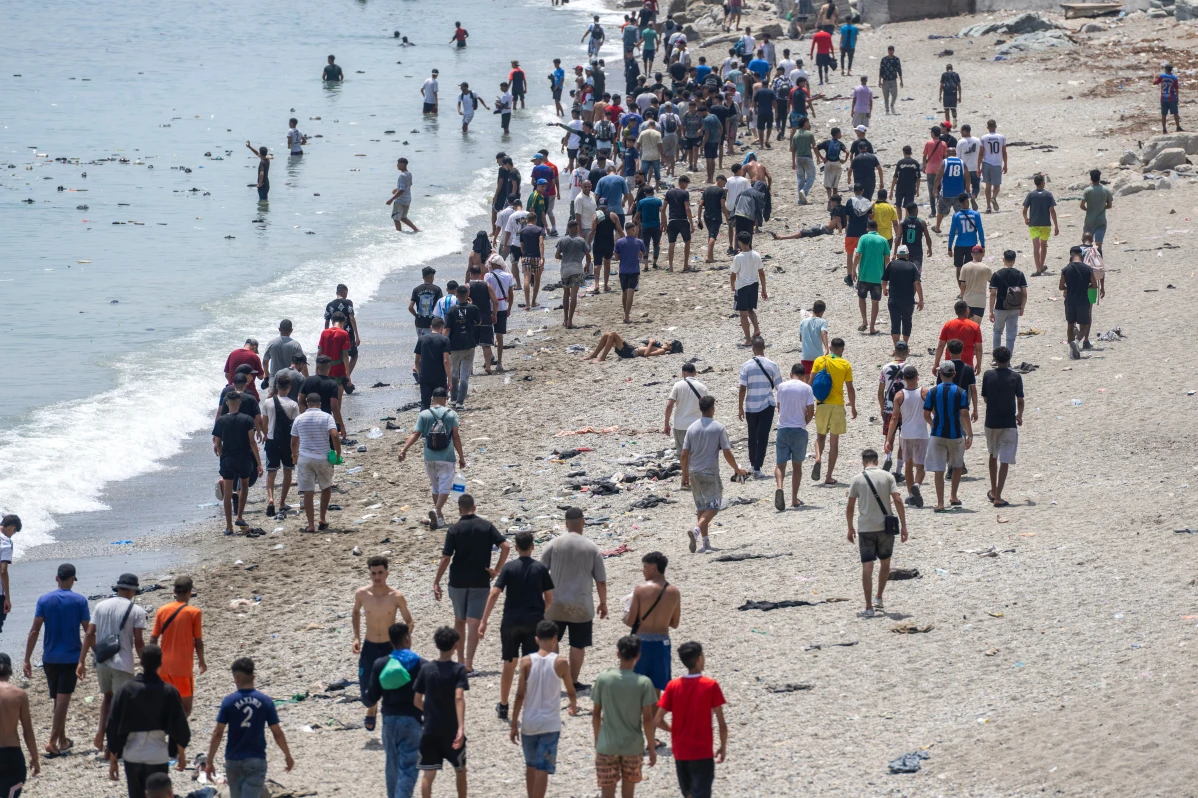
The documents show that the National Intelligence Center (CNI) issued several warnings on July 29, one day before the mass movement began. The warnings highlighted calls circulating on social media encouraging migrants to cross the border fence or enter Ceuta by sea.
One message sent by the CNI to Spain’s government delegation in Ceuta referred to two social-media groups with a combined following of about 180,000 people. The intelligence agency also communicated information about the planned attempts to Spain’s Civil Guard and to Moroccan intelligence authorities.
The warnings identified July 30 as a possible date for the planned crossing, coinciding with Morocco’s Throne Day celebrations. Intelligence reports indicated that migrants were being encouraged to take advantage of the circumstances surrounding the holiday to attempt to enter Ceuta.
The scale of what followed, however, was far greater than the authorities had anticipated. More than 72,000 people entered Ceuta during the crisis, creating an unprecedented situation in the Spanish territory and placing enormous pressure on local authorities and security services.
The release of around 40 declassified documents has triggered renewed political controversy in Spain. Opposition parties and critics of the government have questioned whether the available intelligence was properly assessed and whether stronger measures could have been taken before the border was overwhelmed.
Spanish Prime Minister Pedro Sánchez has rejected the suggestion that the intelligence warnings amounted to a prediction of the crisis on the scale that eventually occurred. He said authorities were aware of online campaigns encouraging people to cross but argued that the information did not indicate the eventual scale, nature or likelihood of the mass influx.
Spain’s Foreign Minister José Manuel Albares has similarly said he was not aware of information indicating the magnitude of the impending surge. The government has therefore maintained that knowing about planned crossing attempts was different from knowing that tens of thousands of people would enter the territory within a short period.
The documents also contain assessments of Morocco’s response during the crisis. A Spanish Defense Ministry intelligence report produced after migrants began crossing described Moroccan security forces as passive in their efforts to stop the movement. Spanish authorities have nevertheless rejected claims that Morocco organized the mass crossing.
The revelations have added to the political pressure surrounding the government’s handling of the crisis, particularly over communication between intelligence agencies, security forces and government officials.
The episode has also renewed attention on Ceuta’s position as a Spanish territory on Africa’s northern coast, surrounded by Morocco and forming part of one of Europe’s most sensitive migration routes.
The central issue now facing Spanish authorities is not simply whether warnings existed, but whether those warnings were communicated and assessed effectively enough to prepare for the extraordinary scale of the events that followed.