International
Six Months Into War, Iran’s Leadership Hardens Stance Against US and Domestic Dissent
Six months into the war with the United States and Israel, Iran’s leadership has consolidated around a group of hard-line military commanders and cler...
By Wavers Multimedia
The conflict, which began on February 28, has transformed Iran’s political leadership following the deaths of much of its senior leadership, including Supreme Leader Ayatollah Ali Khamenei. His son, Mojtaba Khamenei, has since taken over as supreme leader, although he has not appeared publicly since he was possibly wounded during the conflict.
The leadership's position has hardened as the war has dragged on. Rather than signalling a willingness to surrender to US demands, Iranian officials have continued to reject negotiations under what they consider unacceptable conditions.
Hard-liners consolidate power
The conflict has strengthened the influence of military and security figures within Iran's governing system.
Among those given prominent responsibilities is Hossein Taeb, a veteran intelligence official who was appointed to lead the Basij paramilitary force. The organisation has historically played an important role in suppressing domestic protests and maintaining the government's control during periods of unrest.
The changes have raised concerns that the government is preparing not only for a prolonged confrontation with the United States but also for possible unrest resulting from worsening economic conditions.
Iran's economy has been under increasing pressure, with sanctions, disrupted trade and restrictions around the Strait of Hormuz adding to the difficulties faced by ordinary people.
Tehran refuses to bow to US pressure
Iranian officials have continued to reject Washington's demands, while the United States has expanded its economic pressure campaign.
The Trump administration has threatened countries that maintain financial and commercial relationships with Iran, while new sanctions have targeted Iranian-linked entities and increased pressure on Tehran's international trade.
Iranian leaders have responded by portraying the US campaign as economic warfare and insisting that Tehran will not surrender.
President Masoud Pezeshkian has supported diplomacy as a way out of the crisis, but the dominant hard-line faction within the leadership appears unwilling to accept negotiations unless Washington changes its position.
Domestic pressure grows
The government's determination to prevent another wave of protests is becoming increasingly apparent as economic conditions deteriorate.
Iran has experienced rising inflation, a sharply weakening currency and growing pressure on fuel supplies. Long queues have appeared at petrol stations, while concerns about reduced fuel subsidies have increased among the population.
Despite the economic difficulties, there has been no major new wave of nationwide protests comparable to previous periods of unrest.
Iran's authorities appear determined to prevent such protests from gaining momentum. The strengthened role of security forces and officials associated with suppressing dissent reflects concerns within the government that economic hardship could eventually fuel public anger.
Strait of Hormuz remains a key pressure point
The strategic Strait of Hormuz has become one of the most important points of confrontation.
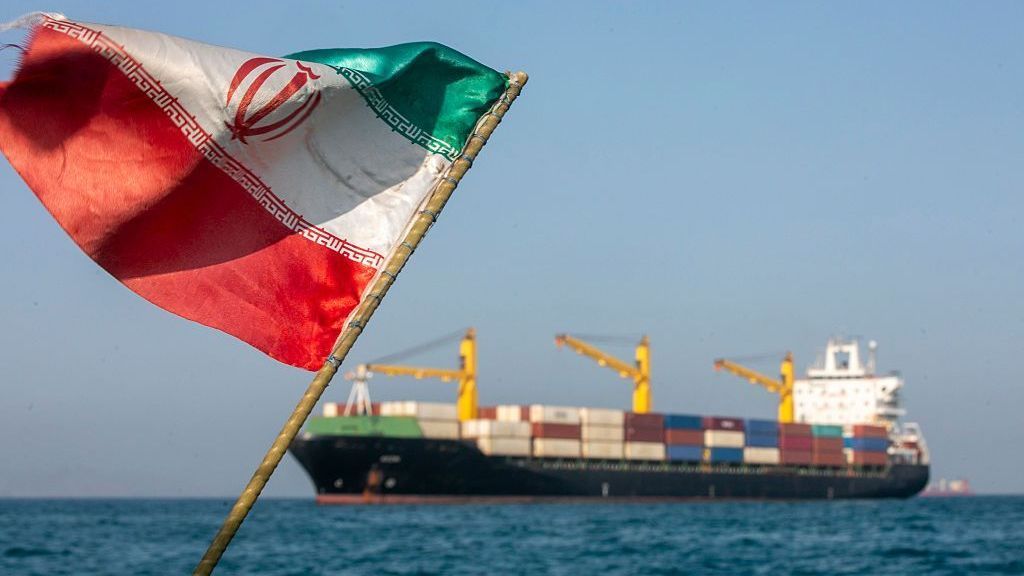
Iran has imposed restrictions affecting shipping through the waterway, while the United States has made securing the passage of commercial vessels an increasingly important objective in the conflict.
The disruption has affected global oil and fertilizer markets and added an economic dimension to a war that has already lasted far longer than originally expected.
Six months after the conflict began, neither side appears ready to make the concessions needed for a lasting settlement.
For Iran's leadership, the immediate priority appears to be maintaining political control, resisting US pressure and preventing domestic unrest from threatening the government.
For the United States, the challenge is determining how far economic and military pressure can be sustained without producing a wider regional crisis.
With the war continuing and diplomatic efforts stalled, Iran's hard-line leadership appears prepared for a prolonged confrontation rather than a quick capitulation.