United States
RECORD DIESEL PRICES PUT U.S. FARMERS UNDER PRESSURE AS FOOD COSTS FACE NEW RISK
American farmers are entering the 2026 harvest season with a major additional expense: diesel fuel has climbed to record levels, raising the cost of o...
By Patience
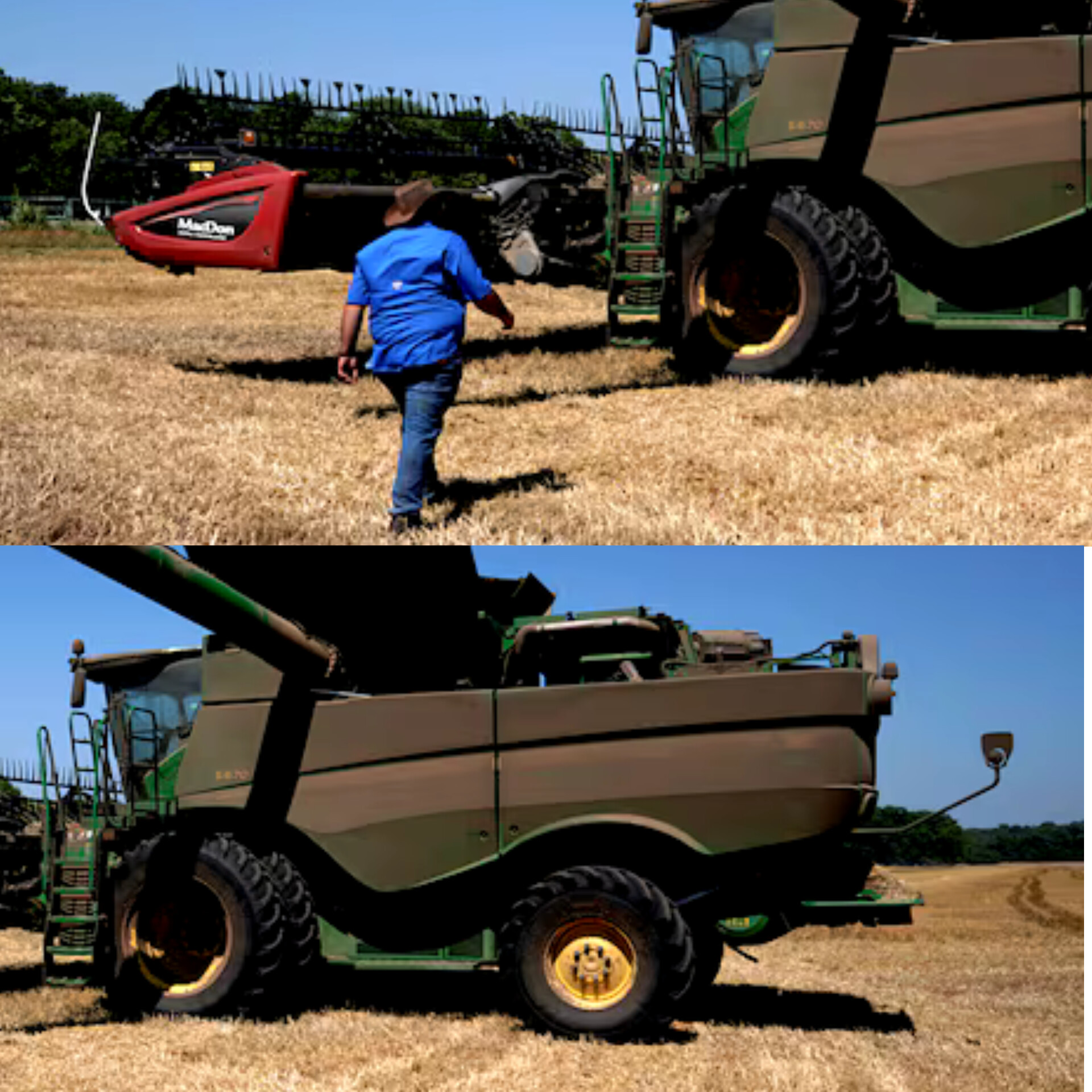
The increase is hitting at a particularly difficult time for producers, who rely heavily on diesel-powered combines, tractors and trucks to harvest and move their crops.
The pressure is also spreading beyond farms, with higher transportation and distribution costs creating the possibility of more expensive food for consumers.
HARVESTING IS BECOMING MORE EXPENSIVE
For farmers growing corn and soybeans and raising livestock, fuel is essential to daily operations.
Harvesting equipment can consume hundreds of gallons of diesel during a season. One Missouri farmer said a single combine can require about 300 gallons of fuel, while a South Dakota farmer estimated that operating one combine could cost as much as $1,500 a day in fuel.
Those expenses can quickly add up because farmers often operate several machines simultaneously during the busiest part of the harvest.
With fuel costs substantially higher than a year ago, producers are being forced to reconsider other expenses in order to keep their operations running.
DIESEL HAS RISEN ABOVE $6 A GALLON
The U.S. national average for diesel recently moved above $6 per gallon for the first time, according to fuel-price data reported earlier this month. Government data for the week ending September 14 put the national average at about $6.29 per gallon.
The increase has been driven largely by higher crude oil costs and disruptions affecting global fuel supplies.
Benchmark oil prices have remained above $100 a barrel amid continuing instability in the Middle East, adding pressure to refined fuel prices.
HIGHER FARM COSTS COULD REACH CONSUMERS
The impact of expensive diesel does not stop at the farm.
After crops and livestock products leave farms, they still have to be transported to processing facilities, warehouses, retailers and ultimately consumers. Trucks and other forms of heavy transportation depend heavily on diesel.
That means higher fuel bills can increase costs throughout the food supply chain.
Fresh produce and meat could be particularly exposed because they often require regular transportation and refrigeration as they move from producers to stores.
The extent to which those additional costs eventually reach shoppers will depend on how much of the increase farmers, transport companies, processors and retailers absorb themselves.
FARMERS HAVE LITTLE ROOM TO AVOID THE COST
Unlike some businesses, farmers cannot simply stop using fuel when prices rise.
Harvesting crops within the appropriate period is essential, and delays can result in losses. Equipment must operate when crops are ready, regardless of the price at the pump.
That leaves farmers looking for savings elsewhere while continuing to spend heavily on fuel.
The situation is particularly challenging for producers operating multiple tractors, combines and trucks at the same time.
FUEL PRESSURE ADDS TO THE BROADER INFLATION RISK
The latest diesel surge comes after months of elevated costs across parts of the agricultural and transportation sectors.
As fuel becomes more expensive, the consequences can extend beyond agriculture. Higher freight costs can affect everything from food and household products to deliveries and other goods that move by road.
For American consumers, the immediate effect may not appear at the supermarket overnight. But if elevated fuel prices persist, businesses throughout the supply chain could face increasing pressure to pass some of those costs on.
For farmers, meanwhile, the challenge is more immediate: bringing in the harvest while fuel consumes a growing share of their operating budgets.