News
Ortom’s 23 Cars Raise Questions Over Public Resources in Benue
The controversy surrounding 23 vehicles linked to former Benue State Governor Samuel Ortom has renewed questions about the use of public resources and...
By Wavers Multimedia
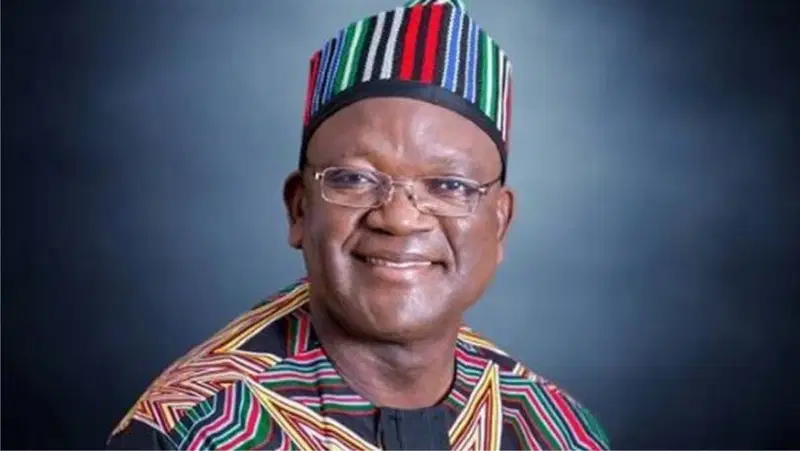
Ortom recently alleged that the administration of Governor Hyacinth Alia seized 23 vehicles that had been allocated to him after he left office.
According to the former governor, he challenged the seizure in court and won the case. He said the court ordered the state government to return the vehicles and pay him ₦5 million in damages, but that the vehicles had yet to be returned.
Ortom described the vehicles as items legitimately allocated to him by the government before they were taken away.
The issue has generated criticism, particularly over the number of vehicles involved.
The debate has also been placed against the difficult circumstances Benue faced during Ortom’s eight years in office, including serious insecurity and reports of prolonged salary arrears during his administration.
Tersoo Kula, the Chief Press Secretary to Governor Alia, questioned why a former governor would require as many as 23 government vehicles after leaving office.
Kula argued that Ortom was not the first governor of Benue State or the first Nigerian governor to leave office, and questioned how many former governors had departed with a similar number of vehicles.
He also raised questions about where the vehicles were reportedly found.
According to Kula, the vehicles were discovered in a mechanic workshop after security agencies received information about them. He said the owner of the workshop had separately taken the Benue State Government to court.
Kula questioned why the vehicles would have been kept in a workshop rather than being openly retained by the former governor if they had genuinely been allocated to him.
The controversy has therefore gone beyond the immediate disagreement between Ortom and the Alia administration, raising broader questions about the treatment of government property when political office holders leave office.
Arise TV anchor Oseni Rufai also weighed into the discussion, expressing the view that public officials should not be allowed to take assets belonging to the state.
The dispute over the 23 vehicles remains part of the wider political tensions between Ortom and the current Benue administration, while the former governor maintains that the vehicles were legitimately given to him and that a court had already ruled in his favour.
At the centre of the controversy is a broader question: where should the line be drawn between benefits legitimately granted to public officials and assets that should remain the property of the state?