International
NIGERIA’S GLOBAL REPRESENTATION FACES RENEWED SCRUTINY AS SENIOR UN ROLE NEARS TRANSITION
Nigeria’s representation in senior positions across major international organisations is facing renewed scrutiny as the country’s presence in global i...
By Wavers Multimedia
Several Nigerians still occupy influential positions within international bodies, including the United Nations, World Bank, International Monetary Fund, World Trade Organisation and other regional organisations.
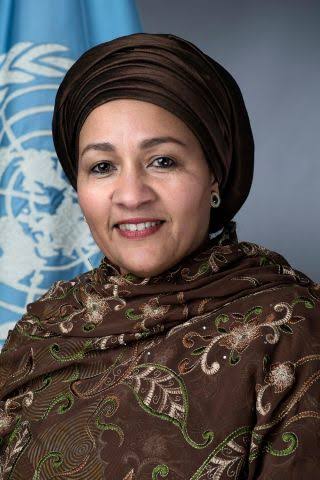
The expected departure of United Nations Deputy Secretary-General Amina Mohammed has added to the discussion, coming at a time when questions are also being raised about Nigeria’s engagement with global institutions.
NIGERIANS STILL HOLD KEY INTERNATIONAL POSITIONS
Nigeria continues to have citizens serving in prominent positions across the international system.
Damilola Ogunbiyi and Ahunna Eziakonwa are serving as UN undersecretaries, while Edem Wosornu holds a position at the United Nations High Commissioner for Refugees.
Ngozi Okonjo-Iweala heads the World Trade Organisation, while Afolabi Olowookere is at the International Monetary Fund.
Zainab Ahmed and Bayo Oyewole are also serving at the World Bank.
Other Nigerians in senior international positions include Chikwe Ihekweazu at the World Health Organisation, Bankole Adeoye at the African Union and Anthony Ogunjimi at the ECOWAS Commission.
QUESTIONS OVER NIGERIA’S GLOBAL ENGAGEMENT
Despite the continued presence of Nigerians in international institutions, concerns have emerged over what is being described as a decline in the country's representation at the highest levels.
The discussion also extends to President Bola Tinubu’s engagement with global organisations.
Questions have been raised about the President’s limited attendance at United Nations General Assembly meetings and whether this has affected Nigeria’s representation and engagement elsewhere.
LOOKING BACK AT PREVIOUS PERIODS
Nigeria’s current position is also being viewed against its historical participation in international institutions.
The 1990s have been described as a low point for the country’s presence in major global organisations.
By contrast, 2017 is regarded as a possible high point, with a particularly large concentration of Nigerians serving in leadership positions across international bodies.
At the time, dozens of Nigerians held positions within organisations including the United Nations, World Bank, International Monetary Fund, Organisation of the Petroleum Exporting Countries, International Labour Organisation and Food and Agriculture Organisation.
Nigerians also occupied leadership positions across various African institutions, reflecting a period of significant representation in international affairs.
The impending transition involving Amina Mohammed therefore comes against the backdrop of a wider discussion about Nigeria’s presence, representation and engagement within the institutions that shape global affairs.