Business
Nigeria Risks Deeper Poverty Trap Despite Economic Recovery
Nigeria’s economic recovery is yet to translate into meaningful improvements in the living conditions of millions of citizens, with high inflation, a...
By Wavers News
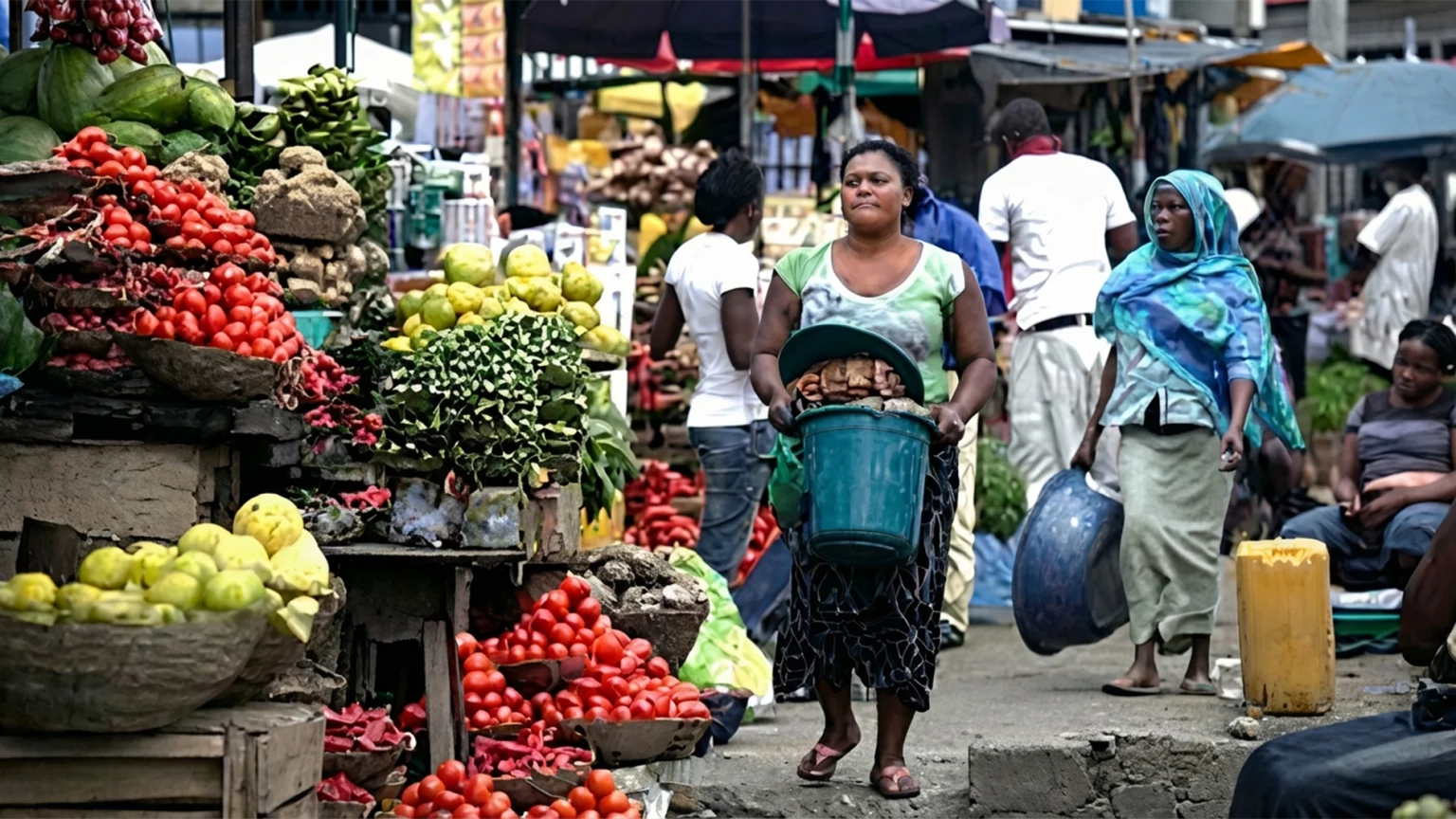
Economists and development experts warn that the country could become trapped in a cycle where economic growth continues without producing enough jobs, stronger household incomes or improved access to essential services.
The pressure is particularly severe among households that have been forced to use their savings, sell productive assets or reduce spending on important needs such as education and healthcare simply to meet daily expenses.
University of Ibadan economist, Prof. Adeola Adenikinju, said the economic situation has left many Nigerians who would normally be considered middle class only one major financial shock away from falling into poverty.
The growing pressure is also affecting businesses and investment. Weak consumer purchasing power has made it harder for companies to expand production, while several multinational companies have reduced or ended their operations in Nigeria in recent years.
Nigeria’s large population has not translated into equally strong consumer demand. The country recorded only 23,779 sales of brand-new vehicles last year, significantly below its previous peak of 53,900 units recorded in 2014.
The weak purchasing power is also reflected in other consumer markets. For example, Nigeria’s paid Netflix subscriber base remains far below that of South Africa despite having a much larger population.
Economists say the situation creates a damaging cycle: low incomes reduce consumer spending, weak demand discourages investment, reduced investment limits job creation, and weak employment keeps household incomes low.
The country’s economic structure is another concern. Although Nigeria recorded 4.43 per cent growth in the second quarter, key employment-generating sectors such as agriculture, industry and manufacturing expanded more slowly than the overall economy.
Agriculture grew by 4.39 per cent, industry by 3.96 per cent and manufacturing by 3.24 per cent, suggesting that much of the recent expansion has been driven by capital-intensive sectors rather than industries capable of creating large numbers of jobs.
Poverty remains particularly severe in rural communities. Estimates cited in the analysis put the number of Nigerians living in extreme poverty at about 73 million, with almost 65 million of them living in rural areas.
The weakening purchasing power of Nigerians has also been linked to the depreciation of the naira. The value of the currency has fallen sharply over the past decade, while wages have failed to keep pace with the rising cost of food, transportation, housing, healthcare and other necessities.
The current minimum wage of ₦70,000 also has significantly lower purchasing power than the previous ₦18,000 minimum wage had in 2015 when measured against the value of the dollar.
Economists have therefore called for stronger job creation, better infrastructure, targeted social protection and policies aimed at increasing productivity rather than relying mainly on cash assistance.
They argue that investment in rural roads, electricity, irrigation, storage facilities, agricultural financing and links between farmers and processors could help increase incomes and reduce poverty.
Without stronger employment opportunities and improvements in household purchasing power, experts warn that Nigeria’s economic growth could continue to coexist with worsening living conditions for a large section of the population.