International
NATIONAL RALLY AND ALLY SECURE 14 SENATE SEATS IN FRANCE
PARIS — France’s National Rally (RN) and its political ally, the Union of the Right for the Republic (UDR), have secured a combined 14 seats in the c...
By Wavers Multimedia
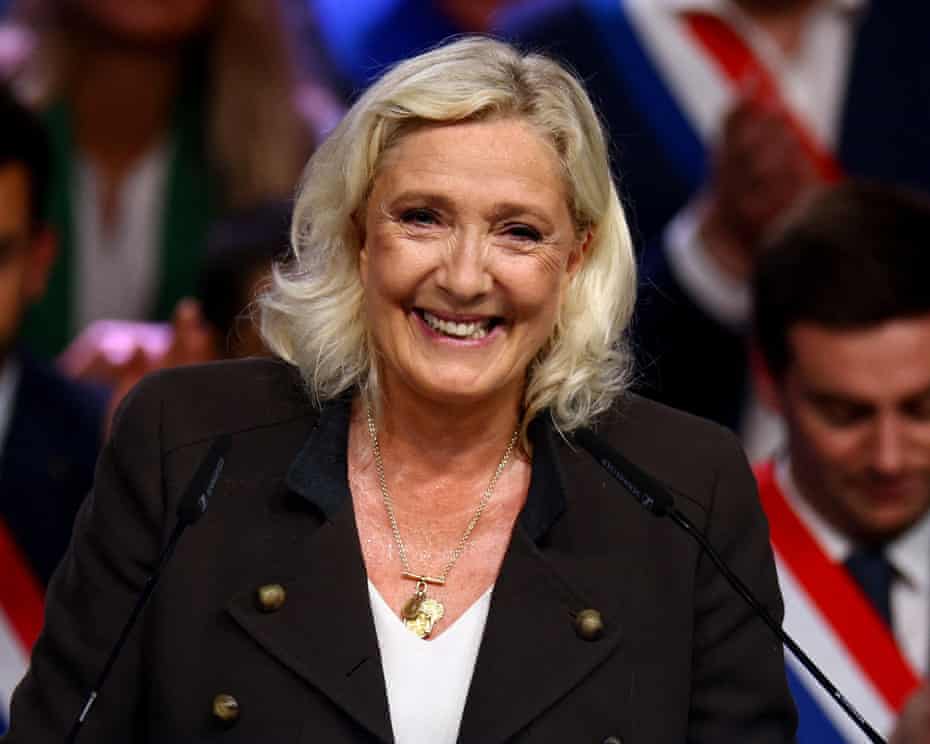
The result followed Sunday’s partial Senate elections, in which 178 of the Senate’s 348 seats were contested.
RN EXPANDS ITS SENATE PRESENCE
The National Rally won nine seats in Sunday’s election, adding to the three seats it already held from the 2023 Senate elections.
The UDR, led by Eric Ciotti, won two additional seats, bringing the combined representation of the two parties to 14.
The threshold for forming a parliamentary group in the Senate is 10 members, meaning the new bloc will have formal group status in the chamber.
SENATE MAJORITY REMAINS WITH RIGHT AND CENTRE-RIGHT
Despite the gains by the RN and UDR, the overall balance of the Senate remains dominated by the traditional right and centre-right.
Gérard Larcher of Les Républicains, who has led the upper chamber for more than a decade, is expected to seek another term as Senate president.
The right, centre and Socialist left remain the principal political forces within the chamber.
HOW FRANCE ELECTS ITS SENATORS
Unlike presidential and National Assembly elections, French Senate elections are conducted through an indirect voting system.
Senators are chosen by an electoral college made up of elected officials, including mayors, councillors, deputies and other representatives.
The Senate has 348 members, with half of its seats renewed every three years. Each senator serves a six-year term.
OTHER POLITICAL DEVELOPMENTS
The election also produced gains for other political forces.
La France Insoumise, the left-wing party led by Jean-Luc Mélenchon, won a Senate seat for the first time, with Gabriel Amard elected in the Rhône.
The latest results therefore change the composition of the upper chamber while leaving the traditional right and centre-right as the dominant forces in the Senate.
The National Rally’s new Senate group comes ahead of France’s 2027 presidential election, adding another development to the country’s political landscape.