World News
NARGES MOHAMMADI DETAILS SEVERE ABUSE IN IRANIAN PRISON
Narges Mohammadi, the Iranian human rights activist and 2023 Nobel Peace Prize laureate, has described severe physical abuse during her latest detenti...
By Wavers News
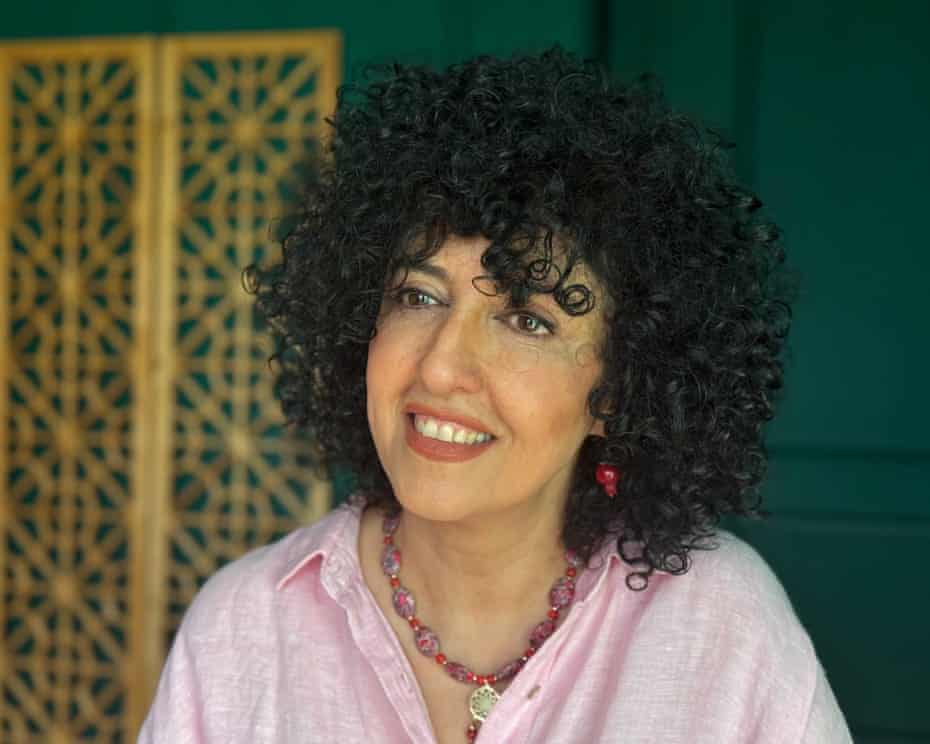
Narges Mohammadi
Mohammadi said she was violently assaulted by security agents during her arrest in December before being placed in solitary confinement. She said her condition deteriorated in the days that followed, with dizziness, nausea and vomiting among the symptoms she experienced.
TWO MONTHS IN SOLITARY CONFINEMENT
Following her arrest, Mohammadi said she was transferred to solitary confinement despite the injuries she had sustained.
She said she was taken to hospital twice for brain CT scans after experiencing serious symptoms. However, she said she was not permitted to undergo a forensic examination that could formally document the injuries.
The prolonged isolation also had a psychological impact, with Mohammadi describing the experience as deeply damaging to a person's sense of identity and connection with the outside world.
MEDICAL CONDITION REMAINS SERIOUS
Mohammadi was temporarily released from prison in May to receive medical treatment after she was found unconscious following a cardiac arrest.
She said her years of imprisonment have left her with serious problems affecting her heart, lungs and nervous system. She continues to receive medical treatment, medication, physical therapy and rehabilitation in Tehran.
The activist has warned that another period of imprisonment could pose a serious risk to her life because her treatment remains incomplete.
NEW PRISON SENTENCE
Mohammadi was arrested on December 12, 2025, while attending a memorial gathering for human rights lawyer Khosrow Alikordi in Mashhad.
In February 2026, she was sentenced to another seven and a half years in prison and two years of internal exile. She was later transferred to Zanjan prison.
Her latest detention added to a long history of imprisonment linked to her human rights activism. She has endured 14 arrests, 10 trials and five periods of solitary confinement.
ACTIVISM AND FAMILY
Mohammadi's experiences in detention also feature prominently in her latest memoir, A Woman Never Stops Fighting, which was published in September.
Written secretly during her imprisonment, the book examines her years of activism, imprisonment and separation from her children.
She said some of her most painful moments in prison involved thinking about her twins, Ali and Kiana, and questioning the effect her repeated arrests and prolonged absence had on them.
Despite those concerns, Mohammadi said she remains committed to her human rights work and has chosen to stay in Iran.
CONTINUED CONCERNS OVER REPRESSION
Mohammadi also spoke about the wider situation in Iran, expressing concern over the treatment of people detained during nationwide protests and the use of executions following trials she considers lacking basic legal protections.
She said Iran's population is facing pressure from political repression, economic hardship and the consequences of conflict.
Despite the circumstances, Mohammadi said she remains hopeful about Iran's younger generation, particularly women and young people, and believes their determination to pursue their rights cannot be permanently suppressed.