News
NAFDAC Investigates Death of NYSC Member at Enugu Orientation Camp Over Suspected Drug Concerns
The death of a National Youth Service Corps (NYSC) member at an orientation camp in Enugu State has prompted a formal investigation by the National Ag...
By Patience
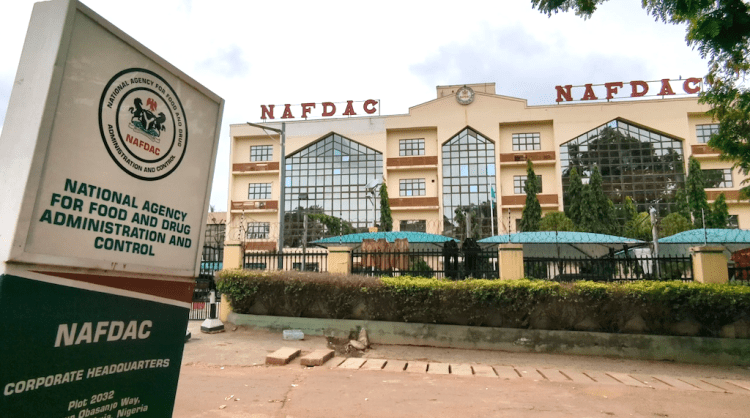
NAFDAC
The deceased, identified as Etimbuk Daniel, reportedly fell ill while participating in the compulsory three-week orientation programme at the NYSC camp in Awgu, Enugu State.
The investigation is intended to establish whether the medicines he received had any connection with his death. However, the agency has cautioned against drawing conclusions before laboratory tests and other investigative procedures are completed.
HOW HIS CONDITION DETERIORATED
Preliminary information released by NAFDAC indicates that Daniel was taken to the camp clinic on Wednesday, 7 October 2026, with symptoms suggestive of severe malaria. He also reportedly had a history of peptic ulcer disease.
Medical personnel treated and stabilised him before discharging him the following morning with oral medications.
However, Daniel returned to the clinic on Saturday, 10 October, complaining of pain in his right thigh and excessive sweating. His condition was also complicated by repeated episodes of low blood pressure.
According to the preliminary clinical account, his health subsequently worsened, with reduced urine output despite efforts to restore his fluid levels.
He was eventually referred to the University of Nigeria Teaching Hospital in Ituku-Ozalla for further medical attention.
His condition deteriorated further at the hospital, where he became comatose. Attempts to resuscitate him were unsuccessful.
The preliminary clinical assessment identified acute kidney injury associated with severe dehydration and shock as the suspected cause of death. However, this assessment did not establish whether the medicines administered to him contributed to the fatal outcome.
NAFDAC BEGINS INVESTIGATION
Following reports suggesting that substandard or falsified medicines might have been involved, NAFDAC commenced an investigation to determine whether there was any connection between the medication and Daniel's death.
The agency's Director-General, Professor Mojisola Adeyeye, said the preliminary clinical findings had not established that the medicines were responsible.
As part of the investigation, NAFDAC officials visited the camp clinic, interviewed the medical personnel who attended to Daniel and spoke with other staff members.
The agency also collected samples of the medicines administered to him for laboratory analysis.
These steps are intended to help investigators establish the quality of the medicines and determine whether further regulatory action is necessary.
NAFDAC has indicated that appropriate action will be taken if the investigation establishes grounds for intervention.
The outcome of the laboratory tests and the wider investigation will be important in determining whether the medicines played any role in the incident.
AGENCY WARNS AGAINST SPECULATION
NAFDAC has urged Nigerians to avoid spreading unverified claims about the circumstances surrounding Daniel's death while the investigation remains ongoing.
The agency stressed that the available clinical information did not prove that substandard or falsified medicines caused his death.
This distinction is important because the presence of a suspected link does not establish that a medicine caused a patient's condition or death. Investigators must examine the available medical evidence and laboratory results before reaching a conclusion.
The agency also expressed condolences to Daniel's family and called for calm while the investigation proceeds.
Its findings could help clarify the circumstances surrounding the incident and determine whether any failures involving the quality, supply or administration of medicines require further action.
WHY THE INVESTIGATION MATTERS
The case has drawn attention to the importance of medicine safety and the need for proper investigations when a patient dies after receiving treatment.
Medicines must meet established standards of safety, quality and efficacy. Where concerns arise about a product, laboratory testing and regulatory investigations can help determine whether it meets those standards.
The investigation may also establish whether the circumstances require additional action by health authorities or other relevant institutions.
For now, however, the available findings do not establish that the medicines administered to Daniel caused his death. The final conclusions will depend on the evidence gathered during the investigation.
NAFDAC has reaffirmed its commitment to ensuring that medicines available in Nigeria meet the required standards, while urging the public to allow the investigation to run its course.