Lifestyle
Makoko Demolition: Lagos Government Clarifies Stance on Safety, Urban Planning, and Environmental Issues
The recent demolition exercise in Makoko has sparked conversations across Lagos, with residents, activists, and stakeholders expressing mixed reaction...
By Wavers Multimedia
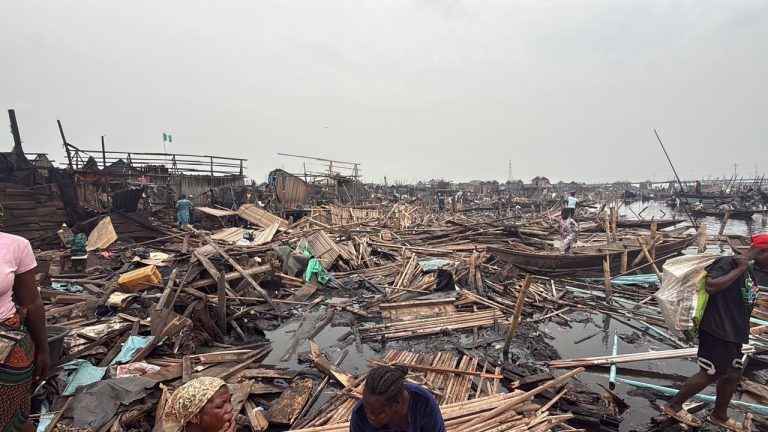
According to government officials, the affected structures were located in areas considered environmentally vulnerable and not in compliance with existing planning regulations. Authorities stated that the demolition formed part of broader efforts to address risks associated with flooding, poor sanitation, and unregulated construction.
Makoko, widely known for its waterfront settlements and densely populated environment, has long faced challenges relating to infrastructure, waste management, and housing conditions. Government representatives maintain that urban development must align with safety standards and environmental sustainability to protect lives and property.
The Lagos State Government emphasized that the state remains committed to improving living conditions while ensuring that development follows approved planning guidelines. Officials noted that urban renewal projects are designed not only to modernize the city but also to reduce hazards linked to overcrowding and informal settlements.
However, community members and advocacy groups have called for greater engagement and inclusive dialogue before such actions are carried out. They argue that alternative housing solutions and adequate notice should accompany redevelopment efforts to prevent displacement and hardship.
As discussions continue, the situation in Makoko highlights the ongoing challenge of balancing rapid urban growth with environmental responsibility, public safety, and the protection of vulnerable communities. The Lagos State Government has pledged continued engagement with stakeholders to ensure that future development initiatives consider both regulatory standards and social impact.