International
Language Learning Builds Stronger Bridges Between China and Arab World
Language education is increasingly serving as a bridge between Chinese and Arab communities, helping people build stronger connections in business, ed...
By Wavers Multimedia
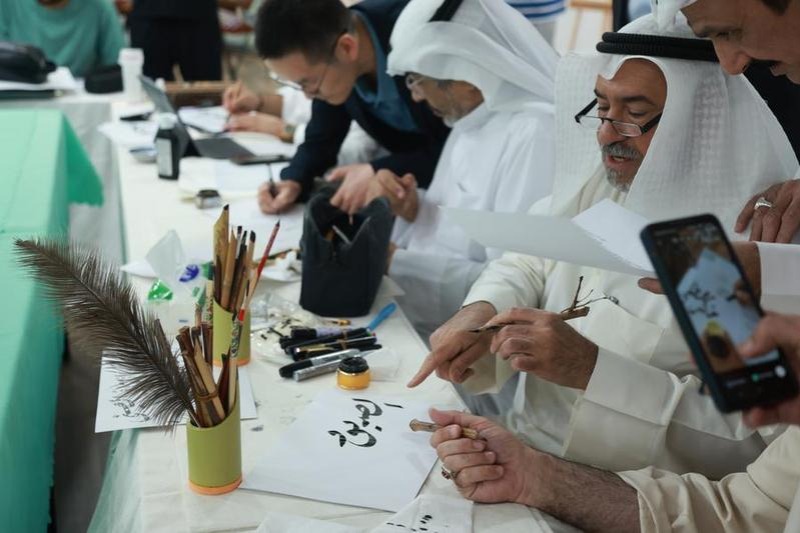
A recent example can be seen in Fujian province, where Egyptian businessman Hany Sobhy has started a free Arabic-language training programme for Chinese merchants at Shishi clothing city. The lessons focus on practical expressions that traders can use in their daily business dealings with Arabic-speaking customers.
Arabic Lessons Meet Business Needs
During one of the training sessions, Sobhy guided Chinese merchants through Arabic greetings and commonly used words, using Chinese phonetic annotations to make pronunciation easier.
The programme covers Arabic numerals as well as words and phrases relating to quantities, colours and packaging. The focus, according to Sobhy, is on language that merchants can immediately apply in their businesses.
The initiative highlights how language learning can go beyond classrooms by helping people communicate more effectively in commercial environments.
Chinese Language Gains Ground in Saudi Arabia
The exchange is also taking place in the opposite direction.
In Riyadh, Saudi Arabia, young students are learning Chinese through technology-supported classes. Their lessons make use of audio materials, animated content, interactive games, flashcards and illustrated books.
Online tutors work alongside local teachers, combining digital learning with face-to-face instruction.
Language as a Tool for Deeper Connections
The growing interest in learning each other's languages reflects expanding interaction between China and Arab countries.
For businesspeople, language skills can make everyday transactions easier and reduce communication barriers. For students, learning another language can provide a pathway to greater cultural understanding and closer contact with people from different backgrounds.
The examples from Fujian and Riyadh show how language education is becoming part of broader people-to-people exchanges, strengthening connections between Chinese and Arab societies.