News
Kwankwaso: We Gained Nothing After Buhari’s 2015 Victory, Yar’Adua’s Death Disrupted Zoning Arrangement
Former Kano State governor and prominent politician Rabiu Musa Kwankwaso has stated that many of those who supported the emergence of former President...
By Wavers Multimedia
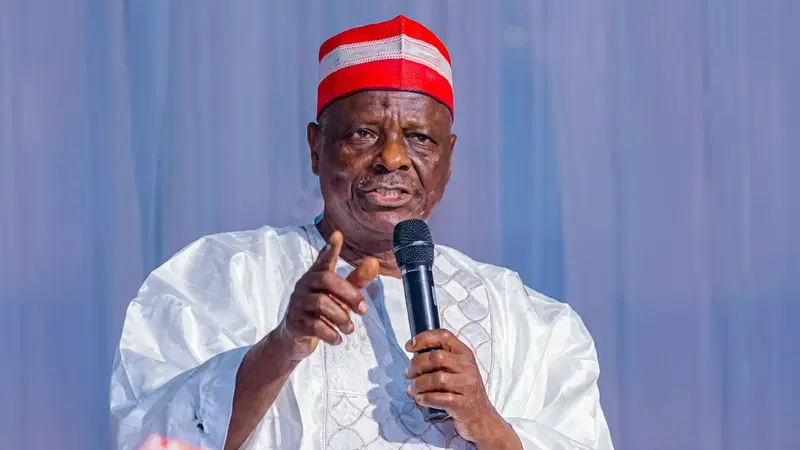
Kwankwaso made the remarks while reflecting on Nigeria’s political history, internal party dynamics, and the impact of former President Umaru Musa Yar'Adua’s death on the country’s zoning arrangement.
According to him, the passing of Yar’Adua created political uncertainty that altered the balance of power and disrupted established expectations regarding rotational leadership in Nigeria. He explained that the zoning principle, which was designed to promote fairness and regional inclusion, became increasingly complicated after the unexpected transition in leadership.
Speaking on the 2015 elections, Kwankwaso suggested that several political allies and supporters who worked toward Buhari’s emergence expected significant political inclusion afterward but were ultimately disappointed. He noted that expectations within political coalitions are often shaped by sacrifice, loyalty, and contribution during election campaigns.
The former governor also spoke about broader issues affecting Nigeria’s political structure, emphasizing the need for fairness, inclusiveness, and stronger democratic institutions. He stressed that political agreements and power-sharing arrangements should be respected to maintain stability and national unity.
Kwankwaso’s comments have sparked discussions among political observers and party supporters, especially as conversations around zoning and future leadership continue to shape the country’s political landscape ahead of future elections.
Analysts say the remarks may reignite debate over political alliances, regional balance, and how past transitions continue to influence present-day power dynamics within Nigeria’s major political parties.