World News
JET-POWERED RUSSIAN DRONES PUT NEW PRESSURE ON UKRAINE’S AIR DEFENCES
Russia’s growing use of faster, jet-powered Shahed attack drones is creating new challenges for Ukraine’s air-defence network, particularly around Ky...
By Wavers Multimedia
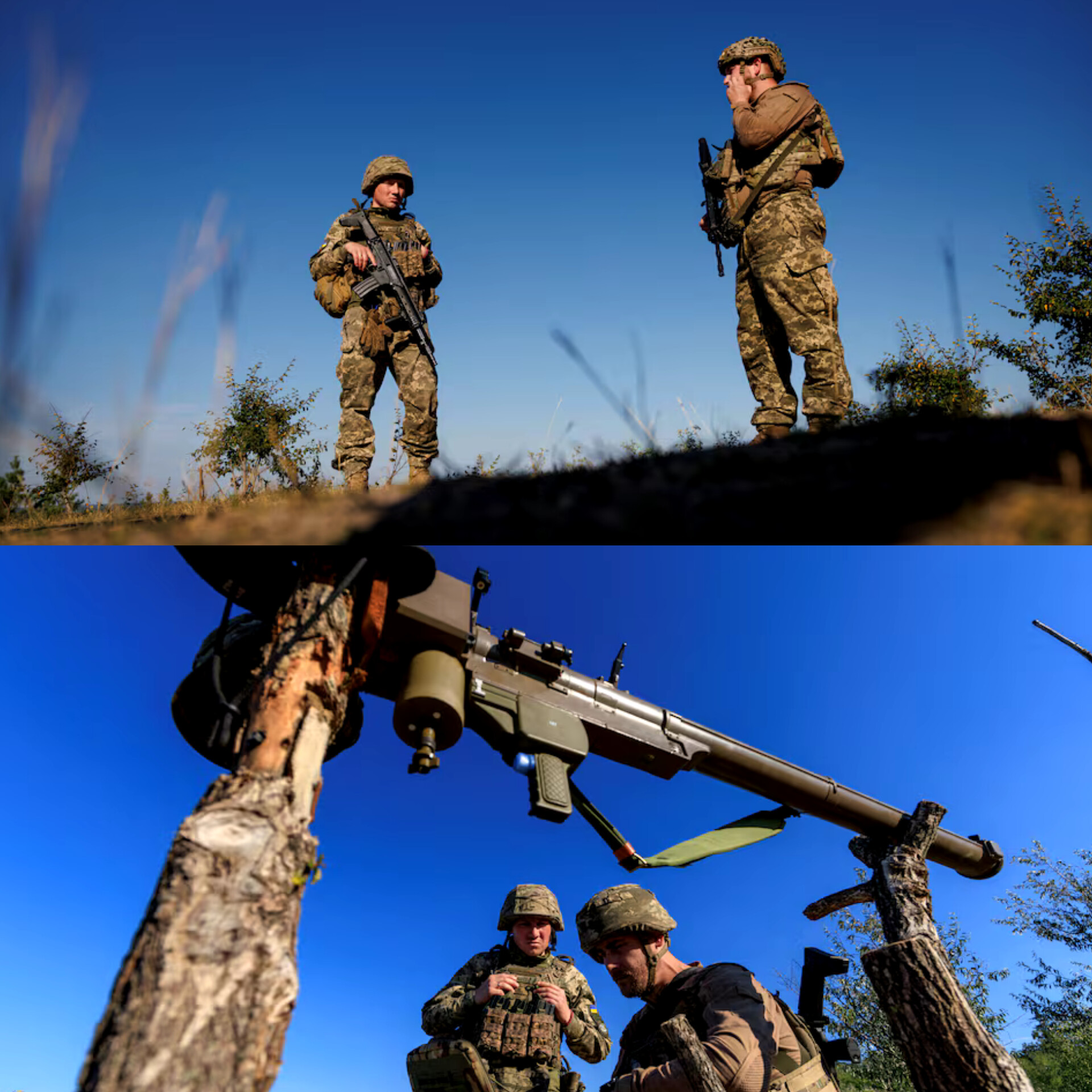
The newer drones can fly at higher speeds and altitudes than earlier propeller-driven versions, making them more difficult for some of Ukraine’s existing air-defence systems to intercept.
NEW DRONES FLY HIGHER AND FASTER
The jet-powered drones can operate at altitudes of around 4 to 7 kilometres, putting them beyond the effective range of some mobile teams equipped with shoulder-fired missiles.
Their increased speed and flight characteristics have also made them more difficult to counter compared with earlier Shahed variants.
Ukraine’s air force is currently intercepting about 60 per cent of the jet-powered drones, compared with interception rates of more than 90 per cent for earlier versions.
The change has increased pressure on Ukraine’s air-defence network as Russian forces continue to expand their use of the newer systems.
THOUSANDS OF DRONES LAUNCHED IN SEPTEMBER
During the first three weeks of September, Russia launched about 2,100 jet-powered attack drones along with 136 missiles, according to figures cited by Ukrainian officials.
The attacks killed 288 people during that period, including four children.
Russia also launched more than 2,800 jet-powered drones in August, showing the rapid increase in the use of the newer weapons.
The drones have been used against targets linked to Ukraine’s economy, including grain ports, railway infrastructure and steel and logistics facilities.
SEPARATE OVERNIGHT ATTACK
In a separate overnight attack on September 21–22, Russia launched 212 Shahed drones, including jet-powered variants, alongside other types of missiles and aerial weapons.
Ukraine’s Air Force reported that its forces had destroyed or jammed 177 Shahed and other drones, one Kalibr cruise missile and eight Banderol/Dan-T drone missiles by 8 a.m.
The overnight attack was separate from the broader September figures covering the first three weeks of the month.
UKRAINE DEVELOPS INTERCEPTOR DRONES
Ukraine is developing high-speed interceptor drones as another way of responding to the faster Russian aircraft.
President Volodymyr Zelenskyy has called for faster production of interceptor systems, while Ukrainian developers have reported successful tests against jet-powered Russian drones.
The approach is intended to provide another layer of defence against targets that can be difficult or expensive to engage with conventional air-defence missiles.
However, expanding production will require additional funding and manufacturing capacity.
GROWING PRESSURE ON UKRAINE’S AIR DEFENCES
The increased use of jet-powered drones is forcing Ukraine to adapt its air-defence strategy as Russia continues to employ large numbers of unmanned aircraft.
The newer drones are being used alongside missiles and other drone types, creating more complex and sustained attacks.
Ukraine is therefore pursuing a combination of existing air-defence systems, electronic warfare and newer interceptor drones as it responds to the changing threat.
Russia has denied targeting civilians, while Ukrainian authorities continue to report damage and casualties from Russian attacks.
The development of faster drones adds another challenge to an air-defence network already dealing with frequent missile and drone attacks.