International
JAPAN WEIGHS DECEMBER RETURN OF ELECTRICITY AND GAS SUBSIDIES AS HOUSEHOLD COSTS RISE
TOKYO — Japan’s government is considering restoring subsidies for electricity and city gas bills in December as households continue to face pressure f...
By Wavers News
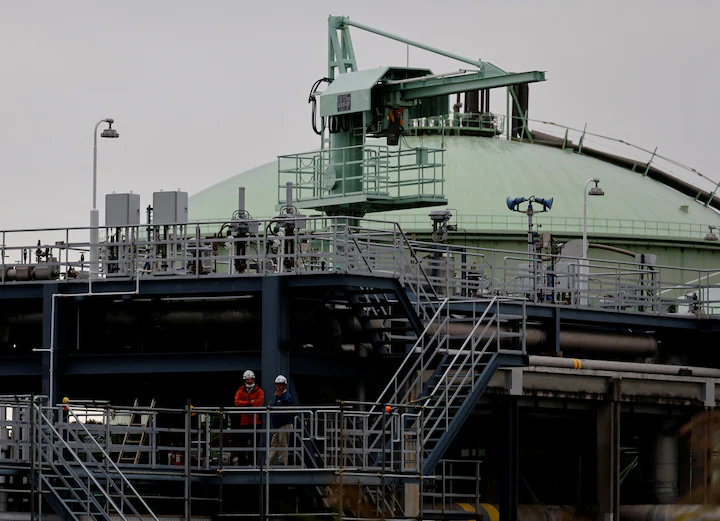
A LNG tank is pictured at Tokyo Gas's LNG terminal in Sodegaura, Chiba Prefecture, Japan November 18, 2024.
The proposed intervention would help reduce energy expenses during the colder months, when heating demand increases. It would also create another spending commitment for Prime Minister Sanae Takaichi’s administration, which is pursuing economic support measures while facing concerns over the country’s heavy public debt.
Two government sources familiar with the discussions said the administration was considering bringing back the subsidies. The plan has not been formally approved, and the government has yet to announce how much financial assistance households would receive or how long a renewed programme would last.
The discussions follow the government’s earlier decision to provide temporary energy-bill assistance during the summer months of 2026. That programme covered electricity and city gas usage from July through September, after which the subsidies expired.
DECEMBER RETURN UNDER CONSIDERATION
The government is examining whether to resume financial assistance for electricity and city gas bills as winter approaches.
The proposed return would follow several rounds of subsidies introduced in 2023, when higher international energy costs following Russia’s invasion of Ukraine increased the pressure on Japanese households and businesses.
The assistance helped offset some of the costs passed on to consumers through utility bills. The programme was extended and adjusted several times before the latest round ended in September 2026.
The potential December restart would provide another period of relief if the government proceeds with the proposal.
Chief Cabinet Secretary Minoru Kihara said on Wednesday, October 21, that the government was open to taking appropriate measures to reduce the burden of electricity and gas bills. He also referred to the possible use of budget reserves but did not announce a final subsidy package.
The administration’s next steps will determine whether the proposal becomes policy and what support consumers would receive.
GOVERNMENT CONSIDERS HOW TO PAY FOR THE RELIEF
One funding option under consideration is the use of reserves already included in the current fiscal year’s budget.
If those funds prove insufficient, the government could consider preparing an additional budget to finance the programme.
The final cost would depend on the size of the subsidies, the number of months covered and the level of assistance provided for electricity and city gas consumption.
Japan has spent approximately ¥5.6 trillion on electricity and gas subsidies since the programme began in 2023. The expenditure reflects the scale of the government’s efforts to cushion households against higher energy costs over several years.
A renewed programme would require further public spending at a time when the government is also considering other measures intended to support the economy and ease the cost of living.
The amount of funding available and the duration of any renewed assistance remain undecided.
HOUSEHOLDS FACE THE END OF SUMMER DISCOUNTS
The end of the latest subsidy programme has already affected utility costs.
Japanese electricity and gas providers announced higher rates for October usage, with bills reflecting the withdrawal of government assistance. The impact varies by utility provider, household consumption and the applicable tariff.
For households, higher utility bills can leave less money available for food, transport, housing and other essential expenses. Businesses also face energy costs that can affect operating expenses and, in some cases, the prices charged to customers.
Restoring subsidies could reduce some of this pressure, although the actual savings would depend on the final terms of the programme.
The government has not yet published a new schedule of subsidy rates or confirmed the amount that an average household could save under the proposed arrangement.
JAPAN’S PUBLIC FINANCES ADD TO THE CHALLENGE
The proposal comes as Japan continues to manage a substantial public debt burden.
The country’s government debt is more than twice the size of its annual economic output, reflecting decades of public expenditure and growing social welfare costs associated with an ageing population.
Additional energy assistance could provide short-term relief to consumers, but it would also increase the demands on public finances.
The International Monetary Fund has recommended that governments avoid broad-based fuel subsidies where possible and instead use temporary, targeted support to help those most affected by higher costs.
That approach is intended to limit the fiscal burden while directing assistance towards households that need it most.
Japan’s government must therefore weigh the potential benefits of renewed utility subsidies against the cost of financing them and its wider economic priorities.
DECISION STILL PENDING
As of Thursday, October 22, the proposed return of electricity and gas subsidies had not been formally confirmed.
The government was considering a December restart, but details about the assistance, its duration and the funding arrangements remained unsettled.
If the plan is approved, it could provide another round of relief for households facing higher utility bills during winter. The size of that relief will depend on the final policy announced by the administration.
Until then, the proposal remains under consideration rather than an implemented nationwide subsidy programme.