News
Is the CIA Planning to Arm Kurdish Forces to Trigger an Uprising in Iran?
Recent reports from multiple international news outlets say the U.S. Central Intelligence Agency (CIA) is exploring plans to arm Kurdish opposition fo...
By Wavers Multimedia
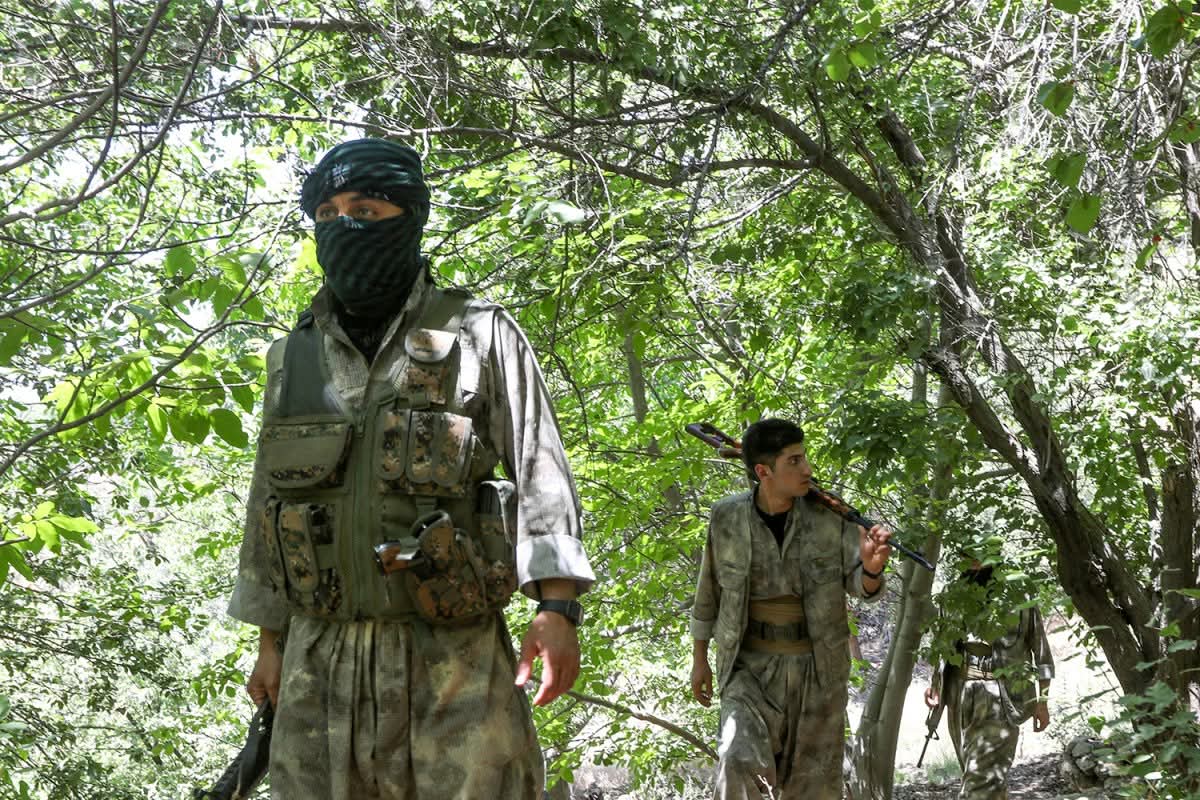
According to officials cited by major media sources, including CNN, the Trump administration has been in active talks with Iranian Kurdish leaders and opposition representatives based in neighboring Iraq about providing them with military support. The goal, sources say, would be to create internal pressure on the Iranian government by encouraging Kurdish forces to take up arms against Tehran’s security apparatus.
Iranian Kurdish armed groups, which have long operated along the Iraq-Iran border, are reportedly preparing for potential action. Leaders of these groups have hinted at imminent operations in western Iranian provinces, with the expectation of support from both the U.S. and Israel.
Supporters of the approach argue that empowering Kurdish opposition fighters could stretch Iranian military resources and potentially weaken overall regime control. Some analysts quoted in reports suggest that creating an internal front could distract Iranian security forces from other theaters of conflict, while also encouraging broader public unrest within Iran.
However, critics warn that such a strategy carries significant risks. There are concerns about regional instability, the potential for escalation into wider conflict, and the ethical implications of encouraging armed rebellion. Historical mistrust between Iranian Kurdish factions and broader opposition movements also raises questions about coordination and long-term outcomes.
The CIA and U.S. officials have not issued an official public statement confirming the details of the reported plans. Meanwhile, Iran’s government has previously denounced foreign interference in its internal affairs and is likely to view such developments as a direct threat to its sovereignty.
As the situation evolves, observers say the international community will be watching closely to see whether these discussions materialize into tangible support on the ground, and what impact such actions could have on Iran’s internal dynamics and broader regional security.