World News
Heavy Rain and Flood Threats Hit Greece and Türkiye as Deadly Tornado Kills Four in Antalya
Authorities in Greece and Türkiye have issued severe weather and flood warnings as powerful thunderstorms, heavy rainfall and strong winds threaten pa...
By Wavers News
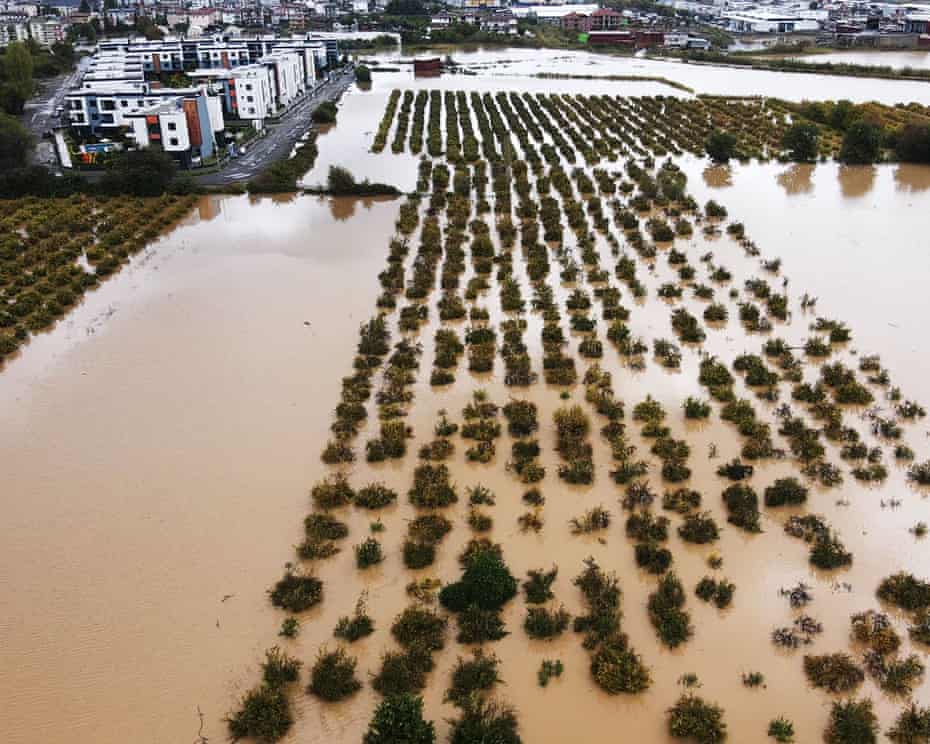
Severe flooding affected the Dalaman district of Muğla in south-western Türkiye following intense rainfall. Photograph: Durmus Genc/Anadolu/Getty Images
A low-pressure weather system moving across the region has created conditions favourable for intense thunderstorms, with central Greece and western Türkiye expected to receive between 100 and 150 millimetres of additional rainfall over the coming days. Some locations could record even higher amounts, increasing the risk of flash floods and other weather-related emergencies.
The warnings come after a deadly tornado struck Antalya, a coastal city in southwestern Türkiye, during an intense thunderstorm on Tuesday, October 27, killing four construction workers.
The combination of saturated ground, heavy downpours and powerful storm activity has placed communities in affected areas on alert as emergency authorities prepare for further disruption.
TORNADO KILLS FOUR CONSTRUCTION WORKERS IN ANTALYA
The tornado that struck Antalya on Tuesday caused a fatal incident at a construction site, where four workers lost their lives.
The incident occurred during a particularly intense thunderstorm that generated the tornado, highlighting the dangers posed by severe weather systems in the region.
The deaths have intensified concerns as meteorological forecasts indicate that thunderstorms and heavy rainfall are likely to continue affecting parts of Türkiye.
Antalya, which is an important tourism destination along the country's Mediterranean coast, has experienced severe weather conditions as the low-pressure system influences the wider region.
GREECE AND WESTERN TÜRKIYE FACE MORE HEAVY RAIN
Weather forecasts indicate that central Greece and western parts of Türkiye could receive 100 to 150mm of additional rain, with isolated areas potentially recording higher totals.
The expected rainfall could overwhelm drainage systems, cause rivers and streams to rise rapidly and trigger flash flooding, particularly in locations already affected by earlier storms.
Greece has experienced repeated episodes of severe rainfall and flooding in recent weeks. On October 28, torrential rain caused widespread damage in parts of the country, particularly in the Pelion peninsula and the island of Skiathos.
In the village of Platanias in southern Pelion, floodwaters swept through residential areas, inundating homes, businesses and roads. Some communities experienced serious access difficulties as overflowing streams disrupted movement.
More than 100mm of rainfall was recorded at several locations during the October 28 storm. Portaria recorded 111.6mm, while Zagora received 104.4mm and Skiathos recorded 102.2mm, according to meteorological measurements.
The latest warnings have raised fears that further rainfall could worsen conditions in areas still dealing with the aftermath of previous flooding.
FLOODING AND LANDSLIDES REMAIN MAJOR CONCERNS
The threat extends beyond flooded streets and damaged buildings. Intense rainfall can destabilise slopes, trigger landslides and make roads dangerous or impassable.
Mountainous and coastal communities are particularly vulnerable because water can move rapidly from elevated terrain into low-lying settlements.
In Türkiye, the expected continuation of thunderstorms has placed additional attention on western regions, where further rainfall could create difficult conditions for residents, motorists and emergency responders.
Authorities in both countries have urged people in affected areas to take weather warnings seriously and exercise caution as the storms develop.
CYCLONE ARNAB BRINGS DESTRUCTIVE WEATHER TO INDIA
The severe weather situation is not limited to southeastern Europe. In South Asia, Cyclone Arnab made landfall across the Indian states of Odisha and Andhra Pradesh, bringing destructive winds and heavy rainfall.
The storm generated wind gusts exceeding 85mph (approximately 137km/h), while rainfall totals surpassed 200mm in some locations.
More than 180,000 people were evacuated ahead of or during the cyclone's impact as authorities worked to reduce the risk to communities in vulnerable areas.
The storm also disrupted energy and transport infrastructure, creating challenges for residents and emergency services.
Although Cyclone Arnab is expected to weaken as it moves northwards, it is forecast to continue producing heavy rainfall across parts of northern and central India.
SUPER TYPHOON IN-FA THREATENS THE WESTERN PACIFIC
Meanwhile, Super Typhoon In-fa is carrying sustained winds of approximately 150mph, with gusts exceeding 185mph, as it moves through the western Pacific.
The storm is expected to spare Guam from its most severe impacts, although the Mariana Islands remain exposed to dangerous weather conditions.
The islands have already endured four super typhoons this year, making the latest system another significant threat to communities and infrastructure in the region.
TROPICAL STORM VANCE WEAKENS AFTER AFFECTING MEXICO
In the eastern Pacific, Tropical Storm Vance has weakened into a tropical depression after bringing heavy rainfall to western Mexico.
Despite its reduced strength, the system has left concerns about flooding, landslides, dangerous sea conditions and rip currents.
The continued rainfall could create further difficulties in areas where the ground is already saturated, while rough coastal conditions remain a danger to people near the sea.
The developments across Europe, Asia and the Pacific highlight the widespread impact of severe weather systems, with emergency authorities facing multiple threats ranging from flash floods and tornadoes to powerful tropical cyclones.