News
Germany Says US Troop Withdrawal ‘Foreseeable’ as Trump Signals More Military Cuts
Germany has described a potential reduction of United States military presence in Europe as “foreseeable” following fresh remarks by Donald Trump sugg...
By Wavers Multimedia
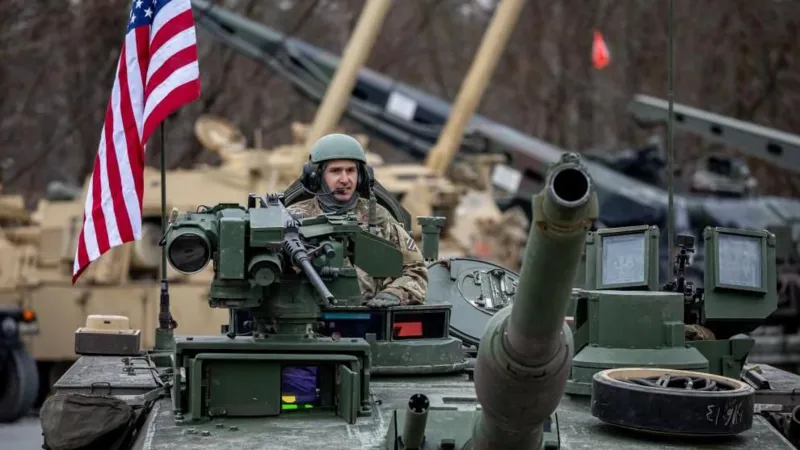
Speaking during recent discussions on defense spending and foreign policy priorities, Trump indicated that the U.S. may continue scaling back overseas military commitments as part of his long-standing “America First” agenda. The comments have reignited debate over the future of American troop deployments across Europe, particularly in Germany, which hosts one of the largest concentrations of U.S. forces outside the United States.
German officials acknowledged that shifts in American military strategy have been under discussion for some time and noted that any reduction in troop numbers would not come as a complete surprise. However, they emphasized the importance of continued cooperation within the NATO alliance and stressed that transatlantic security partnerships remain vital to regional stability.
Analysts say the possibility of further troop withdrawals could have major implications for European defense planning, especially at a time of heightened geopolitical tensions and ongoing security concerns in Eastern Europe. Some experts argue that a reduced American military footprint may push European nations to increase defense spending and strengthen independent military capabilities.
Supporters of troop reductions in the U.S. argue that American resources should be focused more heavily on domestic priorities and strategic competition in other regions. Critics, however, warn that significant cuts could weaken deterrence efforts and send uncertain signals to allies and adversaries alike.
The issue of military burden-sharing has remained a recurring point of tension between Washington and several European governments. Trump has repeatedly called on NATO members to contribute more toward defense expenditures, arguing that the United States has carried a disproportionate share of alliance costs for years.
As discussions continue, both American and European officials are expected to engage in further consultations regarding future defense arrangements and the long-term structure of U.S. military operations abroad.