World News
Funding Crisis Forces UN Agency to Withdraw Food Assistance From 500,000 Palestinians
As winter approaches in Gaza, hundreds of thousands of Palestinians are facing the loss of monthly food assistance after a funding crisis forced the U...
By Wavers News
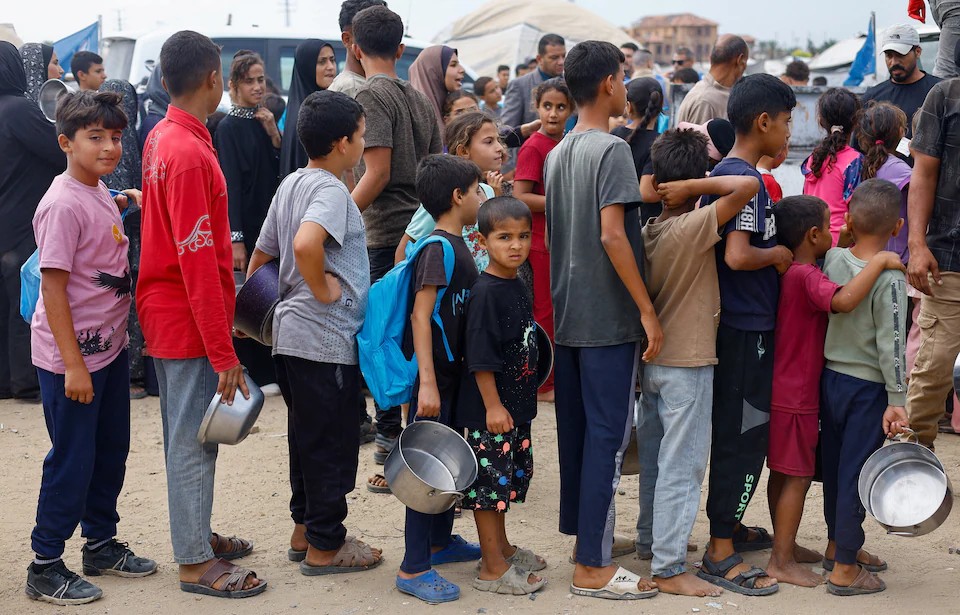
The decision affects approximately 500,000 people who have been relying on the agency for food support amid difficult living conditions. The reduction comes at a time when many families continue to struggle to afford basic necessities, while humanitarian organisations are under pressure to maintain essential services with limited financial resources.
FUNDING SHORTFALL FORCES REDUCTION IN AID
The WFP is reducing the number of people receiving monthly assistance in Gaza from approximately 1.6 million to 1.1 million. The change represents a significant reduction in the agency's reach, leaving many vulnerable households without the support they previously received.
The cuts also affect people who will continue receiving assistance. Food rations are being reduced, meaning some families will receive fewer supplies than before. The agency is also scaling back cash support and meals prepared through community kitchens.
Daily hot meal distribution is expected to fall from 250,000 meals to 150,000. In some areas that are difficult to reach, the frequency of meal distribution is being reduced, leaving residents with fewer opportunities to obtain prepared food.
FAMILIES FACE GREATER PRESSURE
For households with little or no regular income, humanitarian food assistance can be essential to meeting daily needs. Losing that support may force families to make difficult decisions about how to divide limited resources among household members.
The funding crisis also threatens to deepen existing food insecurity across the territory. Current estimates indicate that approximately 1.4 million people in Gaza are experiencing crisis-level food insecurity or worse, including about 200,000 people facing emergency conditions.
These figures highlight the scale of the challenge facing aid organisations as they attempt to protect vulnerable communities from worsening hunger.
The approaching winter adds another concern for displaced families living in inadequate shelter and struggling to secure food and other necessities.
WFP SEEKS $450 MILLION TO SUSTAIN OPERATIONS
The agency has appealed for additional international funding to maintain its humanitarian programmes in Gaza and the Israeli-occupied West Bank.
It estimates that approximately $450 million will be required over the next six months to sustain critical assistance.
Carl Skau, the WFP's acting executive director, has warned that living conditions in Gaza remain extremely difficult despite the ceasefire agreement reached in October 2025.
The agency is seeking to maintain the progress made in addressing hunger and support early recovery efforts. However, its ability to continue providing assistance depends heavily on securing sufficient financial resources.
HUMANITARIAN RESPONSE UNDER PRESSURE
The latest reductions illustrate the difficulties facing international aid organisations as they respond to emergencies in multiple parts of the world.
Although conditions in Gaza have changed since the ceasefire, humanitarian needs remain substantial. Food availability, affordability and access continue to affect families, particularly those without reliable sources of income.
For the hundreds of thousands of people losing monthly assistance, the immediate concern is how to replace the support they previously depended on.
Without additional funding, maintaining food distribution at the level required by vulnerable communities will remain a major challenge. The WFP's appeal therefore places renewed attention on the role of international donors in sustaining humanitarian operations and preventing further deterioration in food security.