News
FG Says ₦1.23tn Has Been Paid Towards ₦3.3tn Power Sector Debt
The Federal Government has announced that it has paid ₦1.23 trillion towards Nigeria’s outstanding ₦3.3 trillion power sector debt, as the administrat...
By Patience
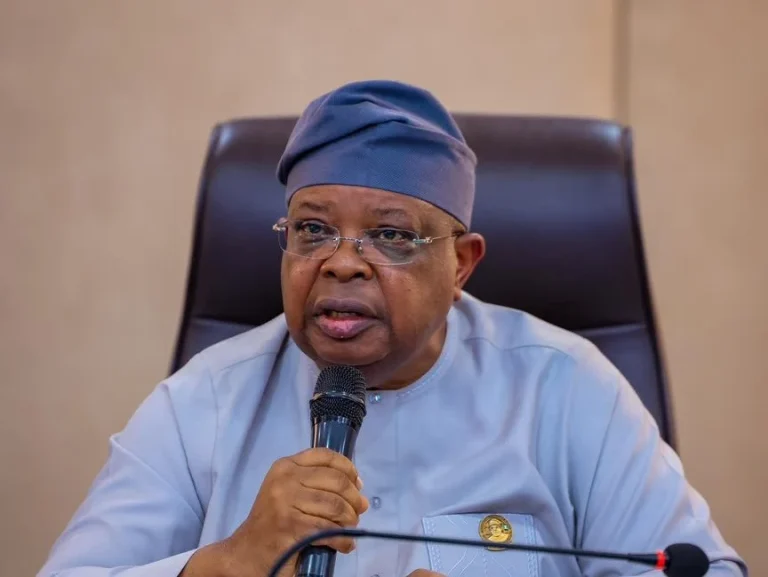
Minister of Power Joseph Tegbe disclosed the figure on Wednesday, October 28, 2026, while briefing State House correspondents after a Federal Executive Council meeting presided over by President Bola Tinubu in Abuja.
The minister said the payments were part of the government’s efforts to resolve longstanding financial obligations within the electricity industry, particularly debts affecting power generation companies and the supply of gas required to operate their plants.
The intervention is intended to improve liquidity across the electricity value chain, support generation companies’ operations and strengthen the country’s electricity supply system.
The announcement comes as Nigeria continues to grapple with persistent power supply challenges, including gas shortages, inadequate transmission infrastructure and financial difficulties affecting electricity market participants.
GOVERNMENT SEEKS TO ADDRESS POWER SECTOR DEBT
Nigeria’s electricity industry has accumulated substantial unpaid obligations over the years, placing pressure on companies responsible for generating electricity and supplying the gas needed by thermal power plants.
These financial difficulties have affected the ability of some operators to meet their obligations, maintain facilities and invest in improvements required to sustain electricity production.
Tegbe said the government had paid ₦1.23 trillion out of the estimated ₦3.3 trillion debt, describing the outstanding obligations as a significant challenge to the supply of feedstock gas to generating companies.
Based on the figures announced by the minister, approximately ₦2.07 trillion remains to be addressed if the full ₦3.3 trillion liability is used as the benchmark.
The government’s latest announcement represents part of a broader effort to improve the financial position of the electricity market and reduce the constraints affecting power generation.
The payment figure also comes amid the implementation of a government-backed settlement programme designed to address verified legacy liabilities accumulated across the power sector between February 2015 and March 2025.
Under the programme, the government adopted a negotiated settlement framework following a review of claims submitted by electricity market participants. The administration previously said the review reduced the claims from approximately ₦4.7 trillion to ₦3.3 trillion.
The settlement arrangement was designed to address eligible obligations through a phased financing structure rather than a single payment covering all outstanding claims at once.
GAS SUPPLY REMAINS A MAJOR CHALLENGE
Gas supply is a critical component of Nigeria’s electricity generation system because many of the country’s power plants depend on natural gas to produce electricity.
When generation companies cannot secure sufficient gas, their ability to produce electricity can be reduced, even when their plants are technically capable of operating.
Financial constraints within the electricity market can contribute to this problem when generating companies struggle to settle outstanding bills owed to gas suppliers.
The government’s debt payments are intended to ease some of these pressures and improve the flow of funds across the sector.
Addressing the outstanding obligations alone, though, may not resolve all the challenges affecting electricity supply. Gas infrastructure, commercial arrangements, generation capacity and the condition of the transmission network also influence how much electricity can be delivered to consumers.
The government is therefore pursuing financial measures alongside plans to improve infrastructure and strengthen the operation of the national grid.
FG TARGETS TRANSMISSION CAPACITY OF 19,000MW
Beyond the debt settlement, Tegbe announced plans to expand Nigeria’s electricity transmission capacity from approximately 5,000 megawatts to about 19,000 megawatts.
He said the government intended to build greater resilience into the national grid through targeted investment and expansion of transmission infrastructure.
Transmission networks carry electricity from generating stations to distribution companies, which then deliver it to homes, offices, factories and other consumers.
When transmission capacity is insufficient or infrastructure is unreliable, electricity generated by power plants may not be delivered efficiently to areas where it is needed.
Expanding the network is therefore an important part of efforts to improve the amount of electricity that can be transmitted across the country.
The proposed increase to 19,000MW would represent a substantial expansion from the current capacity cited by the minister. Achieving that target would require significant infrastructure development, coordinated investment and improvements across the wider electricity value chain.
The announcement did not provide a specific completion date for the proposed expansion or a detailed breakdown of the projects required to achieve the target.
DEBT SETTLEMENT FORMS PART OF WIDER POWER REFORMS
The Federal Government’s approach to the power sector includes efforts to address accumulated debts while improving financial discipline and the performance of electricity market operators.
President Tinubu previously approved a settlement programme for verified legacy debts owed to power generation companies. The government said the arrangement was intended to restore liquidity and improve confidence among companies operating in the electricity industry.
The programme involves phased payments linked to verification procedures and settlement agreements. Earlier government updates indicated that financing had been raised through bond issuances to support the settlement process.
The government has also pursued initiatives aimed at improving metering, reducing electricity losses and strengthening revenue collection by distribution companies.
These measures are important because the financial difficulties affecting the electricity market are interconnected. Weak revenue collection can limit the ability of distribution companies to meet their obligations, while unpaid bills can affect generating companies and gas suppliers.
Improving the flow of payments throughout the system is therefore a key part of the government’s efforts to create a more financially sustainable electricity market.
The latest ₦1.23 trillion payment figure announced by Tegbe indicates the scale of the intervention being reported by the government, although the remaining liabilities and the pace of subsequent payments will determine how quickly the settlement programme progresses.
WHAT THE ANNOUNCEMENT MEANS FOR ELECTRICITY CONSUMERS
The government’s debt settlement and transmission expansion plans are intended to improve the conditions needed for more reliable electricity supply.
If outstanding obligations are addressed and generating companies can secure the gas and resources required to operate their plants, the sector could become better positioned to sustain electricity production.
Additional transmission capacity could also help move electricity more effectively across the national grid.
For households and businesses, the ultimate measure of the programme will be whether these interventions translate into more dependable power supply.
Businesses that rely on electricity for manufacturing, retail operations, refrigeration and other commercial activities continue to face costs associated with unreliable supply, including spending on alternative power sources.
Improved electricity delivery could reduce some of these pressures and support industrial activity, although the benefits will depend on how effectively the government implements the debt settlement and infrastructure plans.
The minister did not announce an immediate nationwide improvement in electricity supply as a direct result of the payment. The debt settlement and proposed grid expansion remain part of broader efforts to address the structural challenges affecting the industry.
The government has yet to provide a specific timeline in the latest announcement for clearing the entire ₦3.3 trillion liability or completing the proposed transmission expansion to 19,000MW.
For now, the payment announcement signals continued government action on the sector’s financial problems, while the remaining debt and the delivery of planned infrastructure projects remain important issues to watch.