News
EFCC Arrests 15 Suspects Over Alleged Illegal Lithium Processing at Four Ogun Plants
The Economic and Financial Crimes Commission (EFCC) has arrested 15 people, comprising 14 Chinese nationals and one Nigerian, during an operation targ...
By Patience
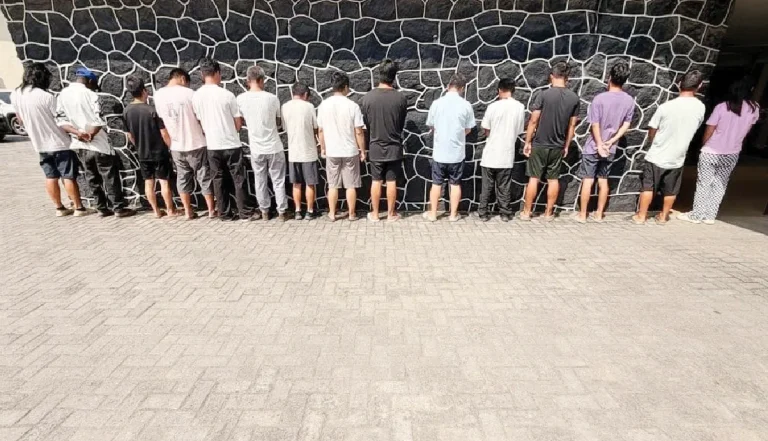
The suspects. Photo:EFCC
The arrests were made on Friday, October 23, 2026, by operatives attached to the commission’s Lagos Zonal Directorate 2, following what the agency described as credible intelligence and surveillance.
The operation resulted in the recovery of lithium-bearing rocks, mobile devices, computers and other items, including a trailer truck. The commission said investigations were ongoing and that the suspects would be taken to court after the conclusion of its inquiries.
The arrests represent another enforcement action involving suspected unauthorised activities in Nigeria’s solid minerals sector, which has attracted increasing attention as the country seeks to expand mineral development and domestic processing.
FOUR PROCESSING PLANTS UNCOVERED IN OGERE
According to the EFCC, its operatives raided four lithium-processing facilities in Ogere, a community in Ogun State, where the 15 suspects were apprehended.
The commission identified those arrested as 14 Chinese nationals and one Nigerian but did not publicly disclose their names or provide further details about their respective roles at the facilities.
The agency described the plants as illegal lithium-processing operations. It has not yet publicly explained the specific regulatory violations alleged against each facility or disclosed whether the suspects were involved in mining, transporting, processing or financing the operations.
The circumstances surrounding the establishment and ownership of the plants also remain unclear from the information released about the arrests.
The commission said the operation followed intelligence gathering and surveillance, suggesting that its operatives had conducted preliminary inquiries before moving against the facilities.
No further details were provided about how long the plants had been operating or the volume of lithium material they were processing.
LITHIUM ROCKS, 18 MOBILE DEVICES AND FOUR LAPTOPS RECOVERED
The EFCC listed several items recovered during the operation.
They included bags of lithium rocks, 18 mobile devices, four computer laptops, two decoders, a television remote control and a trailer truck.
The agency did not disclose the quantity or estimated value of the recovered lithium-bearing material. It also did not provide details about the contents of the electronic devices or indicate whether the items had already undergone forensic examination.
The recovered materials may form part of the ongoing investigation, but the commission has not publicly explained the evidential significance of each item.
The trailer truck was among the largest items listed in the recovery inventory. The agency did not specify who owned the vehicle or how it was allegedly connected to the processing operations.
Further details about the recovered materials and the activities at the facilities may emerge as investigators continue their work.
EFCC SAYS SUSPECTS WILL FACE COURT PROCEEDINGS
The commission said the suspects would be charged in court after investigations had been completed.
As of the announcement, no court arraignment or conviction had been reported in connection with these particular arrests.
The suspects therefore remain subject to the investigation process, and the allegations against them have not been established through a court judgment.
The EFCC has not released a detailed account of the specific offences it intends to pursue against the individuals or the companies potentially associated with the facilities.
It also remains unclear whether additional arrests will follow or whether investigators are examining other locations connected to the operation.
The next stage will depend on the findings of the investigation and the evidence available to support any charges brought before a court.
WHY LITHIUM PROCESSING MATTERS TO NIGERIA
Lithium is an important mineral in the production of rechargeable batteries used in electric vehicles, mobile phones, computers and energy-storage systems.
Growing global demand for battery materials has increased commercial interest in lithium deposits, including those found in Nigeria. The mineral is viewed as one of the resources that could support the country's efforts to develop its solid minerals industry and reduce dependence on crude oil.
Processing lithium within Nigeria can also create opportunities for local industrial activity, investment, employment and the development of supporting infrastructure.
The economic benefits depend on operations complying with applicable mining, environmental, business and other regulatory requirements. Unauthorised activities can undermine regulatory oversight and make it more difficult for authorities to monitor how mineral resources are extracted, transported and processed.
The EFCC's operation in Ogere comes amid broader enforcement efforts against suspected illegal mining and mineral-related activities. The specific circumstances of the four plants, including their ownership, licensing status and sources of raw materials, have not yet been fully disclosed.
It would therefore be premature to draw conclusions about the involvement of particular companies or the extent of any alleged violations before investigators provide further information.
INVESTIGATION REMAINS ONGOING
The EFCC has confirmed the arrest of 15 suspects and the recovery of several items from four lithium-processing plants in Ogun State.
The commission has not yet disclosed the identities of those arrested, the quantity of lithium recovered, the estimated financial value of the operation or the full details of the suspected offences.
The agency's stated plan is to conclude its investigation before charging the suspects in court.
The case could provide further information about the activities taking place at the facilities and the regulatory issues surrounding their operations. For now, the confirmed details remain the arrests, the location of the four plants, the items recovered and the EFCC's intention to pursue court proceedings after its investigation.