International
China’s Farmers’ Harvest Festival Highlights Agricultural Progress and Rural Vitalization
China is preparing to celebrate its ninth Farmers’ Harvest Festival with a nationwide programme highlighting agricultural achievements, rural developm...
By Wavers News
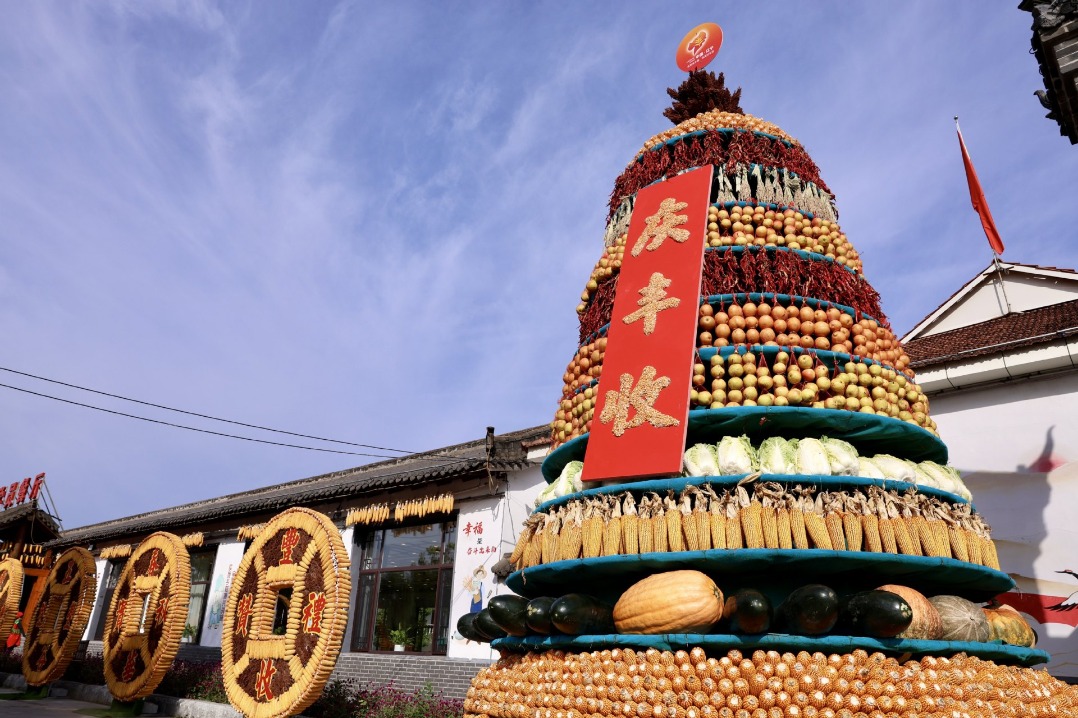
The festival, which falls on the Autumn Equinox, will feature 47 key events as well as numerous activities organized locally across the country. The main national venue will be in Dongjiao village in Zaoyang city, Hubei province.
Officials said China’s agricultural performance this year has provided a strong foundation for a bumper harvest. Summer grain production increased, early rice output remained stable, while the area planted with autumn grain expanded and crop growth has generally remained normal.
A number of policies and support initiatives aimed at benefiting farmers will also be introduced during the festival as part of efforts to strengthen agricultural and rural development.
The celebrations will combine traditional farming knowledge with modern rural culture through cultural exhibitions, international academic seminars and activities promoting rural civility.
The festival will also focus on creating what officials describe as a “harvest economy”, with a golden autumn consumption season featuring new forms of markets and activities that bring together agriculture, commerce, culture, tourism and sports.
Over the past eight years, the Farmers’ Harvest Festival has developed from a simple celebration into a major national event recognizing the importance of farmers and agriculture in China.
Dongjiao village, the main venue for this year’s national celebration, was highlighted as an example of rural revitalization. The village has developed through the integration of agriculture and tourism, with high-quality farmland, peach orchards and aquaculture ponds contributing to its transformation.
Authorities in Zaoyang plan to use the attention generated by the festival to support longer-term rural development. Their plans include directing visitors toward local specialty industries, turning festival facilities into permanent service platforms and using the event to promote wider regional revitalization.
The festival therefore serves not only as a celebration of the year's agricultural achievements but also as a platform for promoting rural industries, supporting farmers and encouraging continued development in China's countryside.