International
China Intensifies Rescue Efforts After Deadly Xizang Mudslide
Chinese authorities have intensified search, rescue and recovery operations in Xizang following a devastating mudslide that struck the Gyirong border ...
By Wavers Multimedia
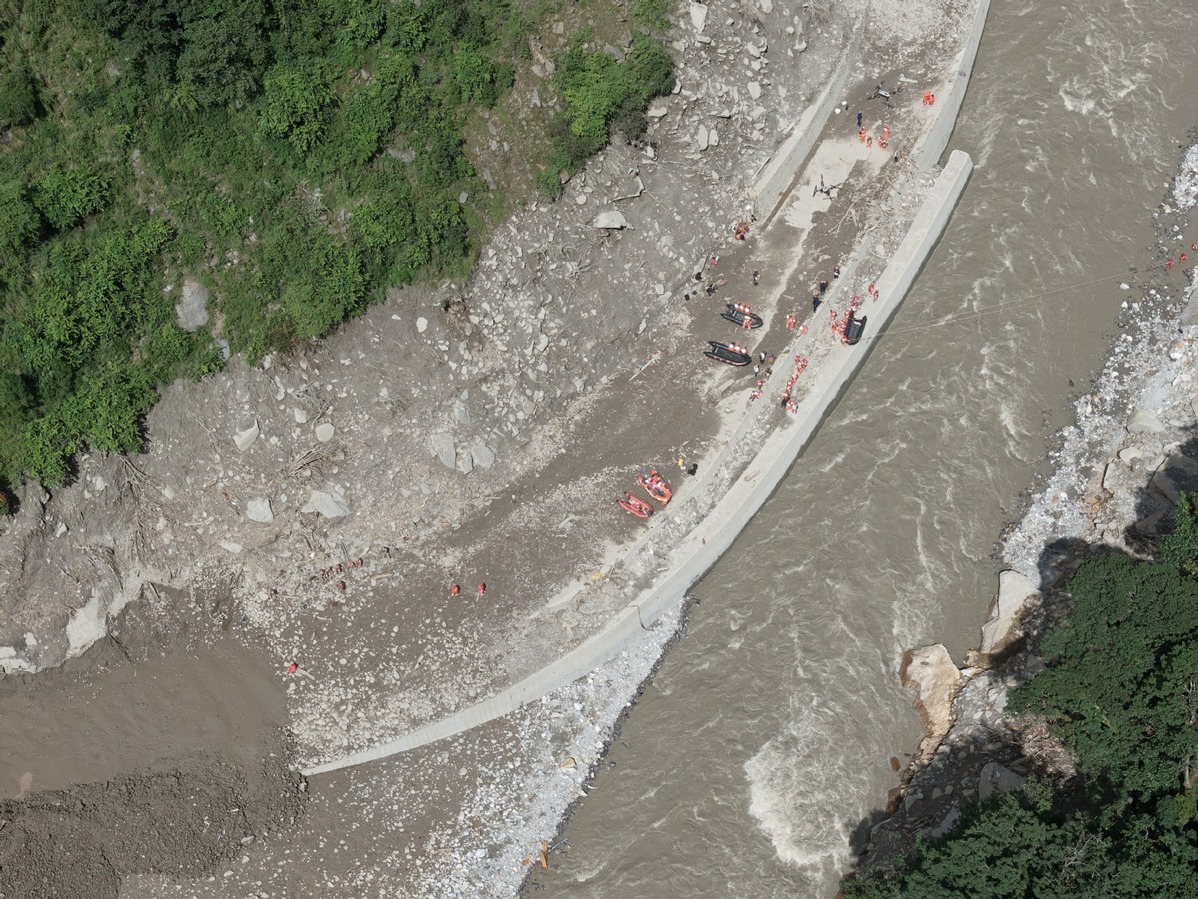
The latest figures released by regional emergency authorities show that seven people have died and 554 remain missing, while two local villagers have been rescued. The disaster occurred on Wednesday after a mudslide originating on the Nepalese side of the border reached Gyirong Port in southwest China's Xizang autonomous region.
The scale of the disaster has prompted a large-scale emergency response, with authorities focusing on locating missing people, restoring damaged infrastructure and preventing further hazards in the mountainous area.
More than 2,000 rescuers deployed
A total of 2,141 rescue workers and 86 specialists from natural resources and other relevant fields have been deployed to the affected area.
Specialist teams are inspecting surrounding slopes, roads and other vulnerable locations for signs of geological instability that could threaten rescuers or nearby communities.
Authorities have also established a five-person monitoring post to keep a barrier lake under constant observation because of the possibility of secondary disasters.
Rescue teams push deeper into affected areas
Rescue operations have continued in difficult terrain as teams move further into the areas most severely affected by the mudslide.
Excavators and other specialised equipment are being used to clear debris and reopen access routes. Rescue personnel are also carrying out searches in areas where vehicles and other objects were swept away by the force of the disaster.
The difficult terrain, damaged roads, disrupted utilities and the possibility of further geological hazards have made the operation particularly challenging.
Despite the conditions, search teams are maintaining continuous operations in an effort to locate people who remain missing.
Road and power infrastructure being restored
Restoring access to the disaster zone has become a major part of the emergency response.
Authorities said 1.02 kilometres of road had been cleared and reopened, while additional engineering teams were working to restore routes leading towards Gyirong Port.
Power and communications infrastructure are also being reinforced to ensure that rescue teams can maintain communications and operate equipment at the affected locations.
More than 100 power-repair personnel and emergency power units have been deployed as part of efforts to strengthen electricity and communication services in the area.
Authorities warn of secondary disasters
The possibility of further landslides and other hazards remains a major concern.
The mountainous environment, unstable slopes, rainfall and the presence of a barrier lake have increased the risks facing both residents and rescue workers.
Monitoring teams are therefore keeping watch over the affected areas while geological specialists assess the surrounding terrain.
The authorities have stressed that rescue operations must continue while ensuring the safety of personnel working in the disaster zone.
For now, the main priority remains finding those still missing, supporting affected residents and restoring access to the border port.
With hundreds of people still unaccounted for, rescue teams are continuing to work through the debris and difficult terrain in the hope of locating more survivors.