International
Bomb Threat Forces Aer Lingus Flight from Dublin to Rome to Divert to French Military Airbase
An Aer Lingus passenger aircraft travelling from Dublin to Rome was diverted to a French military airbase on Thursday, November 5, after a bomb threat...
By Wavers News
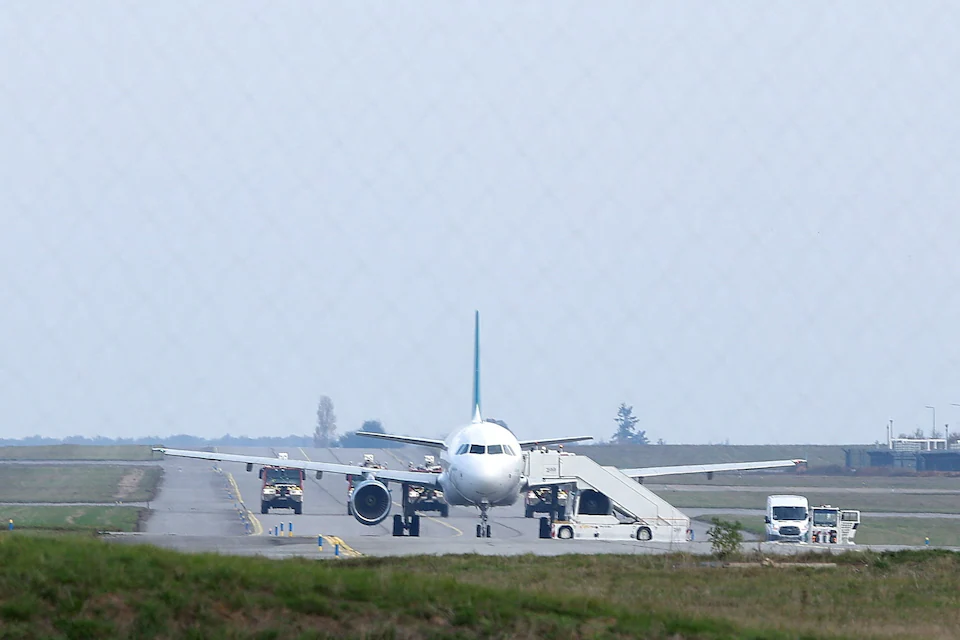
An Aer Lingus Airbus A320 passenger aircraft that was diverted to a French military airbase following a bomb threat while travelling from Dublin to Rome. (Photograph: Reuters)
The Airbus A320, operating as flight EI402, landed safely at Évreux-Fauville Air Base in Normandy, northern France, after being redirected from its original route.
The aircraft was carrying 151 passengers and six crew members. Following its arrival, everyone on board was moved to a secure location while bomb disposal specialists began examining the plane.
French Prime Minister Sébastien Lecornu's office confirmed that the alert was being monitored in real time, while the country's defence authorities coordinated the security response.
Aer Lingus said the diversion was made as a precaution and confirmed that the aircraft had landed safely. The airline also said it would make arrangements to help affected passengers continue their journeys to Rome.
AIRCRAFT DECLARES EMERGENCY AND CHANGES COURSE
Flight EI402 departed Dublin Airport early Thursday morning, bound for Rome's Fiumicino Airport.
Flight-tracking information showed the aircraft changing direction near Paris before circling over the Évreux area. The plane had declared an in-flight emergency before landing at the French military facility.
The decision to divert the aircraft followed the bomb alert, prompting authorities to direct it away from its intended destination to a location where security teams could respond.
France's air force also dispatched aircraft after the threat was reported, according to the country's defence authorities.
The passengers and crew were taken to safety after landing, while specialists carried out checks to determine whether any explosive device was present.
As of Thursday, authorities had not announced that an explosive device had been discovered.
PART OF A WIDER SERIES OF SECURITY ALERTS ACROSS EUROPE
The incident occurred amid a growing number of bomb threats targeting passenger flights across Europe.
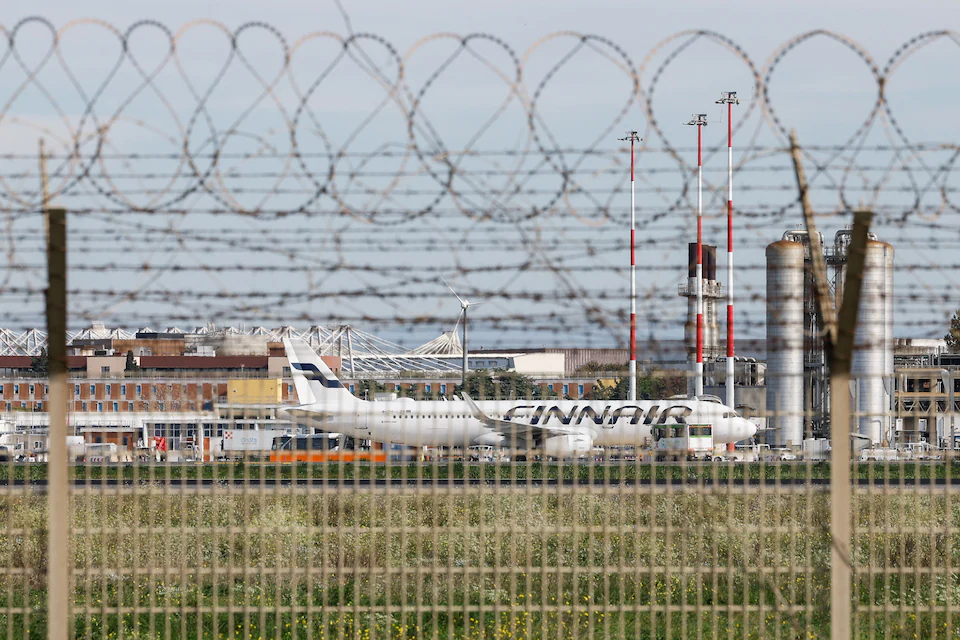
At least 25 flights were affected by reported threats on Thursday, with several airlines experiencing diversions, emergency procedures and additional security inspections.
The alerts involved aircraft travelling to or from countries including France, Italy, Spain, Bulgaria, Poland, Denmark, Austria and the Czech Republic.
Some planes were escorted by military aircraft, while airport authorities carried out searches of aircraft, luggage and passenger areas.
The latest incidents followed another wave of threats reported on Tuesday, November 3, when at least seven flights and a cruise ship were targeted.
Those earlier alerts disrupted operations at several airports, but inspections did not uncover explosive devices.
AUTHORITIES INVESTIGATE POSSIBLE COORDINATED DISRUPTION
The repeated threats have raised concerns about whether the incidents could form part of a wider campaign intended to disrupt European transport networks.
Security specialists have suggested that repeated false alerts could be used to test how airlines, airports and government agencies respond to potential emergencies.
The incidents have also drawn attention because they have occurred alongside reports of cyberattacks and other disruptions affecting essential services in parts of Europe.
Some security analysts have raised the possibility of hybrid warfare, a term used to describe operations that combine different methods of disruption, including cyberattacks, sabotage and information campaigns.
Nevertheless, European authorities have not publicly established who is responsible for the latest threats or confirmed that the incidents are connected.
There has been no confirmed attribution to any government or organisation.
AIR TRAVEL DISRUPTION CONTINUES AS INVESTIGATIONS PROCEED
The latest alerts have placed additional pressure on airlines and airport security teams, which must treat reported threats seriously even when their credibility has not been established.
Each incident requires an assessment of the available information, with authorities deciding whether an aircraft should divert, remain on the ground or undergo further inspection.
For Aer Lingus passengers travelling on flight EI402, the immediate priority was reaching safety and receiving assistance with onward travel.
The airline said it would work to accommodate customers on alternative arrangements to their final destination.
Investigations into the threats remain ongoing, as European security agencies seek to establish whether the incidents are isolated hoaxes or part of a coordinated effort to disrupt aviation operations.