World News
Autistic Queensland Man Challenges Australia’s Driving Standards in Human Rights Complaint
A Queensland man with autism has lodged a human rights complaint challenging the way autism is addressed in Australia’s national fitness-to-drive stan...
By Wavers News
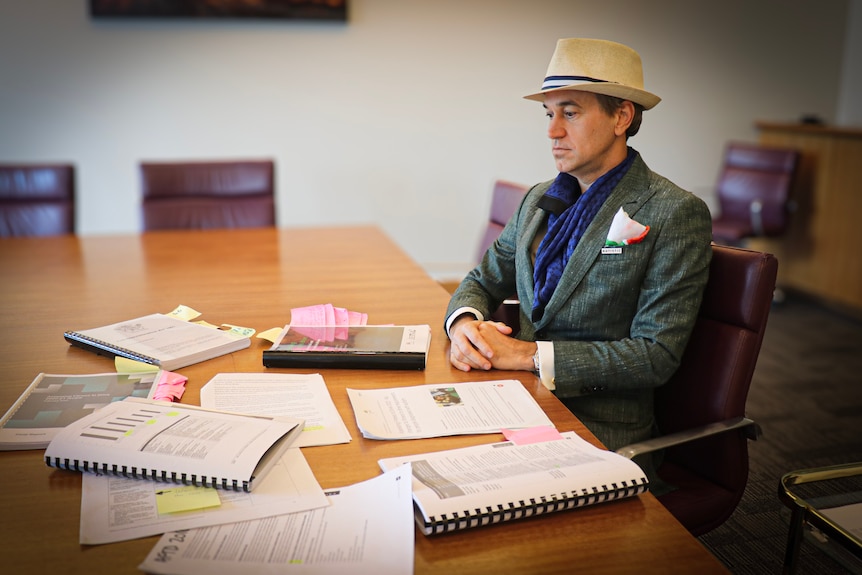
Casey Archbald, who has held a driver’s licence for about 30 years without driving-related problems, says the inclusion of autism in the national guidelines is discriminatory and should be reconsidered.
Archbald lodged his complaint with the Queensland Human Rights Commission against the Queensland Department of Transport and Main Roads earlier this year.
Why Archbald Is Challenging the Standards
Archbald became aware that autism was included in the national driving standards after learning more about how the condition is addressed in Australia's fitness-to-drive framework.
He subsequently obtained a medical assessment from his general practitioner, who determined that he was capable of driving.
Archbald said he nevertheless had to pay a $65.10 gap fee for the assessment and wants the rules surrounding autism and driving reviewed.
He argues that autism should not, by itself, be treated as an indication that someone may be unsafe behind the wheel.
Autism Was Added to the Guidelines in 2022
Autism was added to Australia's national fitness-to-drive guidelines in the 2022 edition under the section covering neurodevelopmental conditions.
Australia's national Assessing Fitness to Drive standards are used by doctors and transport authorities when considering whether medical conditions could affect a person's ability to drive safely.
A review conducted before the latest edition found that there was not enough evidence to establish a specific motor vehicle crash risk associated with autism. It also noted the wide variation in characteristics and severity among autistic people.
Authorities Say an Autism Diagnosis Alone Does Not Make Someone Unsafe to Drive
The National Transport Commission said an autism diagnosis by itself does not determine whether a person can drive safely.
An adult licence holder, learner or novice driver diagnosed with autism is not required to report the diagnosis to a licensing authority unless symptoms are likely to affect their ability to drive safely.
The national standards are developed by the National Transport Commission and Austroads and are reviewed every four to five years.
The next review is already underway, with stakeholder submissions closing in July 2026 and the process expected to be completed by March 2028.
Expert Questions the Inclusion of Autism
University of Wollongong Associate Professor Amanda Webster, who researches inclusive learning for people on the autism spectrum, questioned the basis for treating autism as a condition that could raise concerns about driving ability.
She said there was no single characteristic common to autism that would necessarily indicate impaired driving ability, while acknowledging that individual circumstances can differ.
She also pointed to research focused on helping autistic people learn to drive through appropriate instruction and support.
Queensland Drivers Still Have to Meet Medical Fitness Requirements
Queensland's Department of Transport and Main Roads said drivers have a legal responsibility to be medically fit to drive.
The department said people must notify authorities about a long-term or permanent medical condition when it is likely to adversely affect their ability to drive safely.
The state's requirements operate alongside the national fitness-to-drive standards.
Human Rights Complaint Remains Under Consideration
Archbald said he is still waiting for the outcome of his complaint, which was lodged in May.
The Queensland Human Rights Commission confirmed that it receives complaints under the state's anti-discrimination framework but said it could not comment on the circumstances or status of individual complaints.
Archbald wants autism removed from the driving guidelines and says he believes the standards should be based on stronger evidence about actual driving ability rather than an autism diagnosis alone.
The case comes as Australia's national driving standards undergo another review, creating an opportunity for autism advocates and other stakeholders to contribute to how neurodevelopmental conditions are considered in future editions.