Sports
ASIAN GAMES OPEN IN NAGOYA AS JAPAN BEGINS 2026 CONTINENTAL SPORTING SHOWCASE
The 20th Asian Games officially opened in Nagoya, Japan, on Saturday, September 19, bringing athletes and officials from across Asia together for the ...
By Wavers Multimedia
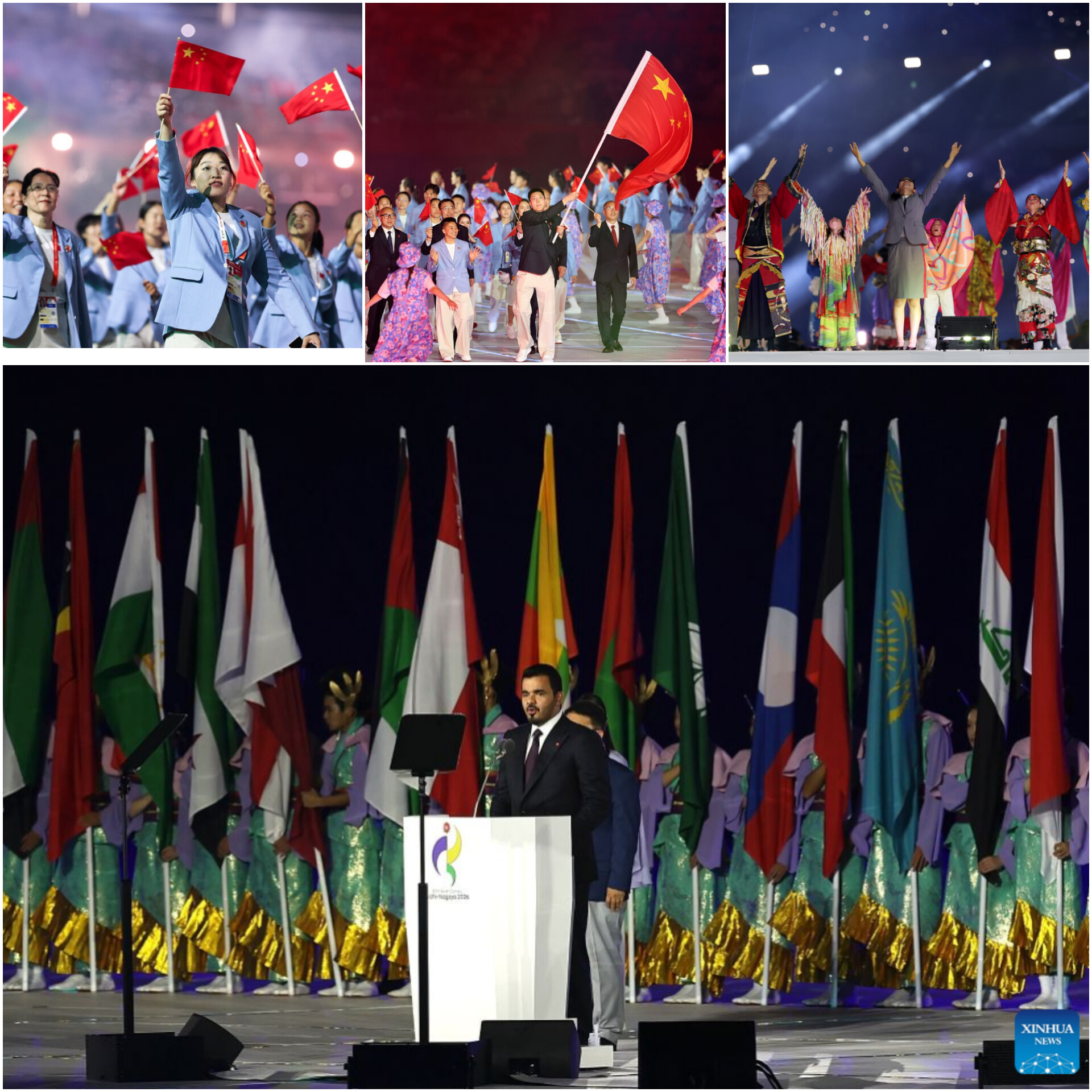
The opening ceremony at Mizuho Park Athletic Stadium marked the formal beginning of the Aichi-Nagoya Games, which will run until October 4. Emperor Naruhito officially declared the Games open as delegations took part in the parade of nations and regions.
The ceremony came after weeks of preparations that faced several logistical challenges, including accommodation difficulties, transportation delays and heavy rainfall in the Nagoya area.
A DIFFERENT APPROACH TO ATHLETE ACCOMMODATION
Unlike many previous editions of the Asian Games, organisers did not construct a traditional athletes' village for the event.
Instead, participants are being accommodated across existing hotels, an Italian cruise ship and temporary container-style facilities.
The arrangement was intended to control costs and avoid leaving behind large facilities with limited use after the Games. However, the number of participants increased beyond the organisers' original expectations.
Organisers initially planned for about 15,000 athletes and officials, but the final number approached 17,000 after additional sports were included.
The increase contributed to difficulties with room allocations and accreditation procedures in the days leading up to the opening.
DELEGATIONS REPORT DELAYS AND LOGISTICAL PROBLEMS
Some athletes and officials reported long waits during registration and difficulties getting to their assigned accommodation.
There were also reports of problems involving room assignments and transportation, while some delegations made alternative arrangements to deal with accommodation pressures.
Japan's Olympic Committee had prepared backup hotel rooms as a contingency, while India's delegation also made additional arrangements for some of its athletes.
The Olympic Council of Asia has defended the overall accommodation strategy, saying the priority was to ensure participants had suitable places to stay while avoiding unnecessary infrastructure that could become underused after the Games.
HEAVY RAIN ADDED TO THE PRE-GAMES PRESSURE
The build-up was also affected by severe rainfall in Nagoya.
Heavy rain previously caused evacuations in parts of the city and resulted in water entering some Games facilities. Transportation was also disrupted during the period of bad weather.
Despite those difficulties, organisers proceeded with the opening ceremony as scheduled on Saturday.
43 SPORTS TO FEATURE ACROSS THE GAMES
The Aichi-Nagoya Games feature competition across 43 sports, with athletes from 45 countries and regions participating.
The programme includes both established Asian Games events and newer additions, while some competitions began before the formal opening ceremony because of the packed schedule.
The event is also being staged across multiple locations rather than being confined to a single compact Games site, with competitions taking place in Aichi and other parts of Japan.
OPENING CEREMONY TURNS ATTENTION BACK TO SPORT
With the Games officially underway, the focus now shifts from the organisational difficulties of the build-up to the competition itself.
The opening ceremony featured music, dance, the parade of delegations and fireworks, providing a formal start to an event organisers hope will bring athletes and spectators together across the continent.
The first medals of the Games are expected to be awarded as competition continues on Sunday, with athletes competing through October 4.