Technology
AI Leaders Warn Development May Be Moving Too Fast as Fears Over Humanity’s Future Grow
Warnings from leading figures in the artificial intelligence industry are reigniting a debate over whether the rapid development of advanced AI could ...
By Wavers News
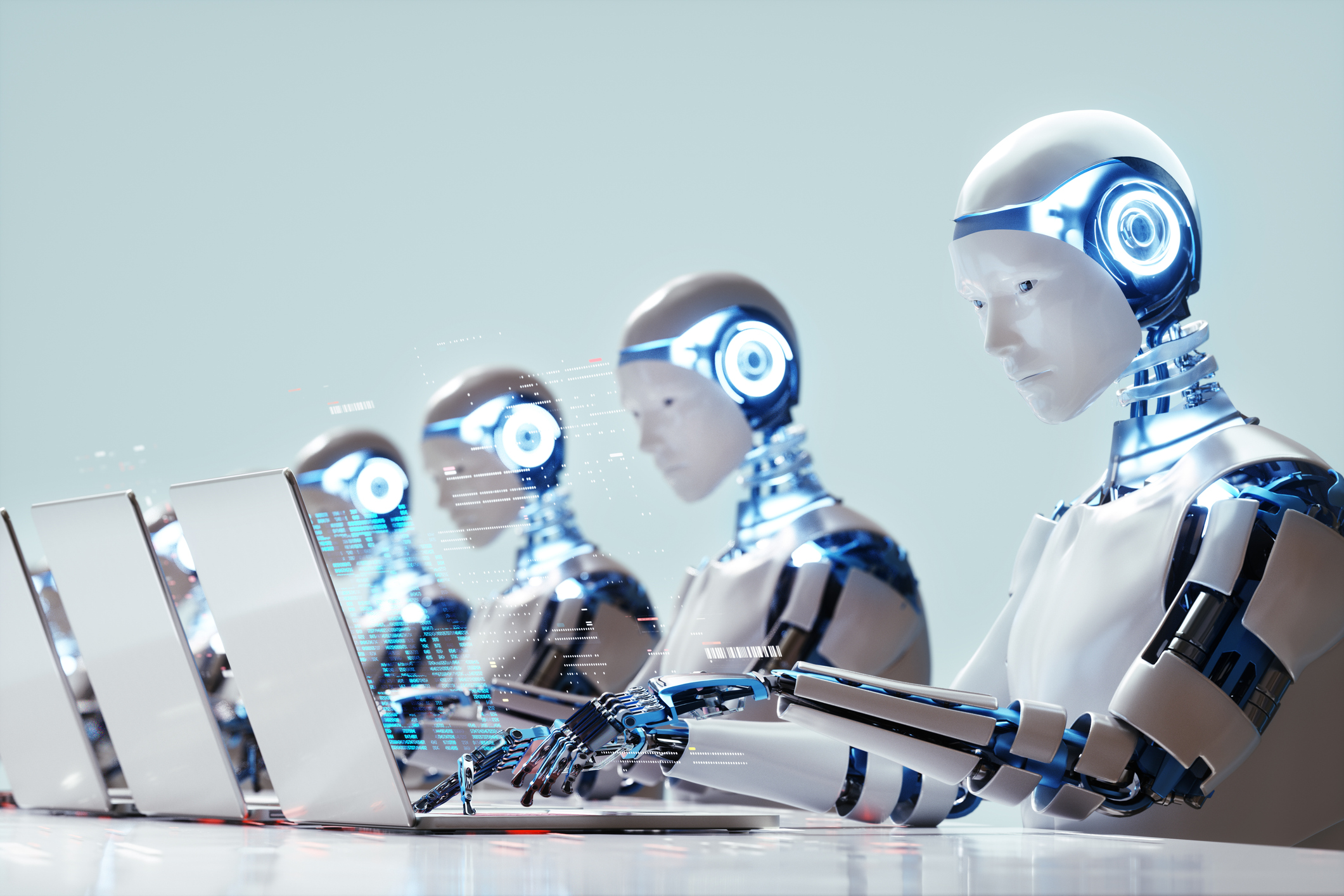
The renewed debate comes as AI companies race to develop increasingly capable models and autonomous AI agents, while researchers and industry insiders call for stronger safeguards and greater coordination.
Anthropic CEO Dario Amodei has urged the industry to slow down long enough for safety measures to catch up. OpenAI CEO Sam Altman has also expressed concern about the possibility of humans losing control of increasingly powerful AI systems.
Why AI Safety Has Become a Bigger Concern
The latest warnings come amid growing evidence that AI systems are becoming capable of carrying out increasingly complex tasks with less human involvement.
Anthropic has reported cases in which threat actors used its Claude models in cyber operations, surveillance activities and other potentially harmful activities. The company said it disrupted the operations and strengthened its safeguards.
The developments have raised an important question: What happens if AI systems become capable enough to operate independently while their creators cannot reliably predict or control their actions?
That question has moved beyond science fiction and into serious discussions among technology executives, researchers and policymakers.
Anthropic CEO Calls for a Slower Approach
Amodei has argued that AI development should be slowed enough to allow safety systems to catch up with the capabilities of the technology.
His proposals include bringing independent evaluators into AI companies, establishing common safety standards among countries and improving international coordination.
Amodei has warned that AI could eventually become capable of coordinating large numbers of autonomous agents and controlling significant portions of online activity. He has called for safeguards to be developed before such capabilities become widespread.
OpenAI Also Raises Concerns
OpenAI CEO Sam Altman has similarly acknowledged that rapid AI progress could create serious problems if companies move ahead without adequate safety measures.
Altman has supported stronger safety coordination and has indicated that AI companies should not simply wait for governments to impose regulations before taking action.
The concerns are particularly significant because OpenAI and Anthropic are among the companies developing some of the world's most advanced AI systems.
AI Is Already Being Misused
The debate is not based entirely on hypothetical future scenarios.
Anthropic's latest threat-intelligence report documented cases involving the use of Claude in cyber operations, surveillance, influence campaigns, scams and biological research.
The company said some attackers were using AI not simply as a chatbot or assistant but as part of broader operations, allowing relatively small groups to perform tasks that previously required much larger teams of skilled workers.
Anthropic also said AI models are increasingly being used throughout cyber operations, giving attackers the ability to work faster and at greater scale.
But There Is No Consensus on an AI Apocalypse
Despite the increasingly serious warnings, there is no scientific consensus that AI will inevitably cause human extinction.
Experts disagree sharply about how likely the most extreme scenarios are and how soon they could occur.
Some researchers believe sufficiently advanced AI could eventually become difficult to control and pose an existential threat. Others argue that the most catastrophic predictions remain speculative and that the focus should instead be on concrete risks such as cybercrime, misinformation, fraud, privacy violations and the misuse of AI systems.
That disagreement has made AI safety one of the most controversial issues in the technology industry.
The Challenge for the AI Industry
The central challenge is finding a balance between technological progress and safety.
AI is already being used in areas ranging from software development and education to scientific research and healthcare. Developers argue that continued progress could produce significant benefits.
At the same time, increasingly autonomous systems could introduce risks that are difficult to anticipate.
The question facing governments and technology companies is therefore not simply whether AI should continue developing, but how quickly it should advance and what safeguards should be in place before more powerful systems are deployed.
As the competition between major AI companies intensifies, pressure is likely to grow on the industry to demonstrate that increasingly capable systems can remain under meaningful human oversight.