United States
US Supreme Court Agrees to Review Dispute Over Access to Elon Musk’s DOGE Records
The United States Supreme Court has agreed to hear a legal dispute over whether the Department of Government Efficiency (DOGE), an initiative establis...
By Wavers News
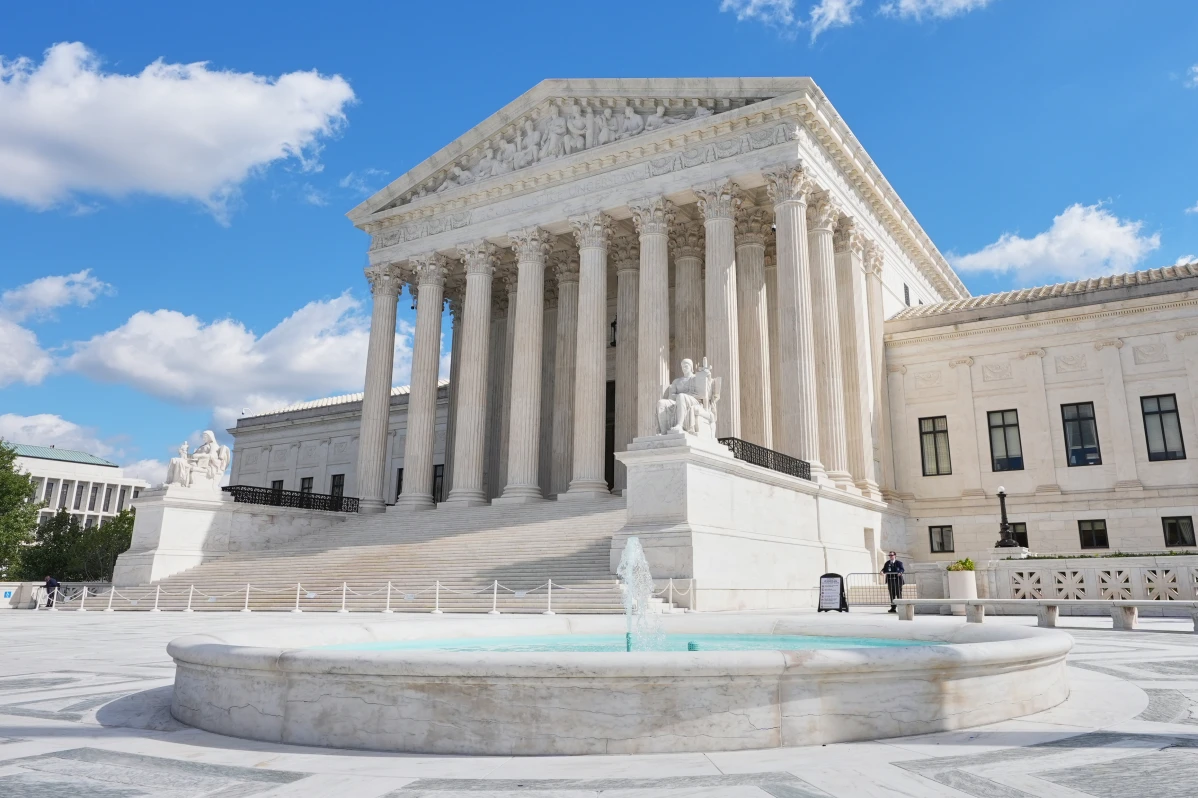
The US Supreme Court building in Washington, D.C., where justices are considering a legal dispute over public access to records held by the Department of Government Efficiency.
The decision, announced on Tuesday, October 13, 2026, follows a request by the Trump administration for the court to review a lawsuit brought by Citizens for Responsibility and Ethics in Washington (CREW), a government watchdog organisation seeking access to records from DOGE’s early operations during Trump’s second term.
The case centres on whether DOGE qualifies as a federal agency subject to the Freedom of Information Act (FOIA), which allows the public to request records held by government agencies. The administration argues that DOGE functions as a presidential advisory body and is therefore exempt from the law’s disclosure requirements.
The Supreme Court’s decision to hear the case does not settle that question. Instead, it opens another stage in a legal dispute over the boundaries between government transparency and the president’s ability to receive confidential advice.
WHY THE WATCHDOG GROUP WANTS THE RECORDS
CREW filed its records requests in January 2025, seeking information about the United States DOGE Service, including organisational charts and financial disclosures.
The organisation argues that DOGE exercised substantial independent authority across the federal government while helping implement the administration’s plans to restructure government operations.
CREW maintains that the public should be able to examine records that shed light on how the initiative operated, how it was organised and how it carried out its responsibilities.
The administration has declined to process the request directed at DOGE, arguing that the initiative is part of the presidential advisory structure rather than a federal agency covered by FOIA.
The dispute has consequently focused not simply on which documents should be released, but on whether the law applies to DOGE in the first place.
HOW THE CASE REACHED THE HIGHEST COURT
The lawsuit has already been considered by a federal district court and an appeals court.
US District Judge Christopher Cooper ruled in CREW’s favour, finding that the organisation had grounds to argue that DOGE was subject to FOIA. He ordered the government to process its records request on an expedited basis.
An appeals court panel also ruled in favour of CREW, allowing the case to proceed.
The Trump administration challenged that outcome, arguing that the appeals court had not adequately considered the separation of powers and the need to protect the confidentiality of presidential advisers.
Government lawyers also objected to an order allowing CREW to seek sworn testimony from DOGE acting administrator Amy Gleason.
The administration subsequently asked the Supreme Court to intervene and review the dispute.
SUPREME COURT HAD PREVIOUSLY INTERVENED
The Supreme Court has dealt with the dispute before.
In June 2025, the justices limited an earlier order requiring the government to produce DOGE-related records. The court concluded that parts of the lower court’s order were too broad, particularly where they could require disclosure of internal executive branch recommendations and information about whether those recommendations were followed.
That earlier intervention did not resolve the underlying question of whether DOGE is subject to FOIA.
The latest decision brings the broader legal issue back before the justices, following further proceedings in the lower courts.
The Supreme Court will now consider the administration’s challenge to the decisions allowing CREW’s records request to move forward.
THE ADMINISTRATION’S ARGUMENT
The Trump administration maintains that DOGE should be treated as a presidential advisory body rather than an independent federal agency for the purposes of FOIA.
Its lawyers argue that subjecting presidential advisers to extensive disclosure demands and legal discovery could interfere with the president’s ability to receive confidential advice and make executive decisions.
The administration has also argued that the lower courts failed to give sufficient weight to constitutional separation-of-powers concerns.
These arguments form a central part of its effort to prevent the records request from proceeding under the legal framework CREW has invoked.
CREW ARGUES THAT PUBLIC ACCOUNTABILITY IS AT STAKE
CREW disputes the administration’s position and says the lower courts correctly considered the nature and extent of DOGE’s authority.
The organisation argues that DOGE’s role in carrying out changes across the federal government raises questions that the public has a legitimate interest in examining.
Its legal position is that the initiative’s actual responsibilities and powers matter when determining whether it falls within the scope of federal public-records law.
The case therefore places two competing considerations before the court: the public’s ability to obtain information about government operations and the executive branch’s claim that presidential advisory work requires protection from certain disclosure demands.
WHAT THE COURT’S DECISION MEANS
The Supreme Court’s agreement to hear the case is not a final ruling that DOGE is subject to FOIA, nor is it an order requiring the immediate release of the requested records.
The justices must still consider the legal arguments before deciding the dispute. Until then, the question of whether DOGE must process CREW’s records request remains unresolved.
The case could have wider implications for how future presidential advisory bodies are treated under federal transparency laws, particularly when they play a substantial role in government operations.
It also highlights the continuing legal debate over the extent to which the courts can examine the activities of executive branch initiatives while respecting the constitutional responsibilities of the presidency.