UK NEWS
UK COMMITS £17 MILLION TO REPAIR CHORNOBYL NUCLEAR PLANT AFTER DRONE STRIKE
Britain has announced £17 million in new funding to support repairs at Ukraine's Chornobyl nuclear power plant after a Russian drone strike damaged t...
By Wavers News
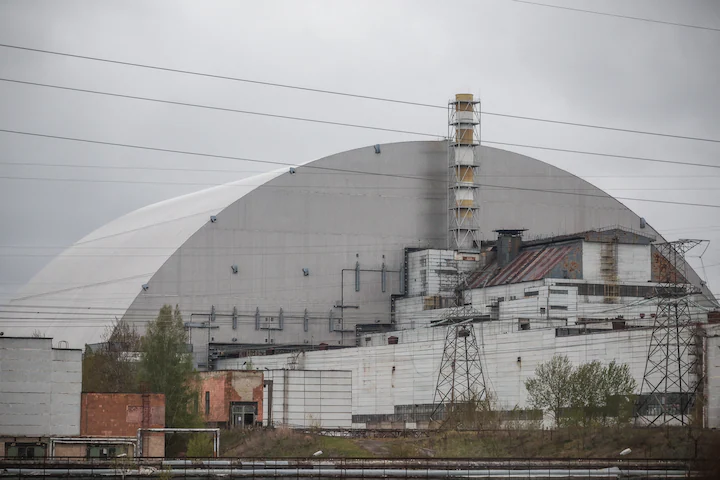
The funding, announced on Thursday, October 15, 2026, is intended to restore essential functions of the structure designed to contain radioactive material associated with the plant's destroyed reactor. The work will focus on its confinement and ventilation systems, which are important for maintaining the shelter's protective capabilities.
The British contribution forms part of a wider international effort coordinated by the European Bank for Reconstruction and Development, working with the Ukrainian government and other Group of Seven donors.
The announcement comes as Russia's war against Ukraine continues to threaten the country's infrastructure, including facilities associated with energy production and nuclear safety.
PROTECTIVE SHELTER REQUIRES URGENT REPAIRS
The damaged structure is known as the New Safe Confinement. It covers the remains of the destroyed fourth reactor at the Chornobyl nuclear power plant, the site of the world's worst nuclear accident in 1986.
The shelter was constructed to contain radioactive material and provide a protective barrier around the damaged reactor. Maintaining its structural integrity is essential to its long-term safety function.
A Russian drone strike last year damaged the protective shelter, creating a need for repairs to restore its intended performance.
The new British funding will support work on the structure's confinement and ventilation functions. These systems form part of the wider safety arrangements intended to control conditions within the protective enclosure.
The UK government has warned that leaving the damage unaddressed could allow corrosion to undermine previous international investment and create longer-term environmental and safety risks.
The funding is therefore intended to help preserve the shelter's protective function rather than rebuild the nuclear power plant itself.
INTERNATIONAL PARTNERS COORDINATE REPAIR EFFORT
Britain's contribution will be delivered through an international programme coordinated by the European Bank for Reconstruction and Development, alongside Ukraine and G7 donor countries.
The arrangement brings together international financial support and cooperation with Ukrainian authorities to address the damage to the nuclear facility.
The United Kingdom has previously contributed to nuclear safety initiatives connected to Chornobyl. The British government said it had donated €8 million to the International Chornobyl Cooperation Account, making it the third-largest individual donor after Norway and France.
The latest £17 million contribution adds to that support and is directed towards repairs following the drone damage.
International cooperation is particularly important at a site where the consequences of a major nuclear accident continue to require long-term management. The condition of the protective shelter remains an important consideration for Ukraine and the countries supporting its nuclear safety efforts.
CHORNOBYL REMAINS A MAJOR NUCLEAR SAFETY CONCERN
The Chornobyl disaster occurred in April 1986 when reactor four at the Soviet-era nuclear power station exploded during a safety test, releasing radioactive material into the environment.
The accident led to evacuations, long-term contamination concerns and extensive international efforts to contain the destroyed reactor.
A protective structure was subsequently built around the remains of the reactor, followed decades later by the New Safe Confinement, designed to provide a more durable enclosure and support future work at the site.
The latest damage has renewed attention on the vulnerability of critical nuclear infrastructure during armed conflict.
Although the plant is no longer operating as a normal electricity-generating facility, the damaged reactor and its containment structures require continued monitoring and maintenance.
Repairing the shelter is therefore important to preserving the safeguards established after the 1986 disaster.
The British funding announcement does not mean that all repairs have been completed or that every safety concern has been resolved. It represents a financial commitment towards the work required to restore the structure's intended functions.
BRITAIN LINKS NUCLEAR SAFETY SUPPORT TO WIDER UKRAINE ASSISTANCE
The announcement forms part of Britain's broader support for Ukraine as the war continues.
The UK government said it had provided almost £25 billion in total support to Ukraine, including more than £770 million in energy funding.
The government also announced £54 million in winter support the previous week, including £20 million intended to help maintain electricity supplies and keep Ukrainian homes warm.
British officials have presented the latest Chornobyl contribution as part of efforts to support Ukraine's recovery and address the lasting effects of attacks on its infrastructure.
The funding also reflects the continuing role of international partners in helping Ukraine maintain essential services and manage risks associated with damaged facilities.
However, the Chornobyl allocation has a specific purpose: supporting repairs to the protective shelter and helping maintain its intended lifespan. It should not be confused with the separate funding announced for household energy support or other reconstruction projects.
REPAIRS AIM TO PRESERVE LONG-TERM PROTECTION
The next stage will involve carrying out the necessary work to restore the shelter's confinement and ventilation functions.
The repairs are intended to protect the structure's long-term performance and reduce the risks associated with leaving the damage unresolved.
The UK contribution will be implemented through the international programme involving Ukraine and other donors, with the European Bank for Reconstruction and Development coordinating the effort.
The announcement establishes the amount Britain intends to provide and the purpose of the funding. It does not specify a completed repair date, and the work should not be described as finished until the responsible authorities confirm that it has been carried out.
For Ukraine and its international partners, maintaining the protective structure at Chornobyl remains an important part of managing the long-term consequences of the 1986 nuclear disaster while addressing the additional damage caused by the ongoing war.