News
Trump Announces Deal Giving US Access to Venezuela’s Vast Oil Reserves
U.S. President Donald Trump has announced a major oil agreement with Venezuela that would give the United States a significant role in developing and...
By Wavers Multimedia
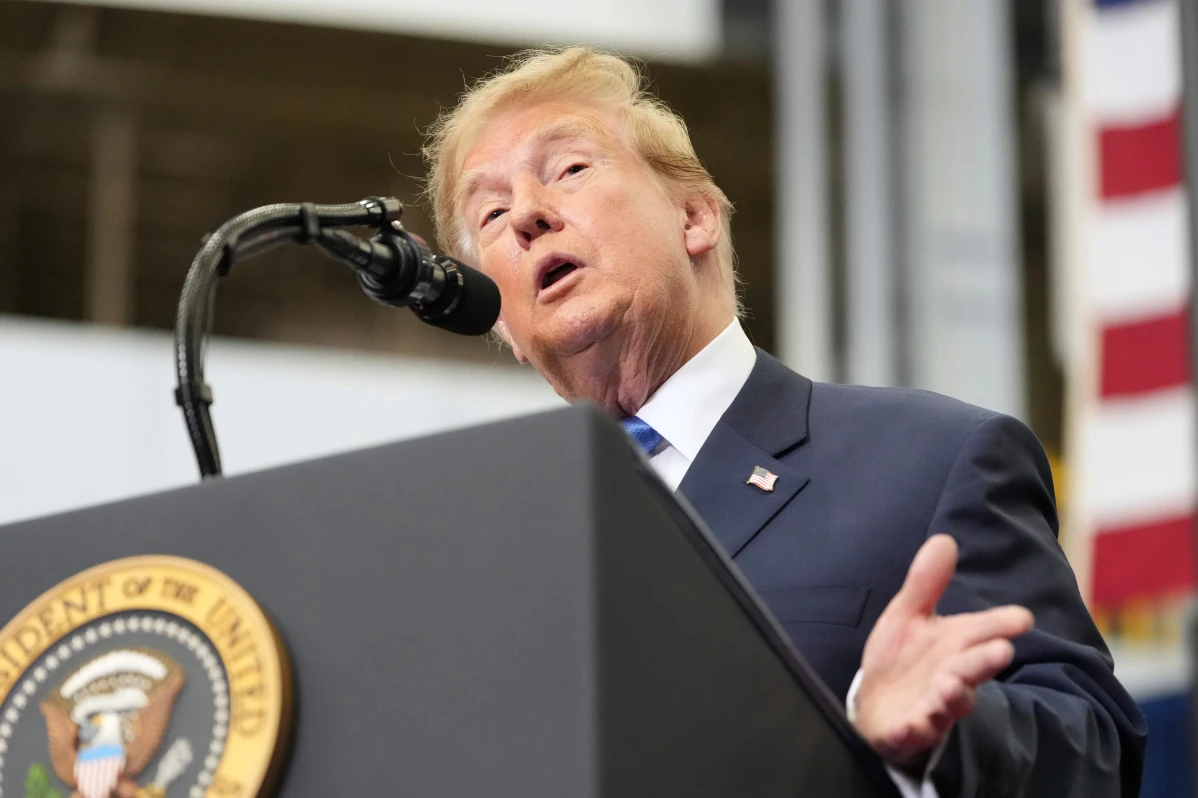
Trump described the arrangement as the “biggest oil deal in world history”, while Venezuela's acting President Delcy Rodríguez said the agreement is intended to help modernise the country's struggling oil industry and attract large-scale investment.
The deal involves 17 oil fields containing about 65 billion barrels of proven reserves. It is expected to bring as much as $100 billion in investment into Venezuela's petroleum sector and could generate about $209 billion in tax revenue for the Venezuelan government.
How would the deal work?
The arrangement involves the creation of a new private venture that would be jointly owned by the U.S. government and an unnamed operator.
Under the proposed structure, the United States would have a 55% effective share of the venture's oil output and would have the right to purchase the oil at cost.
Some of the crude acquired by the United States would be used to replenish its strategic petroleum reserves and support military needs.
The agreement was negotiated by Secretary of State Marco Rubio and Defense Secretary Pete Hegseth with Rodríguez.
However, important parts of the arrangement remain unclear. The full agreement has not been publicly released, and the identity of the private company that would participate in the venture has not been disclosed.
Why Venezuela's oil is important
Venezuela has some of the world's largest proven oil reserves, but years of political instability, economic crisis, sanctions and underinvestment have left much of its petroleum infrastructure in poor condition.
That means gaining access to the reserves does not automatically translate into a rapid increase in oil production.
Large amounts of money and years of work could be required to repair wells, pipelines, refineries and other infrastructure before Venezuela can significantly expand its output.
As a result, the agreement is unlikely to immediately reduce gasoline prices in the United States.
What does Venezuela gain?
For Caracas, the proposed arrangement could provide a major source of investment and revenue at a time when the country's oil industry needs substantial capital.
The Venezuelan government says the deal could help rebuild production and modernise facilities that have deteriorated over many years.
But the agreement is also controversial inside Venezuela. Critics have questioned whether the arrangement gives the United States too much influence over the country's most valuable natural resource and whether the Venezuelan government has the authority to make such a long-term commitment.
Questions remain over implementation
Despite the announcement, several major questions remain unanswered.
It is not yet clear exactly how the proposed investment will be financed, which American oil companies will participate, or how responsibilities for rebuilding Venezuela's damaged infrastructure will be divided.
American energy companies have also remained cautious about returning to Venezuela because of the country's history of political instability and previous disputes involving foreign oil companies.
The deal therefore represents a significant change in the relationship between Washington and Caracas, but its ultimate impact will depend largely on how the agreement is implemented.
For now, the announcement gives the United States a potentially powerful position in Venezuela's vast oil sector while offering Caracas the prospect of billions of dollars in investment and future revenue. But turning those reserves into substantially higher production could take years.