News
TINUBU SETS 2030 TARGET TO LIFT MANUFACTURING CONTRIBUTION TO 20–25% OF GDP
President Bola Ahmed Tinubu has set a target of increasing the manufacturing sector’s contribution to Nigeria’s real Gross Domestic Product to between...
By Wavers News
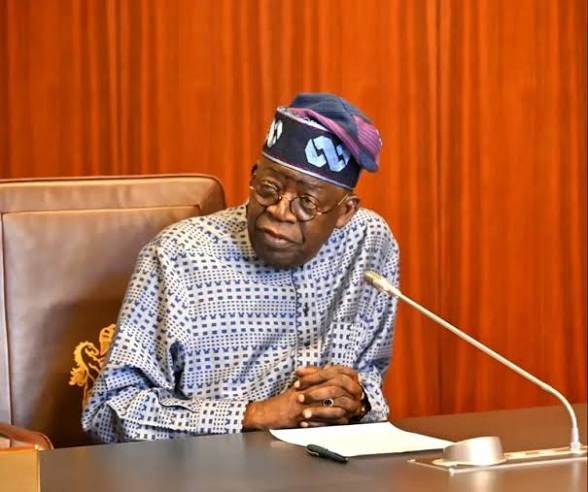
Bola Ahmed Tinubu sets 2030 target to boost Nigeria’s manufacturing sector
The target was presented on the President’s behalf by the Minister of State for Industry, Trade and Investment, John Owan Enoh, during the Manufacturers Association of Nigeria’s 54th annual general meeting in Lagos.
GOVERNMENT LINKS INDUSTRIAL GROWTH TO POWER AND FINANCING
Tinubu said achieving the target would require more than policy announcements, pointing to access to electricity, affordable credit, raw materials and markets as important conditions for manufacturers to expand.
He said the government’s industrial policy envisages directing up to five per cent of GDP towards industrial financing, while efforts would be coordinated through the Industrial Revolution Work Group.
The group brings together government representatives, private-sector organisations, financial institutions and development partners to monitor progress in the implementation of the industrial policy.
MANUFACTURING SHARE DECLINED IN 2026
The President noted that manufacturing’s contribution to real GDP fell from 9.57 per cent in the first quarter of 2026 to 7.72 per cent in the second quarter.
Despite the decline in its GDP contribution, manufacturing output recorded growth of 3.29 per cent in the first quarter and 3.24 per cent in the second quarter.
The government intends to measure progress through indicators including factories reopened, capacity utilisation, jobs created, exports and new factories established.
GOVERNMENT PLANS MORE INDUSTRIAL FINANCING
Tinubu said the Federal Government would work with the Bank of Industry, development finance institutions and commercial banks to provide longer-term and more affordable financing for productive businesses.
He also pledged continued attention to gas supply for industries and more reliable electricity for industrial clusters.
The government plans to use public procurement to support Nigerian-made products that meet required standards under its Nigeria First policy.
MANUFACTURERS RAISE CONCERNS OVER INVENTORY AND EXPORTS
The Manufacturers Association of Nigeria said manufacturers currently have unsold inventory worth just under ₦2 trillion, with some companies selling products below production cost in an effort to keep their factories operating.
MAN President Francis Meshioye also said manufactured products accounted for only ₦2.5 trillion, representing 2.94 per cent of Nigeria’s total exports in 2025.
He called for faster implementation of the National Industrial Policy and proposed a Nigeria First Industrial Fund to provide long-term concessionary financing for manufacturers and support technological upgrades and local value addition.
The government is also looking towards the African Continental Free Trade Area as an opportunity to expand Nigerian manufacturing exports across the continent.