International
One Juror Could Block Verdict as Lindsay Clancy Trial Enters Seventh Day of Deliberations
The jury in the Lindsay Clancy murder trial is set to resume deliberations Friday for a seventh day, with the possibility of a mistrial growing after ...
By Wavers Multimedia
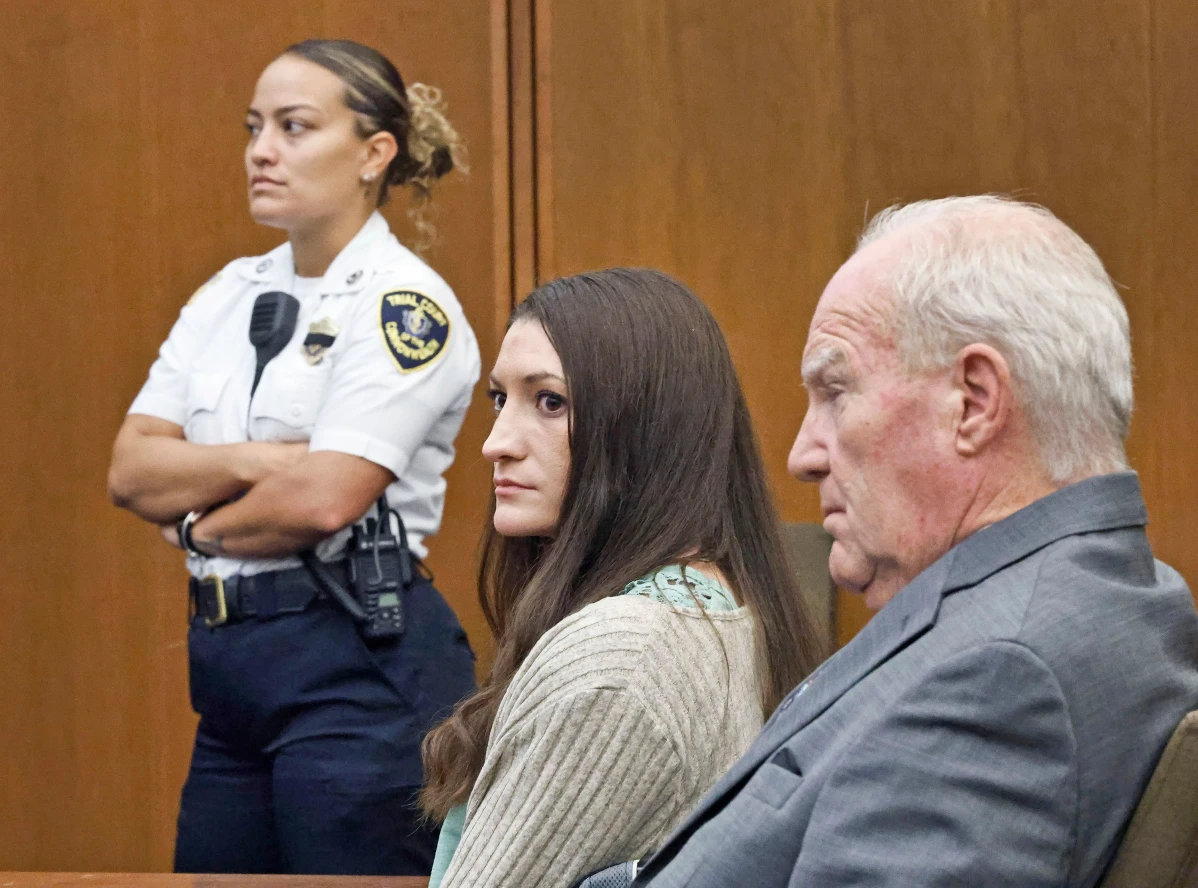
The development came Thursday when the jury’s foreperson sent a note to Judge William Sullivan indicating that one juror was refusing to follow the court’s instructions concerning reasonable doubt. The jury had already twice told the judge that it was unable to reach a verdict on whether Clancy was criminally responsible for the deaths of her three children.
After receiving the note, Sullivan questioned the jurors individually in private before reviewing his instructions on reasonable doubt and directing them to continue deliberating. Clancy’s defense attorney, Kevin Reddington, asked the judge to remove the juror, arguing that the person was preventing the panel from reaching a decision.
Sullivan rejected the request, saying he did not want to take sides in the jury’s deliberations. He noted that the jurors had previously affirmed that they were capable of following his instructions.
Clancy, 36, is a former labor and delivery nurse who does not dispute that she strangled her three children in the basement of the family’s Massachusetts home in 2023 before attempting to take her own life.
Her defense maintains that she was suffering from postpartum psychosis and was not criminally responsible for her actions. Prosecutors, however, argue that she understood what she was doing and deliberately killed her children. The victims were Cora, 5, Dawson, 3, and Callan, who was 8 months old.
The prolonged deliberations have put the closely watched case at a critical point. If the jury remains unable to reach a unanimous decision, Sullivan could declare a mistrial. Prosecutors would then have to determine whether to seek a new trial, drop the charges or pursue another resolution with Clancy’s defense team.
If jurors ultimately find Clancy criminally responsible, she could be convicted of murder or manslaughter. If she is acquitted on the grounds that she was not criminally responsible because of mental illness, a judge could still order her confined to a mental health facility if an evaluation finds that she poses a danger to the public.
The case has attracted widespread attention and sparked a broader debate over postpartum mental health, psychiatric treatment and criminal responsibility following childbirth. The jury’s return Friday could determine whether the trial finally produces a verdict or moves closer to ending without one.