International
NORWAY CONSIDERS EASING ETHICAL RULES FOR $2.3 TRILLION WEALTH FUND
OSLO — Norway is considering a major change to the ethical investment rules governing its $2.3 trillion sovereign wealth fund, following recommendatio...
By Wavers News
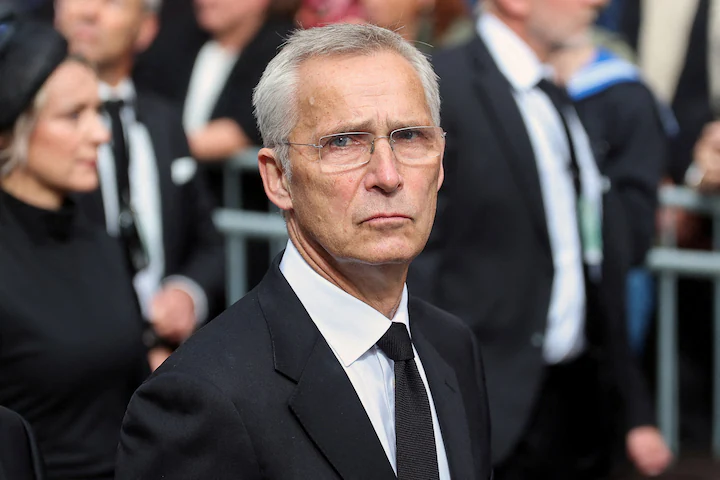
Norwegian Finance Minister Jens Stoltenberg pictured in Oslo on September 9, 2026.
A government-appointed commission has proposed revising the rules governing the world's largest sovereign wealth fund, arguing that changing security conditions and Norway's reliance on NATO's nuclear deterrence should be taken into account when making investment decisions.
The recommendations could open the door to investments in companies such as Boeing, Lockheed Martin, Airbus and BAE Systems if the government adopts the proposed changes.
However, the proposals have sparked concerns among human rights advocates and other critics, who warn that relaxing the restrictions could weaken the fund's long-standing ethical standards.
DEFENCE COMPANIES COULD BECOME ELIGIBLE
Under the current rules, Norway's wealth fund excludes several companies involved in producing nuclear weapons or essential components used in their manufacture.
The commission has recommended an exemption for qualifying companies based in countries recognised as nuclear-weapon states under the Treaty on the Non-Proliferation of Nuclear Weapons and allied with Norway through NATO.
The proposal could make several American, British and French defence companies eligible for investment again.
The potential financial implications are significant. If the changes are approved, the fund could invest tens of billions of dollars in defence companies that are currently excluded under its ethical framework.
However, the recommendations do not automatically remove any existing restrictions. The Norwegian government and parliament must consider the proposals before the rules can change.
GOVERNMENT SEEKS TO BALANCE SECURITY AND RETURNS
Norwegian Finance Minister Jens Stoltenberg, a former NATO secretary-general, requested a review of the investment rules amid changes in the global security environment.
The review also reflects the challenge of distinguishing between civilian and military production, as some companies manufacture products and technologies used for both purposes.
The fund plays a significant role in Norway's public finances, helping finance government spending through transfers from its accumulated investments. Protecting its ability to generate long-term returns is therefore a major consideration for policymakers.
At the same time, the country must decide how to maintain ethical investment standards while accounting for its security relationships and changing international conditions.
PROPOSED CHANGES RAISE TRANSPARENCY CONCERNS
The commission has recommended changes to the role of the fund's independent Council on Ethics, which assesses companies against the fund's ethical standards.
Under the proposed framework, the council would continue evaluating potential ethical risks but would no longer directly recommend excluding companies from the portfolio. Greater decision-making responsibility would rest with the central bank, which manages the fund.
The commission has also proposed that some assessments should not automatically be published in full.
Supporters of reform argue that the fund needs a framework capable of responding to increasingly complex international business and security conditions.
Critics, however, warn that reducing transparency and changing the independence of ethical oversight could make it more difficult for the public to understand why companies are included in or excluded from the fund's investments.
HUMAN RIGHTS GROUPS OPPOSE RELAXING RESTRICTIONS
The proposals have drawn criticism from civil society organisations concerned about the humanitarian consequences of nuclear weapons and the wider implications of weakening investment safeguards.
The Norwegian Red Cross has warned that allowing the fund to invest in nuclear weapons producers could send the wrong signal internationally.
Human rights advocates have also raised concerns about proposals that could reduce transparency and make it harder to exclude companies associated with serious human rights risks.
Their central argument is that a company's location or its country's alliance with Norway should not, by itself, determine whether its activities meet the fund's ethical standards.
The debate therefore extends beyond financial performance to questions of accountability, international responsibility and the standards expected of one of the world's most influential institutional investors.
GOVERNMENT DECISION EXPECTED IN 2027
The commission's recommendations will inform the Norwegian government's next steps as it prepares its assessment of the fund's investment framework.
The proposals are expected to undergo public consultation before the government presents its position to parliament in spring 2027.
Until decisions are made, the recommendations remain proposals rather than changes to the fund's existing rules.
The outcome could influence how Norway approaches responsible investment and how other major investors assess the relationship between financial returns, national security and ethical obligations.
For now, the debate centres on whether Norway can adapt its investment framework to a changing geopolitical environment without undermining the transparency and safeguards that have helped define the fund's international reputation.