News
NIGERIA'S CORRECTIONAL CENTRES HOLD 80,812 INMATES AS OVER 51,000 AWAIT TRIAL
Nigeria's correctional system is facing renewed scrutiny after figures showed that 80,812 people were being held in correctional facilities across the...
By Patience
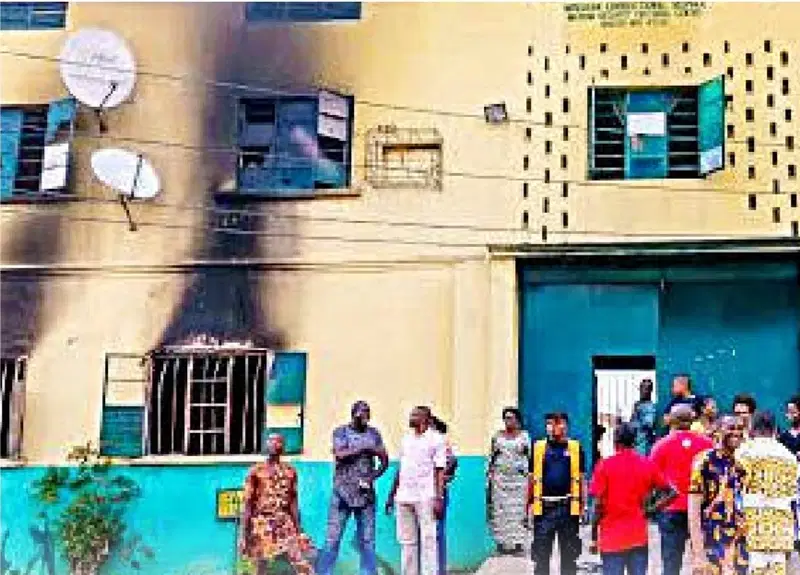
Nigeria's correctional centres hold 80,812 inmates, with 51,955 awaiting trial.
The figures highlight the continuing pressure on the country's detention facilities and criminal justice system, where delays in investigations, court proceedings and access to legal representation have contributed to prolonged pre-trial detention.
Of the total inmate population, 24,913 people had been convicted, while another 3,850 fell into other detention categories.
The figures mean that approximately 64 per cent of the people in custody were awaiting trial, raising concerns about overcrowding and the treatment of people who have not been found guilty of an offence.
DELAYS IN THE JUSTICE SYSTEM
The high number of awaiting-trial inmates reflects persistent challenges in the administration of criminal justice.
Delays can arise from investigations that take too long, late legal advice, repeated court adjournments and insufficient access to lawyers for defendants who cannot afford private legal representation.
When cases remain unresolved for extended periods, suspects may spend months or years in detention before their cases are determined.
This creates a serious challenge for the principle that an accused person is presumed innocent until proven guilty.
The problem also places additional pressure on correctional facilities, which must accommodate people awaiting trial alongside those serving sentences.
In a judgment delivered on May 15, 2026, the ECOWAS Court of Justice addressed prolonged pre-trial detention and overcrowding in Nigerian correctional facilities, identifying violations of rights that include personal liberty, dignity, fair hearing and trial within a reasonable time.
AGEING FACILITIES AND OVERCROWDING
Infrastructure deficiencies have compounded the problem.
Some correctional centres were constructed decades ago and are struggling to meet present-day demands. Deteriorating buildings, inadequate ventilation, limited security equipment and insufficient operational vehicles create additional difficulties for correctional authorities.
Overcrowding can also make it harder to provide healthcare, education, vocational training and other rehabilitation services intended to prepare inmates for reintegration into society.
The challenges extend beyond accommodation. Correctional facilities require adequate staffing, security systems and resources to maintain safe and humane conditions for people in custody.
An investigative panel examining alleged corruption, abuse of power and human rights violations reportedly assessed 86 custodial facilities across 23 states and the Federal Capital Territory. Its findings highlighted infrastructure and security concerns in several locations.
CONCERNS OVER INMATE FEEDING
The welfare of inmates has also become a subject of concern, particularly regarding food provision and funding.
A government investigative panel identified problems relating to inmate feeding and recommended increasing the daily feeding allowance from ₦750 to ₦3,000.
However, correctional authorities have disputed allegations of systemic starvation and defended existing feeding arrangements.
Budget figures also illustrate the financial demands of maintaining the inmate population. The correctional service reported spending ₦27.28 billion on inmate feeding in its 2025 budget performance, while outstanding food-ration obligations stood at ₦10.75 billion.
For 2026, the service proposed ₦14.83 billion for feeding an estimated 91,100 inmates at a projected daily rate of ₦1,125 per person.
The difference between the estimated inmate population used in the budget and the reported population figure illustrates the scale of the planning and funding requirements facing the service.
REHABILITATION AND ALTERNATIVES TO IMPRISONMENT
Nigeria's correctional framework is intended to go beyond punishment by providing opportunities for education, vocational training, counselling and rehabilitation.
The law also provides for non-custodial measures such as probation, parole and community service where legally appropriate.
These alternatives could help reduce pressure on correctional centres by limiting imprisonment in cases where detention is not necessary for public safety.
However, the reported figures indicate that the use of non-custodial measures remains small compared with the number of people held in custody.
The correctional service has proposed additional funding to expand such programmes, but effective implementation would require adequate resources, oversight and coordination with the wider justice system.
WHAT NEEDS TO CHANGE?
Reducing overcrowding will require more than constructing additional facilities.
Faster investigations, improved access to legal representation, fewer unnecessary adjournments and more efficient court proceedings could help prevent people from remaining in detention for excessive periods while awaiting trial.
At the same time, investment in infrastructure, healthcare, security and rehabilitation is necessary to improve conditions for people lawfully held in custody.
Accountability is another important consideration. Allegations of corruption, abuse and improper handling of public funds require appropriate investigation and action where wrongdoing is established.
The latest figures place renewed attention on the challenge facing Nigeria's correctional system: ensuring that people awaiting trial receive timely access to justice while those in custody are treated humanely and correctional facilities have the resources to fulfil their responsibilities.