Business
IMF WARNS DECLINING AID LEAVES AFRICAN ECONOMIES VULNERABLE TO NEW SHOCKS
BANGKOK — African economies have shown resilience amid global energy disruptions linked to the war involving Iran, but declining development assistan...
By Wavers News
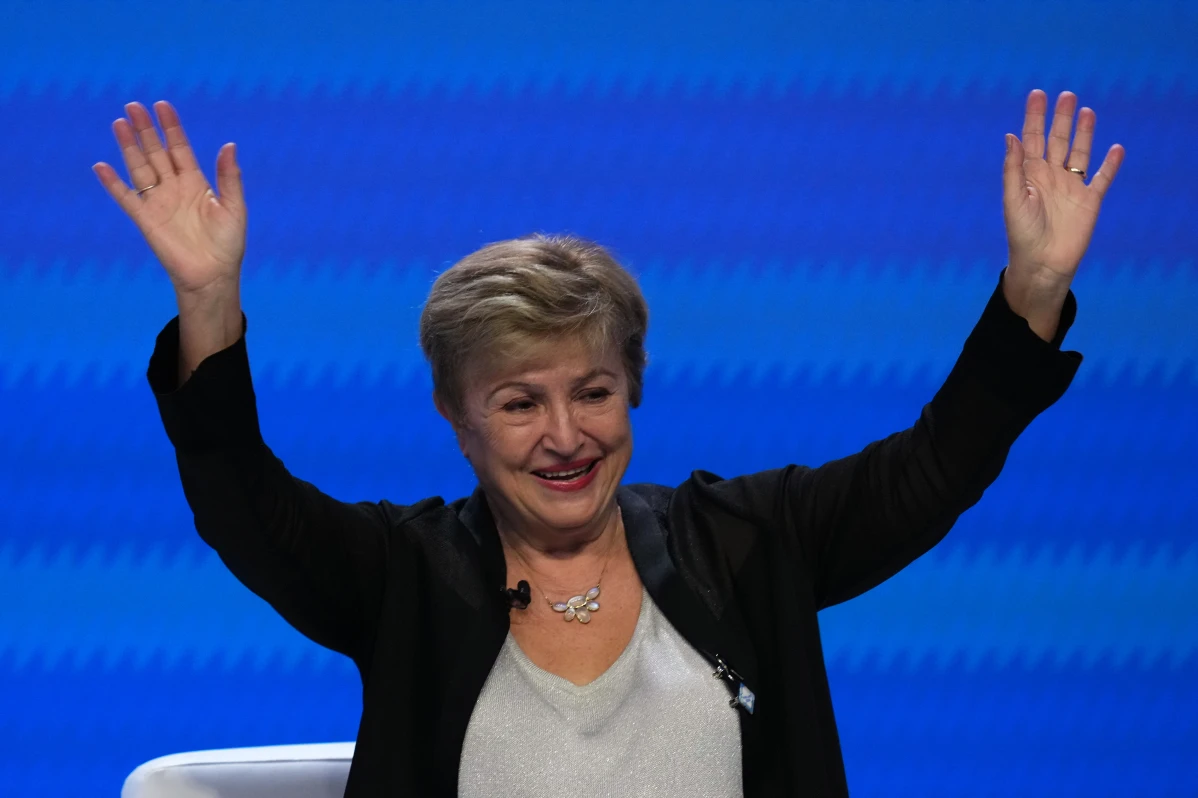
IMF Managing Director Kristalina Georgieva speaks during the annual meetings of the International Monetary Fund and World Bank Group in Bangkok, Thailand, on October 15, 2026.
The warning came from Zeine Zeidane, Director of the African Department at the International Monetary Fund (IMF), during the IMF and World Bank annual meetings in Bangkok, Thailand.
The IMF projects that economic growth across Africa will reach 4.5% in 2026, before rising to 5% in 2027. However, the outlook remains vulnerable as development assistance continues to decline, limiting the financial resources available to respond to future crises.
DECLINING AID RAISES CONCERNS
Development assistance to Africa fell sharply in 2025 and is projected to decline by a further 12% in 2026, Zeidane said.
The reduction could make it more difficult for governments to respond to fresh disruptions, particularly when public finances are already under pressure.
Zeidane warned that renewed interruptions to energy supplies, increased global financial uncertainty or a strong El Niño weather pattern could intensify economic pressures across the region.
Ongoing conflicts and insecurity also remain obstacles to economic progress, with the potential to worsen food insecurity in affected areas.
Although many African countries have introduced reforms to strengthen their economies, the IMF cautions that resilience does not mean countries are protected from further shocks. Conditions also vary considerably between nations, depending on their resources, economic policies and capacity to absorb external pressures.
COMMODITY PRICES OFFER DIFFERENT OPPORTUNITIES
Rising prices for commodities such as oil, copper and gold have provided some support to exporting countries. However, economies that depend less on natural resources may face slower growth and increasing external financial pressures.
The IMF has encouraged governments benefiting from higher commodity revenues to manage those gains carefully and use them to support longer-term economic stability.
For many African countries, the challenge is not only to extract natural resources but also to develop industries, create jobs and ensure that more of the economic value remains within their borders.
GUINEA LOOKS TO MINING INFRASTRUCTURE
Guinea is looking to its Simandou iron ore project as part of a broader effort to transform its economy.
Finance Minister Mariama Cire Sylla highlighted a railway project connecting the mining area to the coast, describing it as part of the country's long-term economic transformation plans.
Despite Guinea's considerable mineral wealth, poverty remains widespread. The government hopes that developing its iron ore resources and related infrastructure will help stimulate wider economic activity.
The broader challenge is ensuring that mining investments generate opportunities beyond the extraction sector, including employment, infrastructure development and growth in other industries.
WEST AFRICAN COUNTRIES SEEK MORE VALUE FROM NATURAL RESOURCES
Across West Africa, governments are pursuing policies intended to increase the economic benefits they receive from strategic resources such as gold, copper and cobalt.
Burkina Faso Finance Minister Aboubakar Nacanabo emphasised the importance of building local value chains so that resource production can create more opportunities for young people.
Burkina Faso has opened a gold refinery as part of efforts to increase domestic processing. Other countries in the region have also taken steps to strengthen their control over mineral resources through changes to mining regulations, restrictions on some raw-material exports and greater government participation.
The underlying objective is to move beyond exporting unprocessed commodities and develop more domestic economic activity around the resources being extracted.
ARTIFICIAL INTELLIGENCE COULD SUPPORT FUTURE GROWTH
The IMF also sees opportunities for African economies to benefit from artificial intelligence (AI), particularly if governments and businesses can adapt the technology to local needs.
According to Zeidane, the adoption, adaptation and expansion of AI could increase economic growth by more than 4% over the next decade, although the actual impact will depend on how effectively the technology is implemented.
Potential areas of application include agriculture, education, healthcare and public services. In agriculture, for example, better use of technology could help address productivity challenges, while digital tools could improve the delivery of some public services.
Realising these opportunities will require investment in reliable electricity, digital connectivity, skills and an environment that supports businesses and innovation.
OUTLOOK REMAINS UNCERTAIN
Africa's economic outlook combines encouraging signs of resilience with significant risks. Reforms and adaptation have helped many countries withstand external pressures, but falling development assistance, insecurity and possible energy or climate shocks remain serious concerns.
The IMF's message is that governments must protect vulnerable communities while preserving financial stability and investing in the foundations of long-term growth.
The continent's ability to withstand future disruptions will depend not only on its natural resources, but also on how effectively governments manage public finances, support productive industries and turn economic opportunities into broader prosperity.