International
EU AND GULF STATES POSTPONE SAUDI ARABIA SUMMIT AMID SECURITY CONCERNS
A planned summit between the European Union and Gulf states has been postponed as security concerns intensify across the Middle East, disrupting prepa...
By Patience
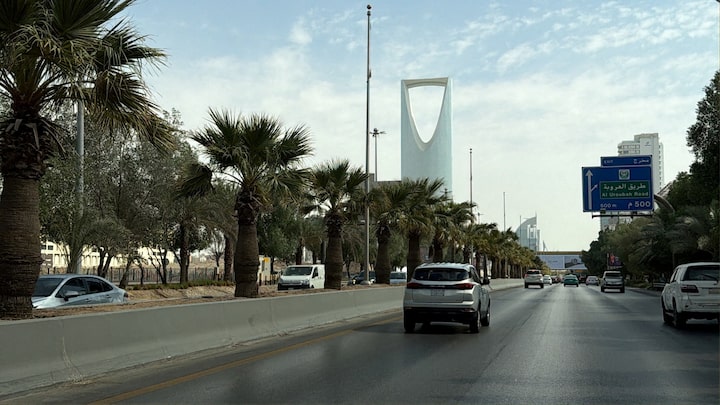
General view of Riyadh, Saudi Arabia, October 12, 2026
The summit had been scheduled for October 24 in Riyadh, the Saudi capital. The Gulf Cooperation Council announced the postponement, citing continued threats against Saudi Arabia by Yemen's Houthi movement and the extended suspension of operations at King Khalid International Airport.
The decision represents another setback for Saudi Arabia's efforts to host major international events while the regional conflict continues to threaten transport links and diplomatic engagements.
The European Union confirmed the postponement but did not provide a specific reason for the delay. It said a new date would be announced in due course.
SECURITY CONCERNS DISRUPT SUMMIT PREPARATIONS
The summit was expected to bring together representatives of the European Union and Gulf states for discussions on their relationship and areas of mutual interest.
However, continuing security threats have complicated arrangements for the meeting, particularly the movement of international delegates into Saudi Arabia.
The Gulf Cooperation Council cited threats from the Houthis and the prolonged suspension of airport operations in announcing the postponement.
King Khalid International Airport is an important entry point for Riyadh, making its continued closure a significant logistical concern for an event expected to attract international representatives.
The postponement shows how security developments can affect diplomatic activities even when the events themselves are not directly connected to military operations.
Organisers will need to consider the security situation and practical arrangements before a new date can be confirmed.
DEADLY ATTACKS RAISE REGIONAL SECURITY CONCERNS
The postponement follows deadly attacks on Riyadh's international airport over the preceding weekend.
The attacks killed 13 people and wounded hundreds, according to the report. The Houthis claimed responsibility for the strike.
The airport remained closed following the attack, adding to concerns about the safety and movement of people travelling to the Saudi capital.
The incident has intensified questions about the security environment surrounding Saudi Arabia and the wider Gulf region as the conflict involving the Houthis continues.
The consequences extend beyond the immediate damage caused by attacks. Disruptions to airports and other transport infrastructure can affect business travel, international meetings and efforts by governments to maintain diplomatic engagement.
For Saudi Arabia, the postponement comes as it seeks to host global events despite the deteriorating security situation.
EU REAFFIRMS IMPORTANCE OF GULF RELATIONS
Despite the postponement, the European Union stressed that its relationship with Gulf countries remained strategically important.
The bloc said it continued to attach great strategic importance to its ties with the region and remained committed to deepening the partnership.
The statement indicates that the delay should not be interpreted as an announcement that cooperation between the two sides has been abandoned.
The EU and Gulf states have interests in maintaining diplomatic engagement on regional stability, economic cooperation and broader international affairs. A new summit date would provide another opportunity for officials to pursue those discussions when circumstances permit.
However, the timing of the rescheduled meeting remains uncertain. The EU said a new date would be announced later, without providing a specific timetable.
Until then, the security situation and the availability of suitable arrangements for international travel will remain important considerations for organisers.
WHAT THE POSTPONEMENT MEANS FOR REGIONAL DIPLOMACY
The decision highlights the wider diplomatic consequences of instability in the Middle East.
International summits depend on secure transport, reliable logistics and the ability of participating officials to travel safely. When those conditions cannot be assured, governments may have little choice but to postpone meetings.
The latest development also demonstrates the challenges facing countries seeking to host major international events while security threats remain active.
Although the summit has been delayed, the European Union has reaffirmed its commitment to maintaining and strengthening relations with Gulf states.
The next step will be for the organisers to determine when the meeting can safely take place. No replacement date had been announced at the time of the October 15 report.
For now, the postponement reflects the continuing effect of the regional security crisis on diplomatic activities and international engagement.