World News
CHINA AND NORTH KOREA OPEN LONG-DELAYED BRIDGE TO BOOST CROSS-BORDER TRADE
China and North Korea have officially opened a major road bridge connecting the two countries, ending a 12-year delay and creating a new route expecte...
By Patience
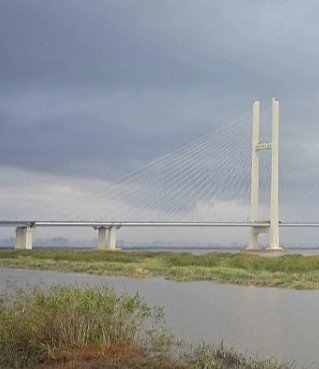
The New Yalu River Bridge connecting Dandong in China with Sinuiju in North Korea, officially opened on October 15, 2026, after a 12-year delay.
The New Yalu River Bridge was opened on Thursday, October 15, 2026, linking the Chinese border city of Dandong with Sinuiju in North Korea. The four-lane crossing stretches approximately 3,026 metres and is expected to improve the movement of goods between the neighbouring countries.
The opening marks a significant development in economic relations between Beijing and Pyongyang, particularly as both countries seek to facilitate trade and improve transport connections across their shared border.
A BRIDGE THAT WAITED 12 YEARS TO OPEN
Although construction of the bridge was completed in 2014, it remained unused for 12 years because connecting roads and customs facilities on the North Korean side were not ready.
The long-awaited opening finally allows vehicles to use the crossing, removing a major obstacle that had prevented the infrastructure project from becoming operational.
Hundreds of people gathered in Dandong to witness the occasion as trucks began travelling across the bridge in both directions. Some of the vehicles were decorated with Chinese and North Korean flags and flowers.
The new crossing is expected to provide an additional route for transporting goods between the two countries and reduce pressure on existing border infrastructure.
TRADE AND ECONOMIC COOPERATION
China remains North Korea's largest trading partner and a key economic ally. The opening of the bridge could further strengthen that relationship by making the movement of commercial goods more convenient.
The new route is expected to support shipments of heavy machinery, construction materials and other goods. North Korea expert Lim Eul-chul of Kyungnam University estimated that the crossing could eventually increase cargo traffic between the countries by three to four times.
However, the actual impact will depend on how extensively the bridge is used and how trade develops in the coming months.
The crossing is also expected to offer an alternative to the older Sino-Korean Friendship Bridge, which has carried much of the road traffic between the two countries since 1943.
For businesses and residents in the Chinese border city of Dandong, the new infrastructure could create opportunities for increased commercial activity and economic growth.
TOURISM AND BORDER RELATIONS
Despite the opening, some restrictions affecting travel between the two countries remain in place.
North Korea has yet to resume issuing tourist visas to Chinese visitors, meaning the new bridge does not automatically signal a full return to normal cross-border travel.
Its immediate significance lies primarily in freight transportation and trade rather than tourism.
The project nevertheless represents an important step in improving physical connections between China and North Korea after years of delays and border restrictions.
Whether the bridge delivers the anticipated economic benefits will depend on trade volumes, border arrangements and the wider relationship between the two countries.