Economy
BANK OF ENGLAND UNDER PRESSURE TO SLOW BOND SALES AS UK BORROWING COSTS RISE
The Bank of England is facing growing pressure to slow the pace at which it sells government bonds as rising borrowing costs increase the financial p...
By Patience
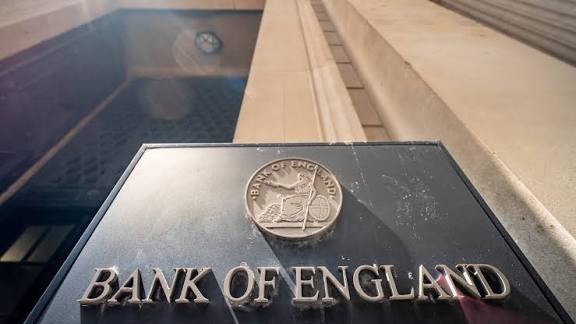
The central bank has been reducing its holdings of government bonds through a process known as quantitative tightening (QT), reversing part of the large-scale bond-buying programme used during previous periods of economic stress.
However, with UK government bond yields rising sharply, economists and market participants are calling for a slower approach to bond sales.
UK BORROWING COSTS RISE
The yield on the UK's 10-year government bond has climbed to around 5.4%, its highest level since 2007, according to current market reports.
Longer-term borrowing costs have also increased, with 20- and 30-year gilt yields coming under significant pressure.
Higher gilt yields can make it more expensive for the UK government to borrow money when it issues new debt. They can also increase the cost of servicing existing debt as government bonds mature and are refinanced.
The recent rise has been linked to wider global bond-market pressures, inflation concerns and higher energy prices, alongside continuing concerns about government finances.
BANK OF ENGLAND EXPECTED TO SLOW BOND SALES
The Bank of England is expected to announce a slower pace of quantitative tightening at its monetary policy meeting this week.
The Bank's current programme is aimed at reducing its government bond holdings by £70 billion over the 12 months to September 2026.
Market expectations point to the pace being reduced to about £50 billion over the following year.
The Bank is also expected to halt active sales of some longer-dated 20- and 30-year government bonds. However, these changes had not yet been formally confirmed by the Bank at the time of publication and are expected to be addressed with Thursday's policy announcement.
WHY THE BANK IS REDUCING ITS BOND HOLDINGS
The Bank accumulated a huge portfolio of government bonds through quantitative easing, a policy introduced to provide economic support during periods of weak growth and financial stress.
The Bank began reversing that process through quantitative tightening after deciding to reduce the size of its balance sheet.
Its gilt holdings have fallen substantially from the hundreds of billions of pounds accumulated during the quantitative-easing period. Current reporting puts the portfolio at below £490 billion, compared with around £875 billion at its peak.
The reduction has taken place through both bonds reaching maturity and active sales.
WHY ECONOMISTS WANT A SLOWER APPROACH
Critics of the current pace argue that continued active bond sales add to the supply of government debt that private investors must absorb.
That comes at a time when global bond markets are already experiencing significant volatility.
A slower pace of sales could reduce some pressure on the gilt market and potentially help limit the government's borrowing costs.
However, it would not automatically bring borrowing costs down because gilt yields are influenced by many factors, including inflation, interest-rate expectations, government borrowing requirements and conditions in international financial markets.
POTENTIAL COST TO THE UK GOVERNMENT
The Bank's bond-selling programme has also attracted criticism because of the financial losses associated with unwinding assets that were purchased when interest rates were much lower.
Current estimates cited in reporting suggest that losses connected to the Bank's bond portfolio could become very large if borrowing costs remain elevated.
The issue has therefore become increasingly important for the UK Treasury as it faces higher debt-servicing costs.
HEALEY FACES PRESSURE AHEAD OF THE BUDGET
The debate comes as UK Chancellor John Healey prepares for the government's upcoming budget.
Higher government borrowing costs could reduce the government's room for manoeuvre by increasing the amount of money required to service public debt.
Some economists and market participants have therefore urged the Treasury and Bank of England to work closely to reduce unnecessary pressure in the bond market.
However, the Bank of England remains operationally independent, meaning decisions over monetary policy and its balance sheet are made by the central bank.
WHAT HAPPENS NEXT
The Bank of England is expected to announce its latest interest-rate decision and provide details of its next quantitative-tightening programme on Thursday.
The expected reduction in bond sales would represent a slowing rather than an end to the Bank's broader effort to reduce its bond holdings.
Investors will be watching closely to see whether the Bank confirms a reduction from the current £70 billion annual pace and whether it stops active sales of some longer-term gilts.
The decision comes as the UK faces elevated borrowing costs and wider volatility across global government bond markets.